We're loading the full news article for you. This includes the article content, images, author information, and related articles.
With only 170 government veterinarians to oversee Africa's fourth-largest cattle herd, Kenya's multi-billion shilling livestock sector is on a knife-edge, locking farmers out of lucrative global markets and risking public health.
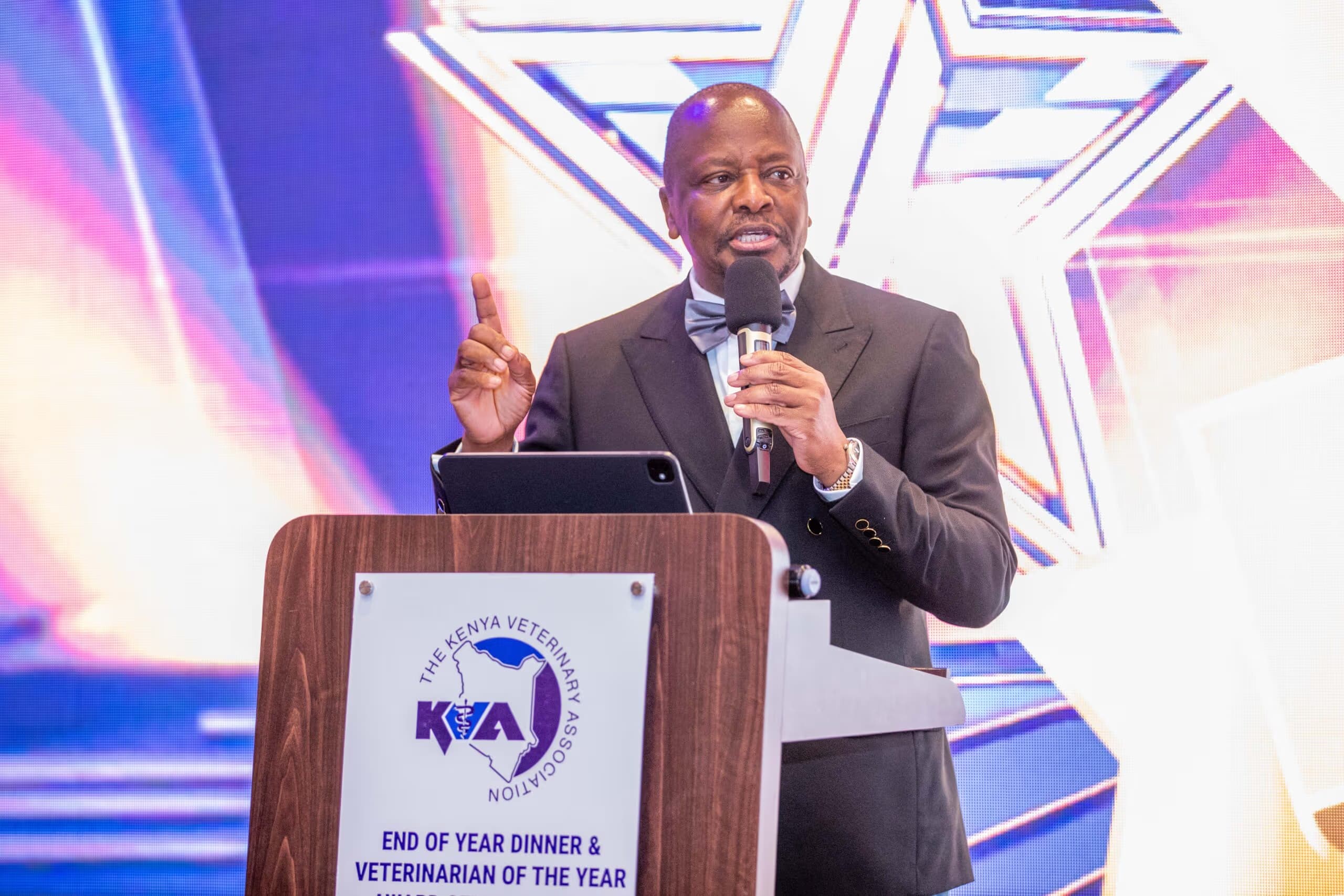
At a formal awards ceremony celebrating Kenya's top veterinarians, a stark warning cut through the evening's proceedings: a severe shortage of professionals is crippling the nation's livestock potential.
The critical gap in veterinary services is not merely an industry problem; it is a direct threat to Kenya's economic ambitions and the livelihoods of millions who depend on livestock. The country is repeatedly losing export opportunities due to preventable disease outbreaks, putting a chokehold on a sector vital for rural households and national revenue.
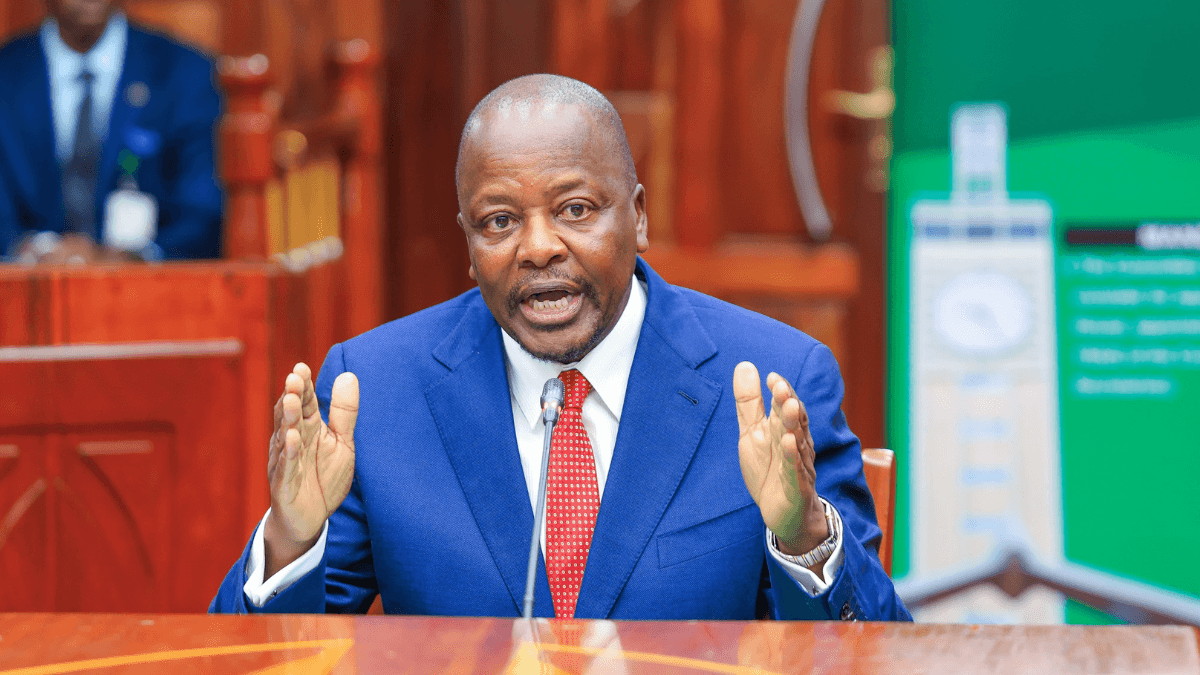
The numbers paint a grim picture. Agriculture Cabinet Secretary Mutahi Kagwe recently revealed that only 170 veterinarians are employed across national and county governments. This small number is tasked with safeguarding a cattle herd that is the fourth largest in Africa, creating a bottleneck that stifles growth.
This deficit has tangible consequences for the Kenyan farmer. Preventable diseases, most notably Foot-and-Mouth disease, act as a quarantine barrier, locking Kenyan beef and other animal products out of high-value international markets. “Vets are great pillars for the country's economy. They are great pillars for the country's public health system,” Kagwe emphasized, linking the health of an animal directly to the shillings in a farmer's pocket.
The impact is felt most acutely in Kenya's Arid and Semi-Arid Lands (ASALs), where livestock is often the sole measure of wealth. For these communities, the absence of veterinary care means a constant threat of devastation from disease, undermining their economic stability.
The shortage extends beyond the farm, posing a direct risk to public safety. The Kenya Veterinary Board (KVB) has issued stern warnings about the rampant sale of uninspected meat, including donkey and wildlife meat, in informal settlements. This unregulated trade raises significant food safety concerns, with one official warning that a single case of infected meat could have devastating consequences.
To compound the issue, the KVB is battling to uphold professional standards, warning employers against hiring unlicensed practitioners and cracking down on non-compliant agrovets. These regulatory challenges are symptoms of a strained system where demand for veterinary services far outstrips the supply of qualified and licensed professionals. The challenges facing the sector are further highlighted by grievances from practitioners' unions over poor remuneration and working conditions.
Looking forward, the government has stated its intention to treat veterinary services as an essential public good, not just a revenue stream. Scaling up this vital service is now seen as the key to unlocking the full economic potential of the livestock sector, safeguarding public health, and securing the futures of millions of Kenyans.
Keep the conversation in one place—threads here stay linked to the story and in the forums.
Sign in to start a discussion
Start a conversation about this story and keep it linked here.
Other hot threads
E-sports and Gaming Community in Kenya
Active 9 months ago
The Role of Technology in Modern Agriculture (AgriTech)
Active 9 months ago
Popular Recreational Activities Across Counties
Active 9 months ago
Investing in Youth Sports Development Programs
Active 9 months ago
Key figures and persons of interest featured in this article