We're loading the full news article for you. This includes the article content, images, author information, and related articles.
Ministry officials term small institutions 'economic drains' amid teacher shortages, but experts warn the move could force rural parents into expensive boarding options they cannot afford.
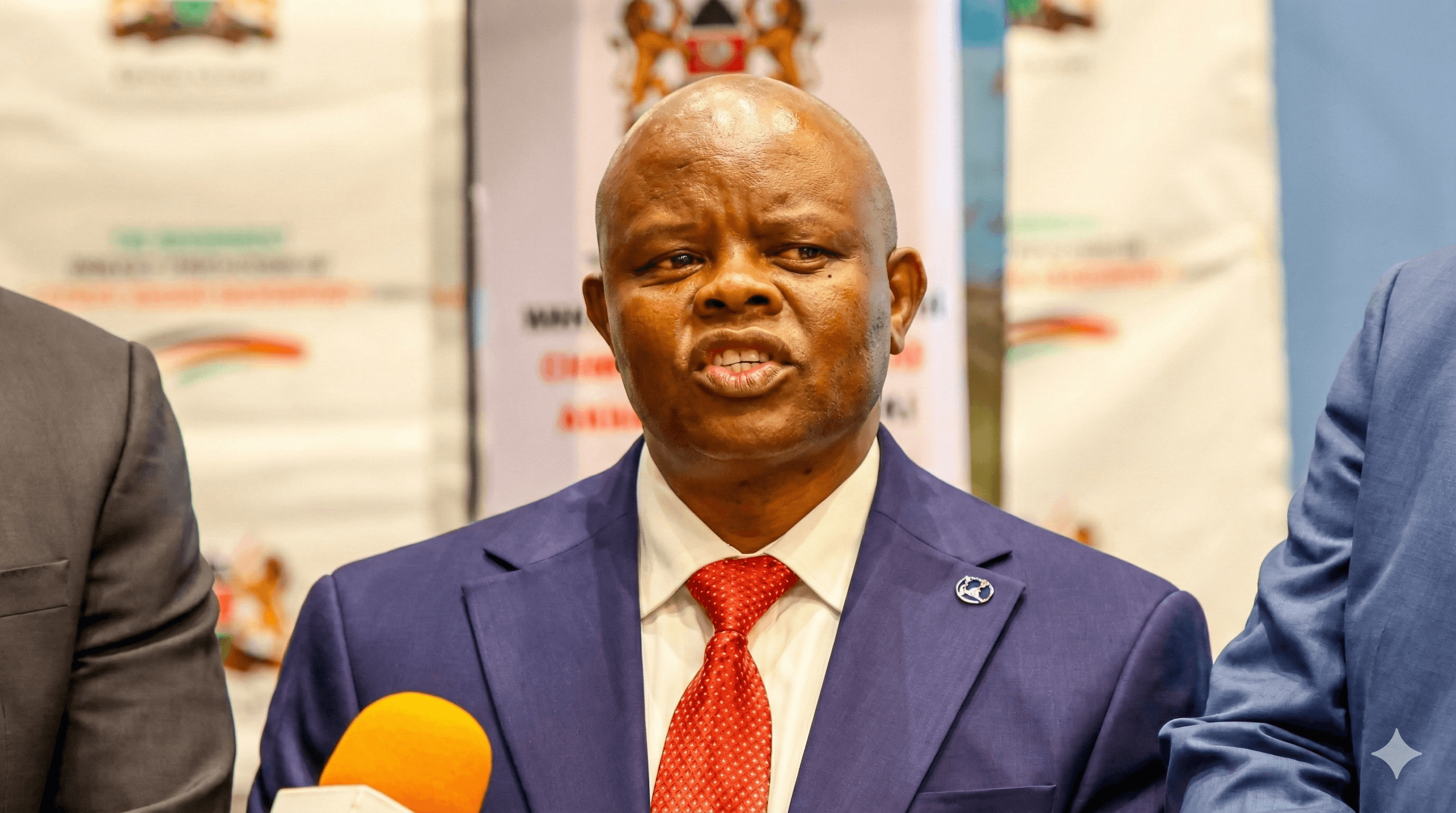
NAIROBI — The bell may have rung for the last time at nearly 3,000 Kenyan secondary schools.
In a move that threatens to redraw the country’s education map, the Ministry of Education has identified 2,700 public secondary schools—roughly 28 percent of the nation’s total—as candidates for closure or merger. The reason? They are deemed "economically unsustainable" due to critically low enrolment.
The revelation, which has sent shockwaves through school boards from Turkana to Kwale, exposes a deep fracture in Kenya’s education system: the collision between the high cost of the new Competency-Based Curriculum (CBC) and the reality of a cash-strapped exchequer.
Data from the Directorate of Secondary Education paints a stark picture. Out of 9,605 public secondary schools in Kenya, 2,700 are operating with fewer than 150 students each. According to Dr. William Sugut, the Head of the Directorate, these numbers simply do not add up.
"We have schools with fewer than 150 learners but requiring a full complement of teachers and infrastructure," Dr. Sugut noted during a stakeholder briefing. "The Ministry is now assessing the viability of these units. We must ask: are they serving the government's objectives effectively, or are they drains on public funds?"
The government’s logic is rooted in efficiency. In a small school with only 40 students per form, a teacher might handle only a fraction of the recommended workload, yet draw a full salary. With the Teachers Service Commission (TSC) grappling with a chronic shortage of over 100,000 tutors, the state argues it can no longer afford to scatter scarce staff across tiny, under-populated institutions.
The timing of this crackdown is no accident. As the country transitions fully to Senior School (Grades 10, 11, and 12) under the CBC, the resource demands have skyrocketed. Unlike the 8-4-4 system, Senior Schools require specialized laboratories for STEM pathways, workshops for technical subjects, and sports facilities.
"Any institution with fewer than 300 learners is economically unsustainable in the current landscape," warned Dr. John Mugo, CEO of Zizi Afrique Foundation. "We are running on empty."
While the math makes sense in a boardroom, it spells disaster for the Kenyan parent in marginalized areas. Many of these "unviable" schools were built by communities specifically to save their children from walking marathon distances.
Dr. Emmanuel Manyasa, Executive Director of Usawa Agenda, cautioned that closing these schools could effectively lock the poorest children out of education.
"In some areas, the nearest 'viable' school is 50 kilometers away," Dr. Manyasa emphasized. "If you close the local day school, you are forcing a seven-year-old or a fourteen-year-old to board. But can a parent in a drought-stricken county afford boarding fees that often exceed KES 50,000 annually? The answer is no."
The fear is that "efficiency" will come at the price of access, rolling back gains made in the 100 percent transition policy. If a student cannot walk to school, and their parents cannot pay for boarding, they simply drop out.
The Ministry has indicated that discussions on the fate of these schools will involve local stakeholders, but the direction of travel is clear. The state is looking to merge small schools with larger, better-equipped neighbors to optimize the use of teachers and equipment.
For the parent in Nairobi, this might mean little change. But for the family in a remote sub-county, the closure of a local school is not just an administrative statistic—it is a potential end to their child's academic future.
"We must balance the ledger books without bankrupting our moral obligation to the Kenyan child," Dr. Manyasa concluded. "Efficiency cannot be the enemy of equity."
Keep the conversation in one place—threads here stay linked to the story and in the forums.
Sign in to start a discussion
Start a conversation about this story and keep it linked here.
Other hot threads
E-sports and Gaming Community in Kenya
Active 9 months ago
The Role of Technology in Modern Agriculture (AgriTech)
Active 9 months ago
Popular Recreational Activities Across Counties
Active 9 months ago
Investing in Youth Sports Development Programs
Active 9 months ago



