We're loading the full news article for you. This includes the article content, images, author information, and related articles.
A startling new report reveals that formal employment has become a mirage for Kenyan youth, forcing millions into the precarious struggle of the informal economy.
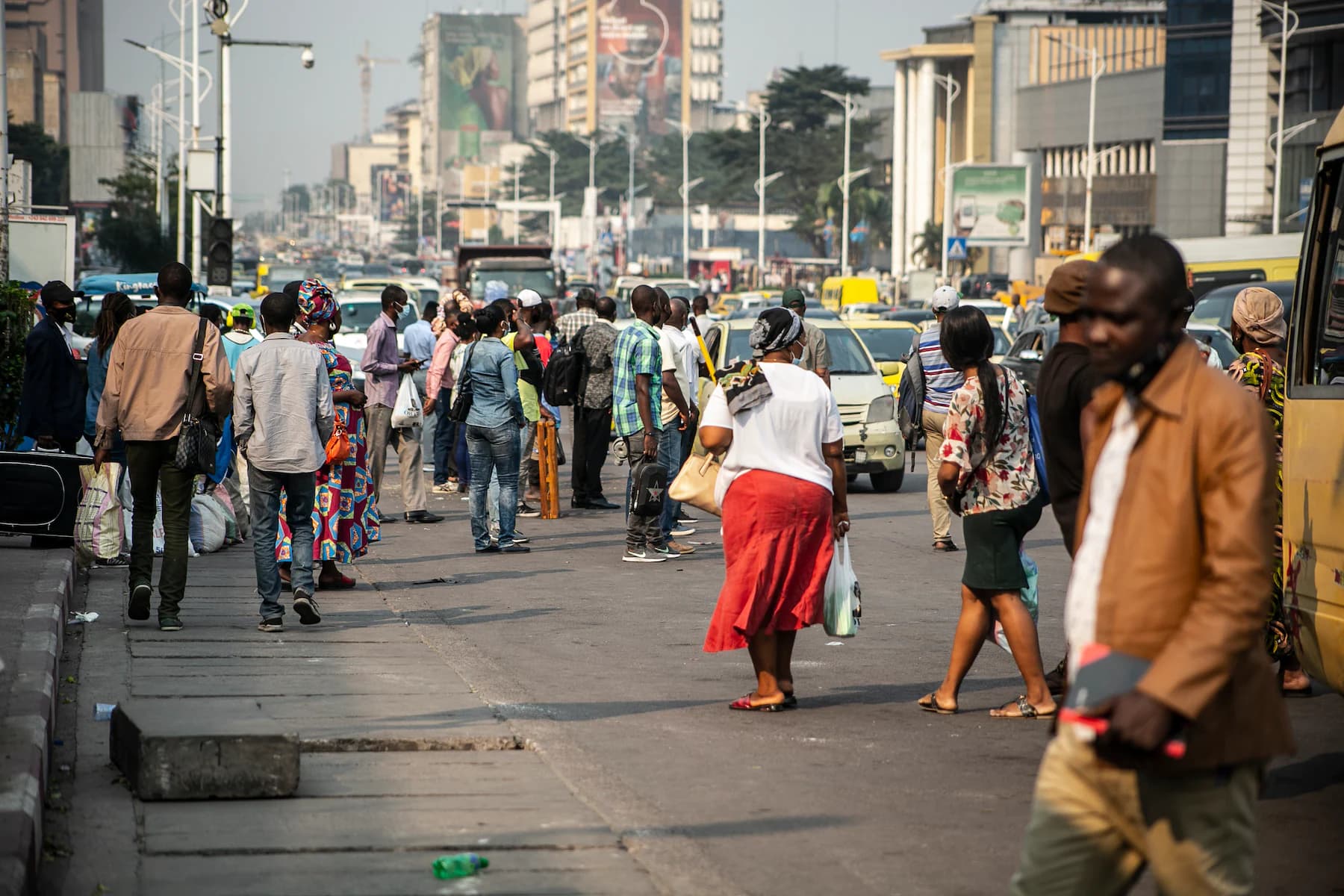
A startling new report reveals that formal employment has become a mirage for Kenyan youth, forcing millions into the precarious struggle of the informal economy.
The promise of white-collar stability has all but evaporated for Kenya’s young workforce, with a staggering 91.5% now absorbed into the unforgiving informal sector. Data from the Africa Youth Employment Outlook exposes a structural failure in the economy: despite high education levels, the formal market is shrinking. This "informalization" of labor is not a choice but a survival strategy, signaling a ticking time bomb for economic policy and social stability.
The report, a collaboration between the World Data Lab and the MasterCard Foundation, paints a grim picture. Since 2024, over 754,000 young Kenyans aged 15 to 35 have taken up informal roles. In contrast, the formal sector has barely moved the needle. The formality rate has dropped from 9.8% in 2023 to a dismal 8.5% today. This means that for every ten young Kenyans entering the workforce, nine are destined for the "Jua Kali" sector—unregulated, untaxed, and often unsafe.
"We are seeing a generation of educated hustlers," says economist Vincent Owino. "These are university graduates selling second-hand clothes or riding boda bodas because the corporate jobs simply do not exist." The disconnect between the skills acquired in universities and the needs of the market is widening, exacerbated by a slow manufacturing sector that has failed to industrialize at the pace required to absorb the youth bulge.
The implications of this shift are profound. An informal economy means a lower tax base for the government, perpetuating a cycle of debt and poor service delivery. For the youth, it means a lack of social security, health insurance, and pension savings. They are working hard, but they are one emergency away from destitution.
As the cost of living in Nairobi continues to skyrocket, the resilience of the Kenyan youth is being tested like never before. They are innovating, yes—creating digital content, starting agri-businesses, and trading crypto—but without the safety net of formal employment, this innovation is born of desperation, not opportunity.
"We don't want handouts, we want a system that works," said a youth leader in Githurai. Until the economy can bridge the gap between education and employment, the "informal" label will remain the defining badge of a generation.
Keep the conversation in one place—threads here stay linked to the story and in the forums.
Sign in to start a discussion
Start a conversation about this story and keep it linked here.
Other hot threads
E-sports and Gaming Community in Kenya
Active 9 months ago
The Role of Technology in Modern Agriculture (AgriTech)
Active 9 months ago
Popular Recreational Activities Across Counties
Active 9 months ago
Investing in Youth Sports Development Programs
Active 9 months ago