We're loading the full news article for you. This includes the article content, images, author information, and related articles.
The chair of the Constitutional Implementation Oversight Committee says Kenya’s independent commissions are being "suffocated" by illegal budget caps and executive overreach.
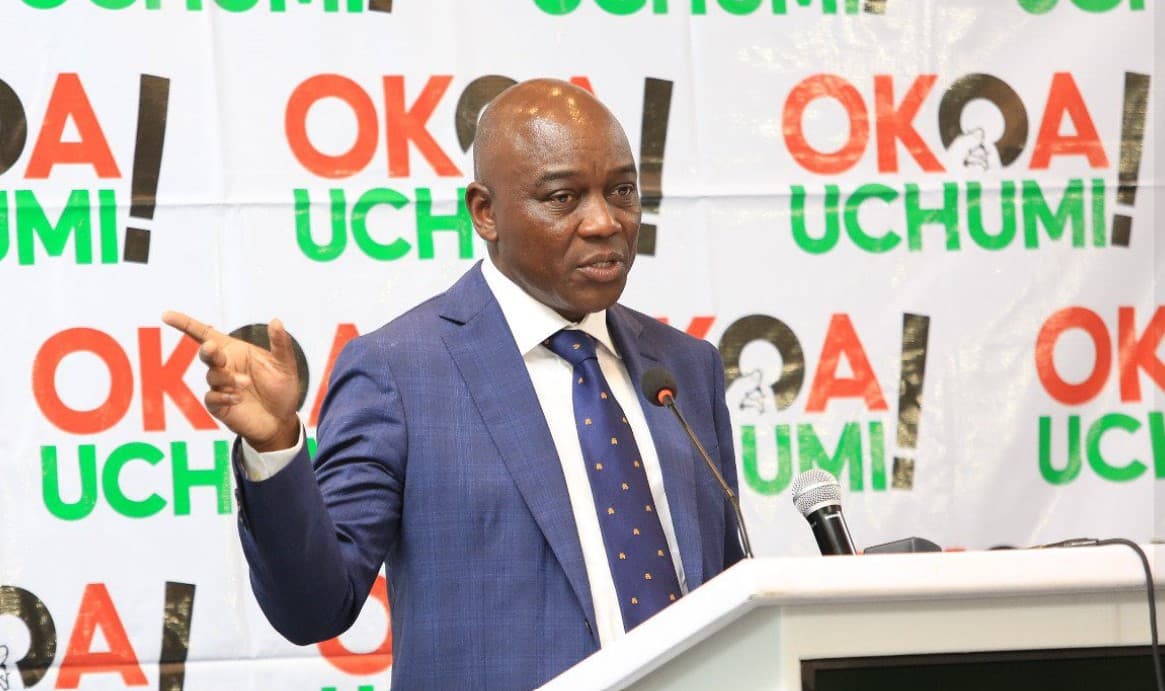
Kenya’s constitutional guardians are being systematically defanged, starved of funds, and leashed by political interests, according to a stark new warning from Parliament’s oversight leadership.
Suba South MP Caroli Omondi, who chairs the Constitutional Implementation Oversight Committee (CIOC), has raised a red flag over the deteriorating state of the country’s Chapter 15 institutions. For the average Kenyan, this signals a weakening of the very checks and balances—from the Auditor General to the Electoral Commission—designed to protect public coffers and civil liberties.
Speaking Monday in Nairobi during the launch of the Okoa Uchumi report, a public audit initiative led by The Institute of Social Accountability (TISA), Omondi painted a grim picture of watchdogs unable to bite.
The legislator argued that the independence of these ten commissions and two independent offices is becoming increasingly theoretical due to chronic underfunding. Despite Article 249(3) of the Constitution mandating Parliament to allocate adequate funds to these bodies, the reality on the ground is different.
Omondi criticised the Treasury’s practice of lumping independent commissions into "sector working groups." This bureaucratic maneuver effectively imposes budget ceilings, treating independent watchdogs like ordinary government ministries rather than autonomous oversight bodies.
“I stand to speak not as a Member of Parliament for Suba South, but as the chair of the CIOC,” Omondi emphasized, underscoring the gravity of the institutional failure.
According to the CIOC chair, the committee has identified four critical bottlenecks choking accountability in Kenya:
The implications of these failures are direct. When the Auditor General lacks funds to travel to the counties, misappropriation of devolved funds goes undetected. When the Ethics and Anti-Corruption Commission (EACC) is politically squeezed, the war on graft stalls.
“As a committee, we’ve noted about four issues that really affect the accountability institutions,” Omondi noted, warning that without urgent structural reforms, the country risks eroding the gains made since the promulgation of the 2010 Constitution.
Keep the conversation in one place—threads here stay linked to the story and in the forums.
Sign in to start a discussion
Start a conversation about this story and keep it linked here.
Other hot threads
E-sports and Gaming Community in Kenya
Active 9 months ago
The Role of Technology in Modern Agriculture (AgriTech)
Active 9 months ago
Popular Recreational Activities Across Counties
Active 9 months ago
Investing in Youth Sports Development Programs
Active 9 months ago
Key figures and persons of interest featured in this article