We're loading the full news article for you. This includes the article content, images, author information, and related articles.
The Musical Copyright Society of Nigeria confirms the historic receipt of ₦1.21 billion in copyright levies from the Federal Government, promising to channel funds directly to grassroots creators.
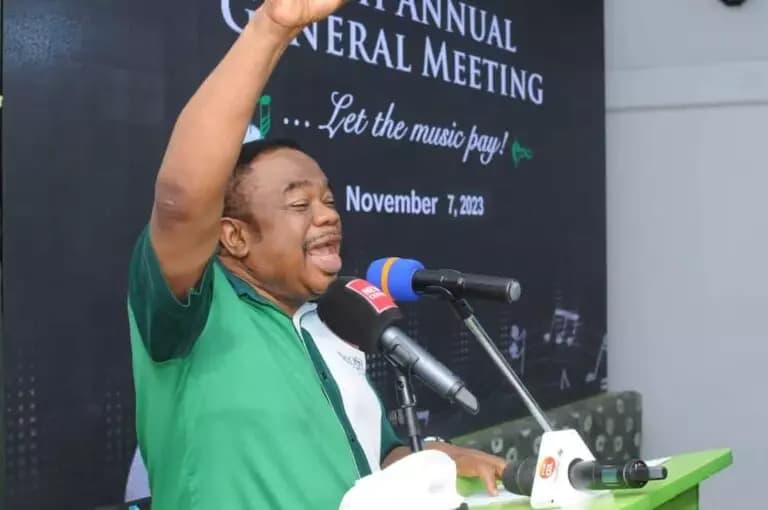
The long-awaited promise of financial restitution for Nigerian creators has finally materialized. In a landmark development for the creative industry, the Musical Copyright Society of Nigeria (MCSN) has confirmed the receipt of ₦1.21 billion from the Federal Government, marking the first tangible disbursement of the copyright levy mandated by the Copyright Act of 2022.
This massive injection of funds is not merely a transaction; it is a validation of decades of struggle by artists, producers, and rights holders who have seen their intellectual property exploited without compensation. The MCSN, the sole collective management organization sanctioned by the Nigerian Copyright Commission to handle these rights, hailed the release as a triumph of the "Renewed Hope" agenda, asserting that the government has finally moved from rhetoric to economic reality.
For years, the copyright levy was a dormant clause in the law books—a theoretical right that put no food on the table. The activation of this levy under Section 89 of the Copyright Act changes the game. The funds are earmarked specifically to support copyright administration and, crucially, to filter down to the grassroots level, providing a lifeline to musicians and creatives often struggling on the margins of the industry.
The disbursement signals a decisive shift in how Nigeria values its creative economy. By putting hard cash behind intellectual property laws, the Tinubu administration has signaled that the creative sector is a pillar of national economic strategy, not just entertainment. "This is not politics but economic reality," the MCSN statement read, emphasizing that the era of lip service to the arts is over.
As the funds begin to flow, the challenge now shifts to transparency and equitable distribution. But for today, the Nigerian creative community can celebrate a historic precedent: their work has value, and the state has finally paid up.
Keep the conversation in one place—threads here stay linked to the story and in the forums.
Sign in to start a discussion
Start a conversation about this story and keep it linked here.
Other hot threads
E-sports and Gaming Community in Kenya
Active 9 months ago
The Role of Technology in Modern Agriculture (AgriTech)
Active 9 months ago
Popular Recreational Activities Across Counties
Active 9 months ago
Investing in Youth Sports Development Programs
Active 9 months ago