We're loading the full news article for you. This includes the article content, images, author information, and related articles.
High Court dismisses bankers' petition, cementing the law that requires Treasury approval before lenders can increase interest charges on your loans.
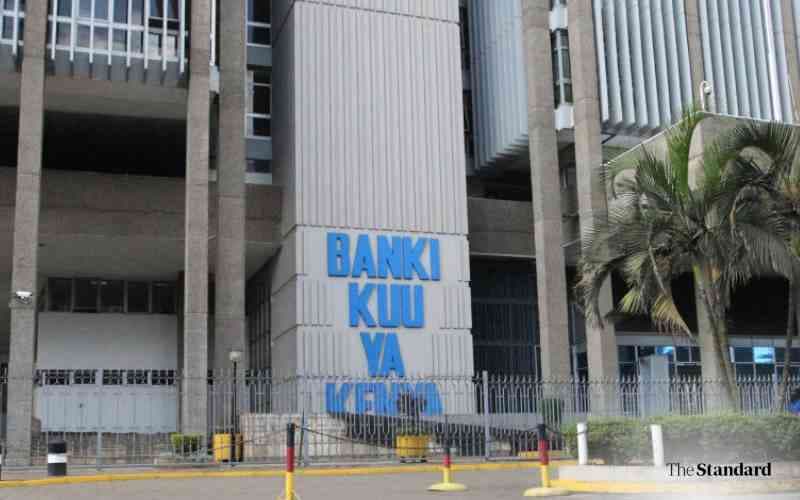
For millions of Kenyan borrowers engaging in the daily juggling act of loan repayments, the High Court has delivered a decisive victory. In a ruling that reinforces the protective wall around consumer credit, the court on Monday dismissed a petition by the Kenya Bankers Association (KBA) that sought to bypass government oversight on interest rate increases.
The bottom line? Your bank cannot simply wake up and hike your loan repayment rates because market conditions have shifted. They must first ask for permission.
At the heart of this legal battle was Section 44 of the Banking Act—a provision that banks have long viewed as a straitjacket. It explicitly requires lending institutions to obtain approval from the Cabinet Secretary for the National Treasury before increasing lending rates or imposing extra charges.
Justice Mulwa, delivering the ruling in Nairobi, was unequivocal. He rejected the KBA’s argument that this law infringed on the Central Bank of Kenya’s (CBK) independence. The bankers had contended that setting interest rates was a function of monetary policy, the exclusive domain of the CBK under Article 231 of the Constitution.
However, the court drew a sharp line in the sand:
This ruling is not an isolated event; it is the second major judicial blow to lenders in under two years. It cements a precedent set by the Supreme Court in the landmark Stanbic Bank Kenya Limited v Santowels Limited case.
In that June 2024 decision, the apex court held that banks could not rely on fine print in loan agreements to vary interest rates unilaterally. They ruled that Section 44 was mandatory, not optional. Monday's High Court ruling effectively shuts the door on the bankers' attempt to reopen that debate through a constitutional challenge.
"The decision ensures borrowers remain shielded from abrupt and costly loan repricing," the court noted, emphasizing that the law was enacted primarily for consumer protection.
For the banks, this ruling restricts their agility in a volatile economy. Lenders are currently grappling with:
Analysts warn that while this is a win for existing borrowers, it may have a chilling effect on new credit. If banks cannot price risk freely, they may simply choose to lend less, potentially tightening the tap for small businesses and individuals.
"CBK may influence market rates through tools such as the Central Bank Rate and liquidity controls, but the actual pricing of loans by private banks is a commercial decision," Justice Mulwa stated. By upholding Section 44, the judiciary has signaled that commercial freedom does not override the need for regulatory checks and balances.
As the dust settles, the message to lenders is clear: The era of unilateral rate hikes is over. Transparency and approval are now the non-negotiable costs of doing business.
Keep the conversation in one place—threads here stay linked to the story and in the forums.
Sign in to start a discussion
Start a conversation about this story and keep it linked here.
Other hot threads
E-sports and Gaming Community in Kenya
Active 9 months ago
The Role of Technology in Modern Agriculture (AgriTech)
Active 9 months ago
Popular Recreational Activities Across Counties
Active 9 months ago
Investing in Youth Sports Development Programs
Active 9 months ago