We're loading the full news article for you. This includes the article content, images, author information, and related articles.
Devolved units borrowed Sh3.2 billion in the first quarter to stay afloat, a staggering 77% increase from last year, as late cash disbursements from the National Treasury trigger a financial crunch.
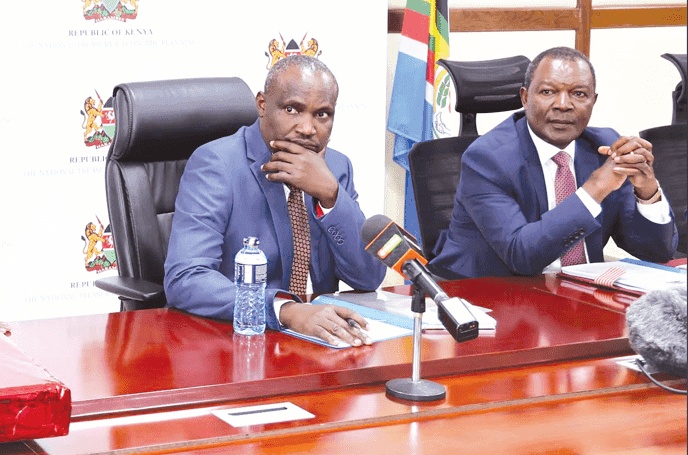
County governments are increasingly relying on commercial bank loans to pay salaries and fund operations, borrowing a hefty Sh3.2 billion (approx. $24.6 million) in the first quarter of the 2025/2026 financial year. This represents a dramatic 77% surge from the Sh1.8 billion borrowed during the same period last year, a clear distress signal amid persistent delays in cash disbursements from the National Treasury.
The borrowing spree, detailed in a recent report by the Controller of Budget (CoB), underscores the severe cash-flow challenges crippling service delivery at the devolved level. These delays, attributed to the late passage of crucial legislation like the County Allocation of Revenue Bill, have forced counties to seek expensive short-term debt to meet their most basic obligations.
Nairobi City County emerged as the single largest borrower, with an outstanding commercial debt of Sh1.9 billion by the end of September 2025. According to the CoB, Dr. Margaret Nyakang'o, the county's executive holds a significant overdraft facility with the Co-operative Bank of Kenya, primarily to cover its monthly personnel costs, which average Sh1.6 billion. For the use of this facility, Nairobi paid Sh68.38 million in charges, commissions, and penalties during the review period.
Other counties feeling the financial heat include:
This reliance on commercial loans is a direct consequence of the National Treasury's failure to release funds on time, a situation that has seen some counties wait up to 85 days for their monthly allocations.
The immediate casualty of this financial squeeze is development. The CoB report highlighted a worrying trend where ten counties, including Nairobi, reported zero expenditure on development projects in the first quarter. Overall, counties spent only Sh6.71 billion on development, a meager 3% absorption rate of their collective annual development budget of Sh205.33 billion. This is a decline from the 4% absorption rate recorded in the same period last year.
This inability to fund development projects not only stalls progress on critical infrastructure like roads and markets but also directly impacts the lives of ordinary Kenyans waiting for these essential services. The situation is further compounded by a mountain of pending bills, which stood at a staggering Sh168.62 billion, with Nairobi alone accounting for Sh121.06 billion.
While the government has acknowledged the legal hurdles that delayed disbursements, the recurring cash crunch raises serious questions about the financial sustainability of devolved governance. As counties sink deeper into debt to simply survive, the promise of devolution—to bring development and services closer to the people—hangs precariously in the balance.
Keep the conversation in one place—threads here stay linked to the story and in the forums.
Sign in to start a discussion
Start a conversation about this story and keep it linked here.
Other hot threads
E-sports and Gaming Community in Kenya
Active 10 months ago
The Role of Technology in Modern Agriculture (AgriTech)
Active 10 months ago
Popular Recreational Activities Across Counties
Active 10 months ago
Investing in Youth Sports Development Programs
Active 10 months ago