We're loading the full news article for you. This includes the article content, images, author information, and related articles.
The highly anticipated second edition of the Nightmare in Nairobi boxing extravaganza has officially taken over the capital, promising high-stakes bouts that could redefine the region's sporting legacy and send local fighters to global platforms.
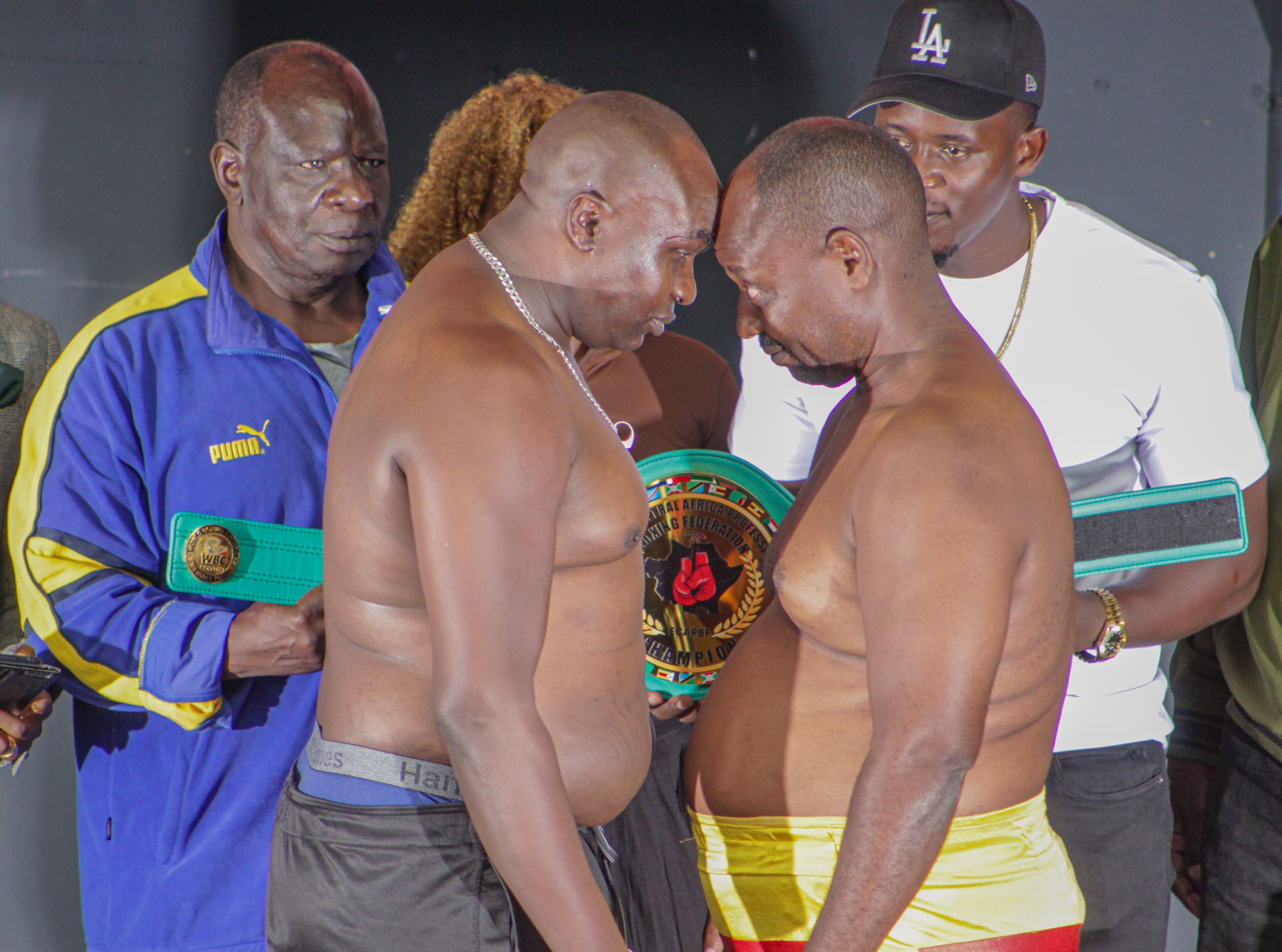
The highly anticipated second edition of the Nightmare in Nairobi boxing extravaganza has officially taken over the capital, promising high-stakes bouts that could redefine the region's sporting legacy and send local fighters to global platforms.
As the floodlights pierce the cool Nairobi night, all eyes are on the cruiserweight division where local hero Joshua Wasike prepares to trade blows with Tanzania's Jacob Maganga. The atmosphere inside the arena is purely electric, crackling with raw anticipation.
This is not merely a fight; it is a battle for regional supremacy. With the prestigious East and Central African title up for grabs, the victor secures a direct pathway to Commonwealth glory, a milestone that could revitalise Kenya's boxing heritage on the global stage at a crucial time.
For decades, Kenya has maintained a storied tradition in the boxing ring, producing legends who have dominated continental championships. However, recent years have seen a dip in international prominence. The Nightmare in Nairobi event aims to reverse this trend. Organisers have heavily invested in the production, ensuring the bouts are broadcast to a wider audience, thereby attracting potential sponsors and reviving grassroots interest.
Joshua Wasike, fighting out of a local stable, represents the hopes of thousands of aspiring pugilists across East Africa. His rigorous training camp, set against the high-altitude backdrop of the Rift Valley, has prepared him for the gruelling rounds ahead. The tactical preparation involves not just physical endurance but acute mental fortitude. Against a seasoned opponent like Maganga, any lapse in concentration could prove disastrous for Wasike's Commonwealth aspirations.
The financial implications of this bout are also significant. Pundits estimate the promotional value of the event exceeds $500,000 (approx. KES 65m), injecting vital revenue into the local sports economy. This influx of capital supports training facilities, coaching staff, and the broader hospitality sector benefiting from the influx of fans who have travelled from neighbouring countries to witness the spectacle live in Nairobi.
Across the border, Jacob Maganga has built a formidable reputation as a knockout artist. His arrival in Nairobi, accompanied by a vocal contingent of travelling supporters, has added a layer of intense regional rivalry to the proceedings. The historical sporting animosity between Kenya and Tanzania provides a compelling narrative, elevating a standard title defence into a matter of profound national pride.
Boxing analysts point out that Maganga's orthodox stance and devastating right hook pose a unique challenge for Wasike. The Tanzanian camp has been notably tight-lipped about their specific game plan, choosing instead to let their fighter's imposing physical presence do the talking during the pre-fight weigh-ins. This psychological warfare is a crucial component of the sport, designed to unsettle opponents before the first bell even rings.
Beyond the ropes, the Nightmare in Nairobi represents a significant commercial enterprise. The hospitality sector, encompassing hotels, transport, and local vendors, reports a noticeable surge in activity. Event organisers have strategically priced tickets to ensure a packed arena, creating an intimidating cauldron of noise that traditionally favours the home fighter and enhances the television broadcasting experience.
Local authorities have collaborated closely with the promoters to guarantee security and smooth logistical operations. The deployment of advanced crowd management techniques ensures that the focus remains entirely on the sporting spectacle. As the bout coincides with a busy weekend in the capital, the synergy between sports and tourism is on full display, proving that Nairobi remains a premier destination for major sporting events.
Sponsorship activations around the venue highlight the growing corporate interest in combat sports. Brands are eager to associate themselves with the resilience and determination embodied by the athletes. This commercial backing is essential for the long-term sustainability of professional boxing in the region, providing fighters with the financial security necessary to dedicate themselves entirely to their craft without seeking alternative employment.
As the clock ticks down to the main event, the tension in the dressing rooms is palpable. Trainers are wrapping hands, offering final words of tactical advice, and ensuring their fighters are mentally primed for warfare. The undercard bouts have already delivered spectacular knockouts, perfectly setting the stage for the highly anticipated main event.
Fans across the country will be tuning in, hoping to witness the birth of a new Kenyan boxing superstar. The pressure on Wasike is immense, but champions are forged in the crucible of expectation. If he can navigate the early storm from Maganga, his superior technical skills could pave the way for a historic victory.
"The bell will ring, the talking will stop, and only one man will take a step closer to Commonwealth immortality," declared the lead promoter.
Keep the conversation in one place—threads here stay linked to the story and in the forums.
Sign in to start a discussion
Start a conversation about this story and keep it linked here.
Other hot threads
E-sports and Gaming Community in Kenya
Active 9 months ago
The Role of Technology in Modern Agriculture (AgriTech)
Active 9 months ago
Popular Recreational Activities Across Counties
Active 9 months ago
Investing in Youth Sports Development Programs
Active 9 months ago