We're loading the full news article for you. This includes the article content, images, author information, and related articles.
The Common Market for Eastern and Southern Africa (Comesa) has intensified its probe into Meta, raising the stakes for the regulation and control of artificial intelligence bots.
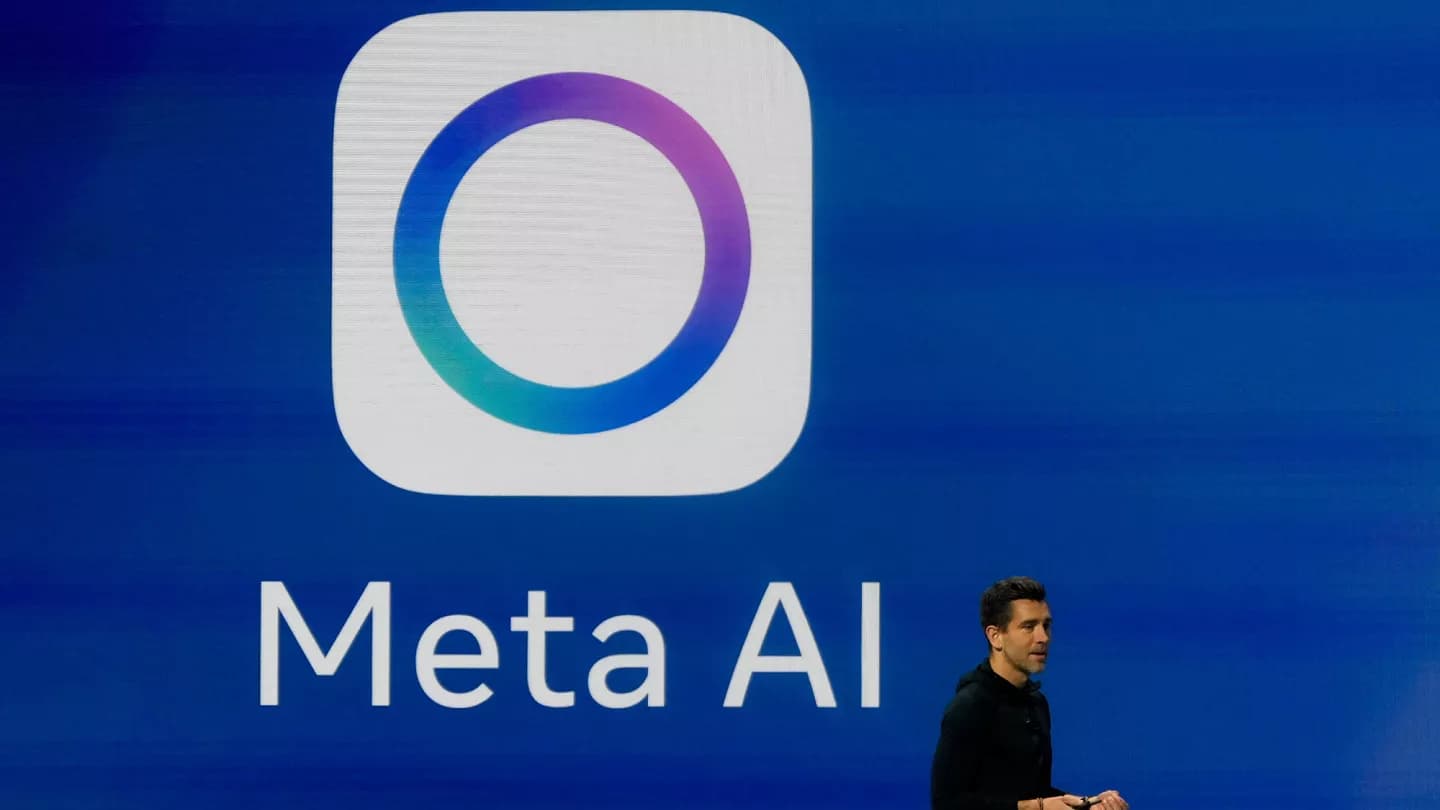
The Common Market for Eastern and Southern Africa (Comesa) has intensified its aggressive probe into Meta, raising the stakes for the regulation and control of artificial intelligence bots within the rapidly expanding regional digital economy.
Silicon Valley tech giants are facing unprecedented regulatory scrutiny in Africa as Comesa moves aggressively to establish robust, localized guardrails around the deployment of artificial intelligence.
This investigation is critical because the unchecked integration of sophisticated AI bots into dominant social media platforms threatens to bypass local data protection laws, manipulate consumer behavior, and stifle the growth of indigenous tech startups across the African continent.
The Comesa Competition Commission (CCC) has escalated its formal investigation into the business practices of Meta, the parent company of Facebook, WhatsApp, and Instagram. The probe centers squarely on the tech behemoth's aggressive rollout of automated AI bots and its opaque data harvesting methodologies. Regulators are deeply concerned that Meta is leveraging its massive, unassailable market dominance to force consumers into accepting intrusive AI features without providing adequate, transparent opt-out mechanisms or explicitly securing informed consent regarding data usage.
Furthermore, the investigation is examining the potential for algorithmic bias and the anti-competitive nature of these embedded AI systems. By integrating advanced generative AI directly into platforms utilized by hundreds of millions of Africans daily, Meta essentially creates a closed ecosystem. This effectively locks out local, innovative tech developers from competing on a level playing field, stifling the nascent African artificial intelligence industry before it can achieve critical mass or establish a sustainable market presence.
The financial implications of a negative ruling for Meta are substantial. Comesa possesses the regulatory authority to levy massive fines, potentially reaching a significant percentage of the corporation's regional revenue. More importantly, the commission could mandate sweeping structural changes to how Meta deploys its technology across the 21 member states, forcing the company to alter its fundamental business model to comply with localized data sovereignty requirements.
This aggressive regulatory stance signals a definitive end to the era of unchecked digital expansionism. African nations are no longer content to merely consume imported technology; they are demanding a say in its governance and a fair share of the resulting economic prosperity. The outcome of this probe will heavily influence the regulatory strategies of other regional blocs worldwide.
Kenya, widely recognized as the "Silicon Savannah," has a massive vested interest in the outcome of the Comesa investigation. As the region's premier tech hub, Nairobi is home to hundreds of innovative startups pioneering localized AI solutions in agriculture, healthcare, and fintech. If Meta is permitted to dominate the AI landscape through monopolistic practices, it poses an existential threat to these homegrown enterprises, potentially devastating the local tech ecosystem and draining highly skilled talent from the region.
Moreover, Kenyans are incredibly prolific users of WhatsApp and Facebook for both personal communication and vital business operations. The unmonitored integration of AI bots raises severe concerns regarding data privacy and digital security. The Office of the Data Protection Commissioner (ODPC) in Kenya will likely use the findings of the Comesa probe to bolster its own regulatory framework, ensuring that the personal data of Kenyan citizens is not exploited to train foreign AI models without explicit, transparent compensation or consent.
The tech industry is watching the Comesa proceedings with intense apprehension. A ruling against Meta would undoubtedly embolden regulators globally to rein in the unchecked power of Silicon Valley corporations.
The critical challenge for Comesa is to strike a delicate balance: aggressively protecting consumers and local industries without inadvertently stifling the technological innovation necessary for rapid economic development.
"Africa must fiercely assert its digital sovereignty; we cannot allow foreign algorithms to unilaterally dictate the future of our digital economy."
Keep the conversation in one place—threads here stay linked to the story and in the forums.
Sign in to start a discussion
Start a conversation about this story and keep it linked here.
Other hot threads
E-sports and Gaming Community in Kenya
Active 9 months ago
The Role of Technology in Modern Agriculture (AgriTech)
Active 9 months ago
Popular Recreational Activities Across Counties
Active 9 months ago
Investing in Youth Sports Development Programs
Active 9 months ago