We're loading the full news article for you. This includes the article content, images, author information, and related articles.
A public act of charity by controversial preacher Muthee Kiengei for a Homa Bay water vendor highlights the severe water access challenges and socio-economic hardships facing residents in the lakeside county.
A routine crusade in Homa Bay County took an unexpected turn when Bishop Muthee Kiengei, the founder of Jesus Compassionate Ministries (JCM), singled out a local water vendor from the crowd. The vendor, identified only as Pipo, was reportedly struggling with a dilapidated bicycle, punctured tires, and leaking water containers. On Friday, November 1, 2025, Kiengei called Pipo to the stage, where he publicly detailed the man's worn-out appearance and equipment as a symbol of his hardship.
In a dramatic gesture, Kiengei provided the vendor with a new set of clothes and gave him his own shoes. The transformation was immediate, drawing cheers from the assembled crowd. Kiengei highlighted Pipo's hardworking nature as the reason for the intervention and suggested he could be supported to start a small business selling fish or eggs. The event, broadcast and widely shared on social media, has since ignited a national conversation about philanthropy, the role of the church in poverty alleviation, and the underlying issues of economic precarity in many Kenyan counties.
Pipo, who sells each of his five water containers for KSh 20, shared personal details of his struggle, including the fact that his wife had left him. His story is emblematic of the challenges faced by many in Kenya's informal sector, where daily earnings are uncertain and equipment failures can be catastrophic to a livelihood. The public intervention has offered him a moment of respite and potential opportunity, with at least one church member giving him KSh 1,000 on the spot.
Bishop Kiengei, a former comedian and radio host whose real name is Benson Gathungu Kamau, has cultivated a public profile that blends charismatic preaching with high-profile acts of charity. His ministry, JCM, is explicitly founded on a mission of compassionate action. However, his methods are not without controversy. Recently, fellow preacher Victor Kanyari accused Kiengei of using a separate charity initiative for self-promotion, a charge that highlights the fine line between genuine aid and public relations in modern ministry.
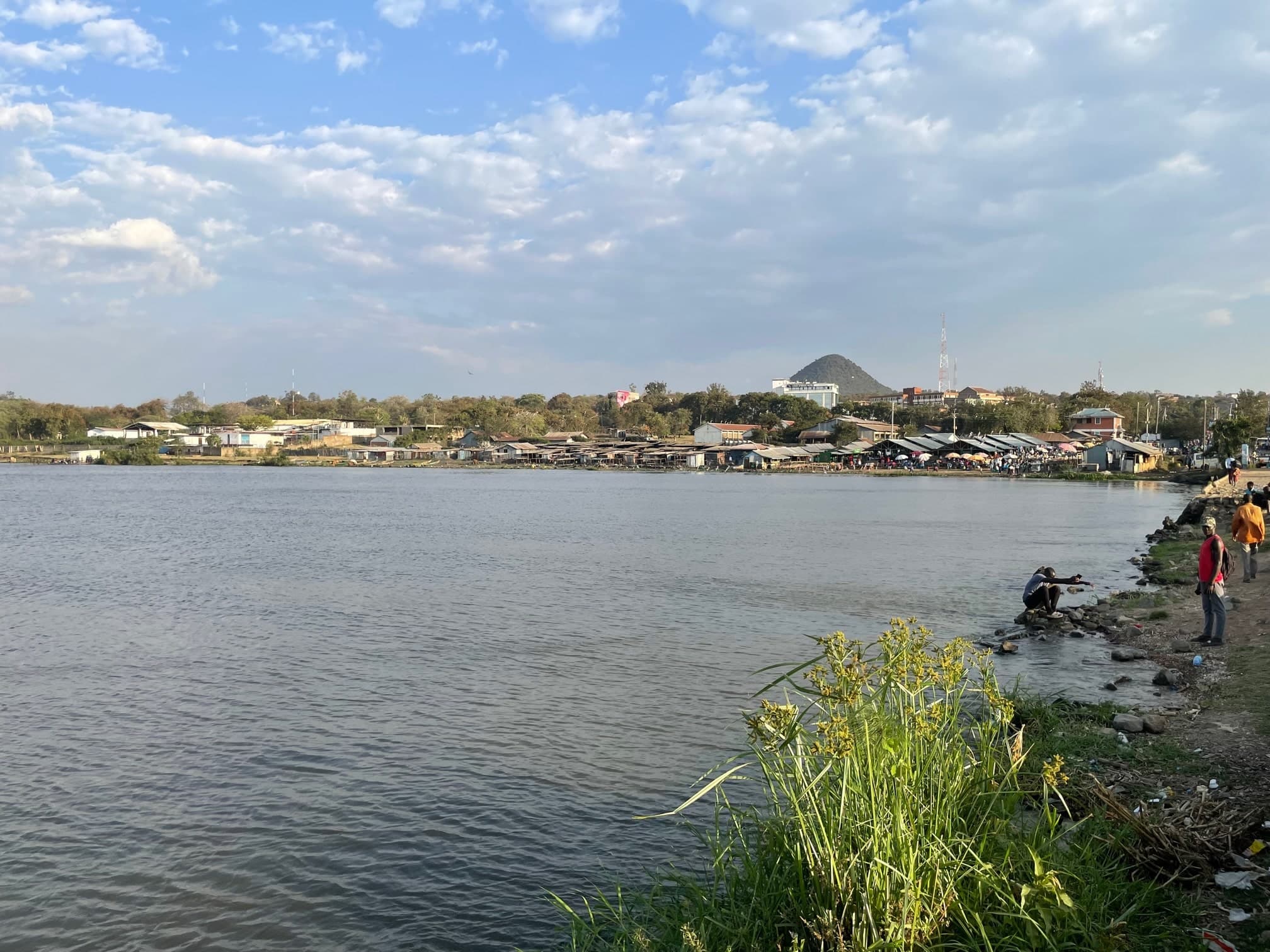
Pipo's profession as a water vendor is a direct consequence of systemic infrastructure failures in Homa Bay. Despite its proximity to Lake Victoria, Africa's largest freshwater lake, the county has long suffered from severe and persistent water shortages. Residents in major towns and estates like Shauri Yako, Makongeni, and Sofia have reported dry taps for months at a time. This crisis persists even after the launch of a Sh1.4 billion Homa Bay Cluster Water Project, which was intended to solve the problem.
The failure of the formal water supply has created a thriving, yet precarious, market for informal vendors like Pipo. These vendors, using bicycles, carts, or donkeys, fill a critical gap but often at a high cost to consumers. A 20-litre jerrican can sell for as much as KSh 50, a significant expense for low-income households, and the water quality is often not guaranteed, posing public health risks such as cholera and dysentery. According to a United Nations Development Programme report, a majority of low-income households relying on such vendors spend more than the affordability threshold on water. The Homa Bay County government has cited vandalism of pipes and challenges in revenue collection as major impediments to improving service delivery through the Homa Bay County Water and Sanitation Company (HOMAWASCO).
The viral story of Pipo and Kiengei serves as a microcosm of a broader Kenyan reality. It underscores the significant role that religious figures and organizations play in social welfare, often stepping in where state services are perceived to have failed. While these interventions provide immediate and often life-changing relief for individuals, they also raise critical questions about sustainable, long-term solutions to systemic poverty and infrastructure deficits. The reliance on informal water providers is not unique to Homa Bay; in Nairobi's low-income areas, an estimated 80% of residents depend on such sources due to inadequate piped water infrastructure. As Kenya's population grows, the pressure on water resources is expected to intensify, with the government estimating a need for KSh 100 billion annually to meet demand—far exceeding current investment levels. Pipo's moment in the spotlight, therefore, is not just a feel-good story but a stark reminder of the daily struggles of millions and the complex interplay of faith, charity, and governance in shaping their outcomes.
Keep the conversation in one place—threads here stay linked to the story and in the forums.
Sign in to start a discussion
Start a conversation about this story and keep it linked here.
Other hot threads
E-sports and Gaming Community in Kenya
Active 10 months ago
The Role of Technology in Modern Agriculture (AgriTech)
Active 10 months ago
Popular Recreational Activities Across Counties
Active 10 months ago
Investing in Youth Sports Development Programs
Active 10 months ago



