We're loading the full news article for you. This includes the article content, images, author information, and related articles.
A new five-year tariff policy approved by Nairobi's County Assembly sets the stage for significant increases in parking and business permit fees, tying charges directly to the cost of services.
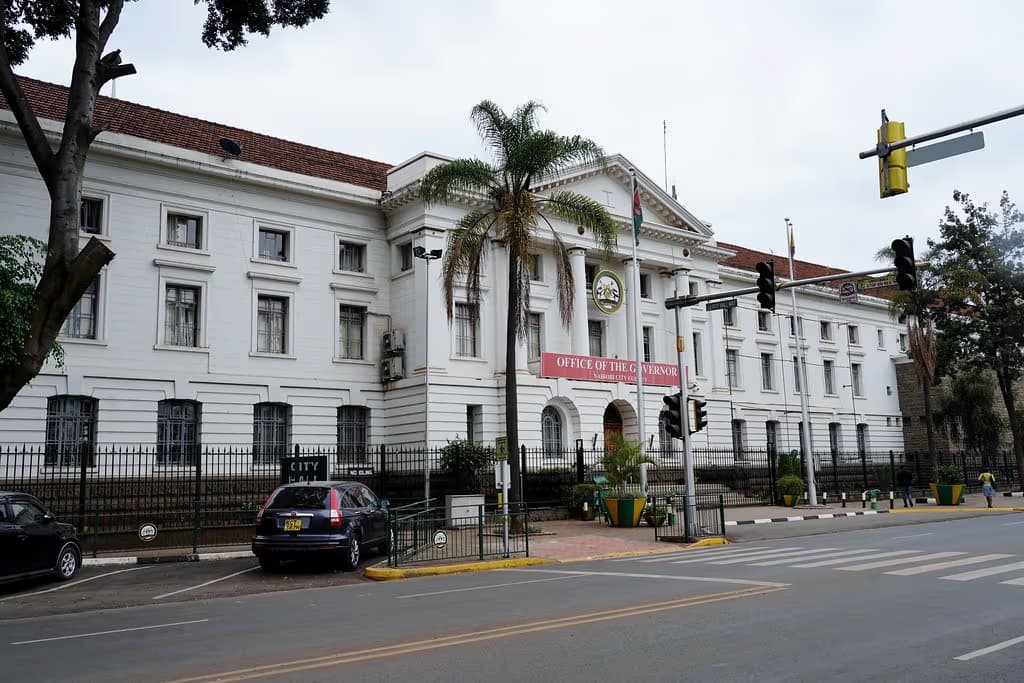
Nairobi motorists and traders are facing the prospect of sharply higher costs after City Hall approved a sweeping policy framework that could see daily parking fees rise to KES 520 and some business permits climb to over KES 74,000. The move, anchored in a new five-year tariff policy, aims to overhaul how the county charges for its services.
The policy is designed to align fees with the actual cost of delivering services, a departure from the previous system of annual ad-hoc adjustments. For Nairobi's residents, this signals a fundamental shift in how the county finances itself, moving to recover the full cost of services from users and reduce its reliance on national government transfers.
While the assembly's approval does not trigger an immediate price hike, it grants the county executive the legal authority to implement the new rates through upcoming annual Finance Bills. County Receiver of Revenue Tairus Njoroge emphasized that the executive will consider the economic outlook and public feedback before setting the final charges. "The county is sensitive to the current economic environment," Njoroge noted, clarifying the policy is a guiding framework, not a direct price list.
The new cost-based calculations provide a stark look at potential future expenses for Nairobians. The policy documents detail how these figures were reached:
This initiative is rooted in the county's push to boost its own-source revenue to meet a growing budget and population. Majority Whip Moses Ogeto confirmed the assembly's approval, stating, "The population has increased in Nairobi. We need to work on our revenue collection." The move also follows a High Court decision that quashed the 2023 Finance Act, highlighting the need for a formal, legally sound tariff policy before revising fees.
However, the proposed hikes have been met with concern from residents already grappling with a high cost of living. Previous attempts to increase fees have faced stiff resistance from transport and business associations, who argue that higher operational costs ultimately get passed down to the consumer.
For now, the current fee structures remain in place. But with the new policy approved, Nairobians will be watching the next Finance Bill closely, as it will reveal the true cost of doing business and parking in the city—a cost now explicitly tied to City Hall's own expenses.
Keep the conversation in one place—threads here stay linked to the story and in the forums.
Sign in to start a discussion
Start a conversation about this story and keep it linked here.
Other hot threads
E-sports and Gaming Community in Kenya
Active 9 months ago
The Role of Technology in Modern Agriculture (AgriTech)
Active 9 months ago
Popular Recreational Activities Across Counties
Active 9 months ago
Investing in Youth Sports Development Programs
Active 9 months ago



