We're loading the full news article for you. This includes the article content, images, author information, and related articles.
EPRA holds pump prices steady for the third month, dashing hopes for cheaper festive travel as landed costs for petrol dip by 4%.
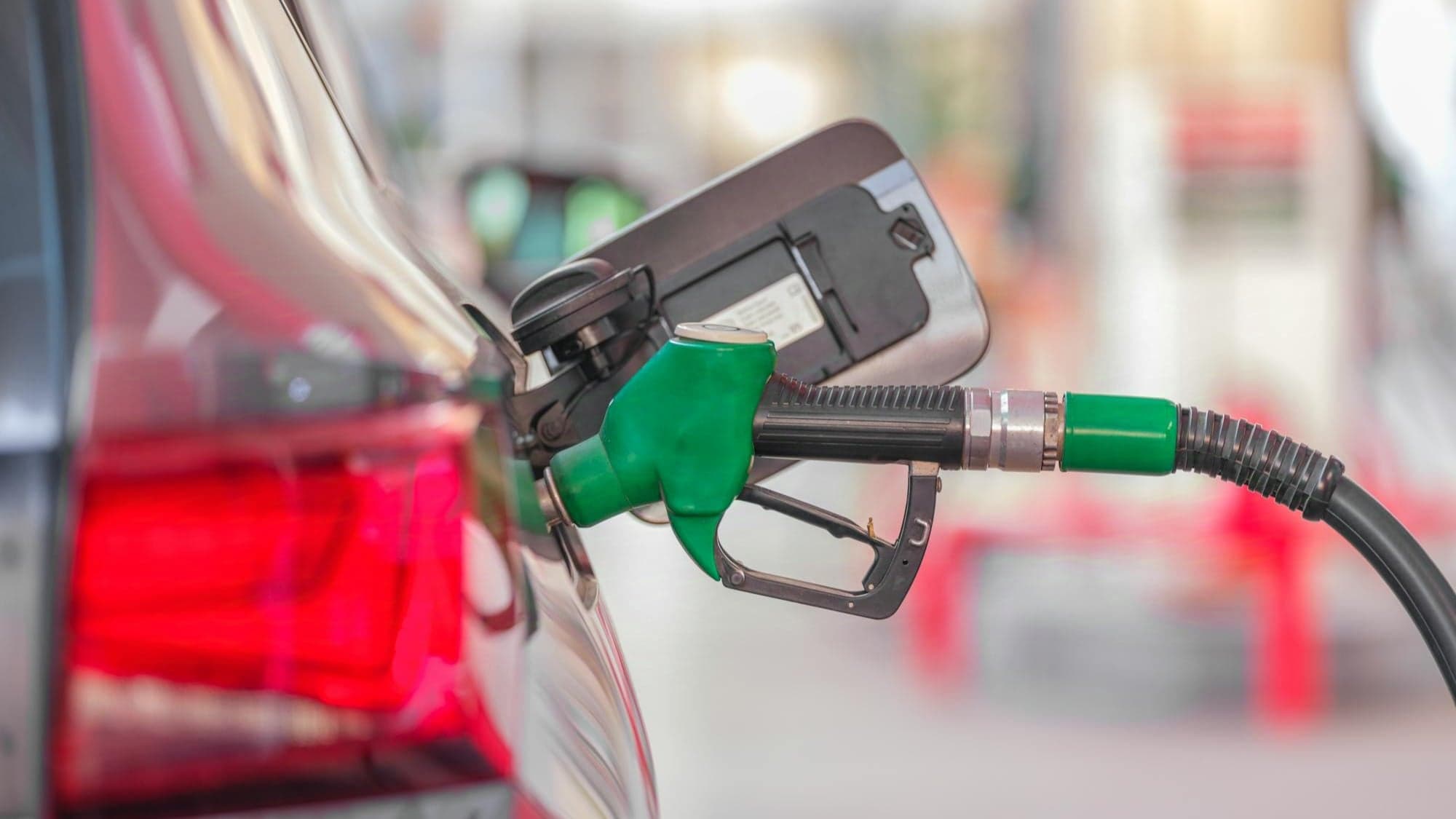
For the millions of Kenyans planning their annual pilgrimage upcountry for Christmas, the news from the Energy and Petroleum Regulatory Authority (EPRA) lands with a heavy thud. In its latest monthly review announced Sunday, the regulator has kept fuel prices unchanged, locking Super Petrol in Nairobi at Ksh184.52 per litre for the third consecutive month.
The decision, effective from midnight December 15 through January 14, 2026, means the anticipated holiday relief at the pump has evaporated. While motorists will not pay more, the refusal to lower prices—despite a notable dip in the global cost of petrol—raises sharp questions about the pricing formula and the government's tax appetite during the festive season.
Under the new pricing schedule, the cost of living remains tethered to high energy inputs. Nairobi residents will continue to pay:
In Mombasa, benefitting from its proximity to the port, motorists will pay slightly less, with petrol retailing at Ksh181.24. Meanwhile, in the agricultural hubs of Nakuru and Eldoret, petrol will trade at Ksh183.56 and Ksh184.38 respectively.
The stagnation in pump prices comes against a backdrop of shifting global dynamics. According to EPRA Director General Daniel Kiptoo, the average landed cost of imported Super Petrol—the price at the port before taxes and margins—actually dropped by 4.25% in November. It fell from $619.14 (approx. Ksh80,400) per cubic metre to $592.84 (approx. Ksh77,000).
"In the period under review, the maximum allowed petroleum pump prices for Super Petrol, Diesel, and Kerosene remain unchanged," Kiptoo noted in the dispatch, citing the need to balance the import disparities.
While petrol costs dipped, the landed cost of Diesel rose by 3.02%, and Kerosene spiked by 5.52%. This mixed bag of import costs likely forced the regulator's hand to maintain a status quo, effectively using the savings from petrol to cushion the rising costs of diesel and kerosene—a cross-subsidization strategy that keeps public transport and household cooking fuel from hiking, but denies private motorists a price cut.
For the common mwananchi, these figures are not just statistics; they are the difference between a comfortable December and a strained January. Diesel, remaining at Ksh171.47, is the lifeblood of the transport and agricultural sectors. With matatu operators already decrying high operational costs, this announcement offers no leverage for reducing fares during the high-demand Christmas travel window.
Furthermore, Kerosene at Ksh154.78 continues to burden low-income households who rely on it for cooking and lighting, keeping the cost of basic survival uncomfortably high.
"We expected a drop, especially with the shilling stabilizing," said James Mwangi, a matatu driver at the Tea Room stage in Nairobi. "If petrol is down globally, why are we not feeling it here? It feels like the government is collecting with both hands."
As the country heads into the holidays, the stability in prices offers predictability, but little comfort. The burden of taxation—including the 16% VAT and the Road Maintenance Levy—remains the silent passenger in every vehicle, ensuring that even when global oil barons sneeze, the Kenyan consumer still catches a cold.
Keep the conversation in one place—threads here stay linked to the story and in the forums.
Sign in to start a discussion
Start a conversation about this story and keep it linked here.
Other hot threads
E-sports and Gaming Community in Kenya
Active 9 months ago
The Role of Technology in Modern Agriculture (AgriTech)
Active 9 months ago
Popular Recreational Activities Across Counties
Active 9 months ago
Investing in Youth Sports Development Programs
Active 9 months ago