We're loading the full news article for you. This includes the article content, images, author information, and related articles.
Chocolate bars are being locked in plastic boxes in UK shops as retailers and police forces warn that organized criminals are increasingly targeting confectionery to sell on the black market.
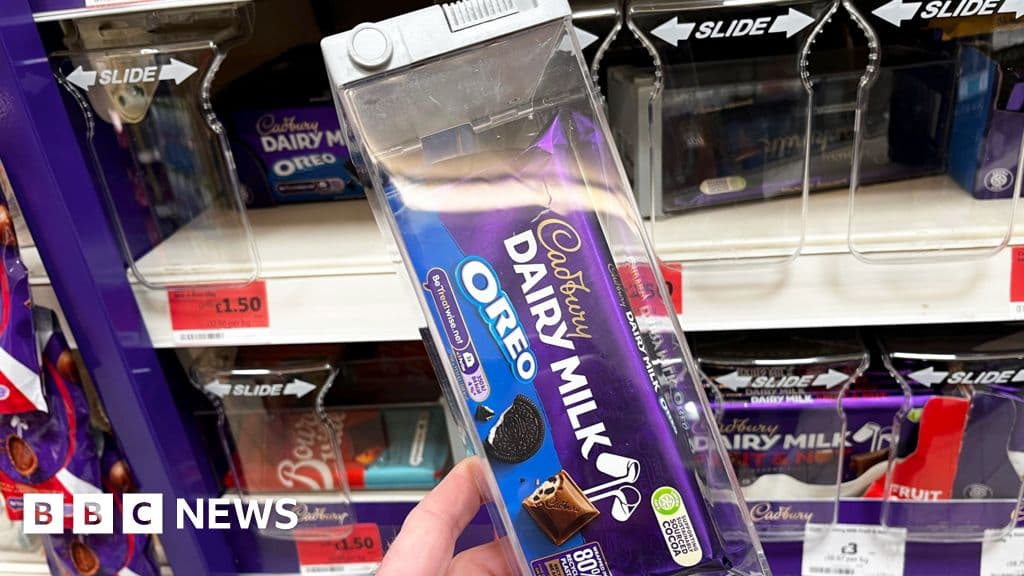
The seemingly innocuous chocolate bar has become the latest high-value target for highly organized criminal syndicates, forcing major retailers to deploy extreme anti-theft measures previously reserved for premium electronics and luxury spirits.
The visual landscape of the modern supermarket is changing rapidly, driven by an alarming surge in organized retail crime. Across the United Kingdom, shoppers are encountering a jarring new reality: everyday confectioneries, such as a £2.60 (approx. KES 430) bar of Cadbury Dairy Milk, are now securely locked inside transparent, anti-theft plastic boxes.
This is not a reaction to petty, opportunistic shoplifting by teenagers. According to stark warnings from retail consortiums and police forces, chocolate is now being systematically "stolen to order" by prolific offenders. The sweet treats are rapidly funneled into a lucrative black market, sold on to fund broader criminal enterprises.
The Association of Convenience Stores (ACS) has sounded the alarm, noting that high-value chocolate, coffee, meat, and alcohol are the primary currencies of modern retail theft. Criminals can quickly fence these goods through unscrupulous local traders, pubs, or via online marketplaces with minimal risk compared to traditional burglaries.
The audacity of these operations is staggering. Recent CCTV footage released by various police forces highlights the sheer brazenness of the thieves. In one instance shared by Wiltshire Police, an offender casually dragged an entire shelving unit fully stocked with chocolate out of the shop doors. In another bizarre case handled by Cambridgeshire Police, a man was apprehended carrying a coat heavily loaded with stolen Cadbury's Creme Eggs.
While the epicenter of this specific trend is the UK, the underlying socioeconomic drivers hold profound relevance for East Africa and the global retail sector. The relentless squeeze of the cost-of-living crisis has created a booming demand for discounted, black-market goods. When household budgets are stretched to the breaking point, the moral friction of buying stolen inventory dramatically decreases.
In Nairobi, major retail chains like Naivas and Carrefour have long employed aggressive security protocols, including plainclothes detectives and bag-checks, to deter shrinkage. However, the UK trend signals an escalation in criminal methodology. If highly organized syndicates determine that moving fast-moving consumer goods (FMCG) like premium chocolate offers a safer return on investment than narcotics or electronics, Kenyan retailers must anticipate a similar shift in local criminal tactics.
Beyond the financial losses—which are ultimately passed on to the consumer through higher prices—the human impact is devastating. The British Retail Consortium reported a staggering 5.5 million detected incidents of shop theft last year alone.
The sight of a locked-up chocolate bar is a depressing indictment of current economic pressures and the brazenness of modern criminal networks. It serves as a stark warning to international retail sectors: securing the perimeter is no longer enough; the very shelves themselves must now be armored against the black market.
Keep the conversation in one place—threads here stay linked to the story and in the forums.
Sign in to start a discussion
Start a conversation about this story and keep it linked here.
Other hot threads
E-sports and Gaming Community in Kenya
Active 9 months ago
The Role of Technology in Modern Agriculture (AgriTech)
Active 9 months ago
Popular Recreational Activities Across Counties
Active 9 months ago
Investing in Youth Sports Development Programs
Active 9 months ago