We're loading the full news article for you. This includes the article content, images, author information, and related articles.
Major firms like Alibaba and ByteDance are shifting vital AI development to overseas data centres to access high-powered Nvidia chips, a strategic pivot with significant global and local implications.
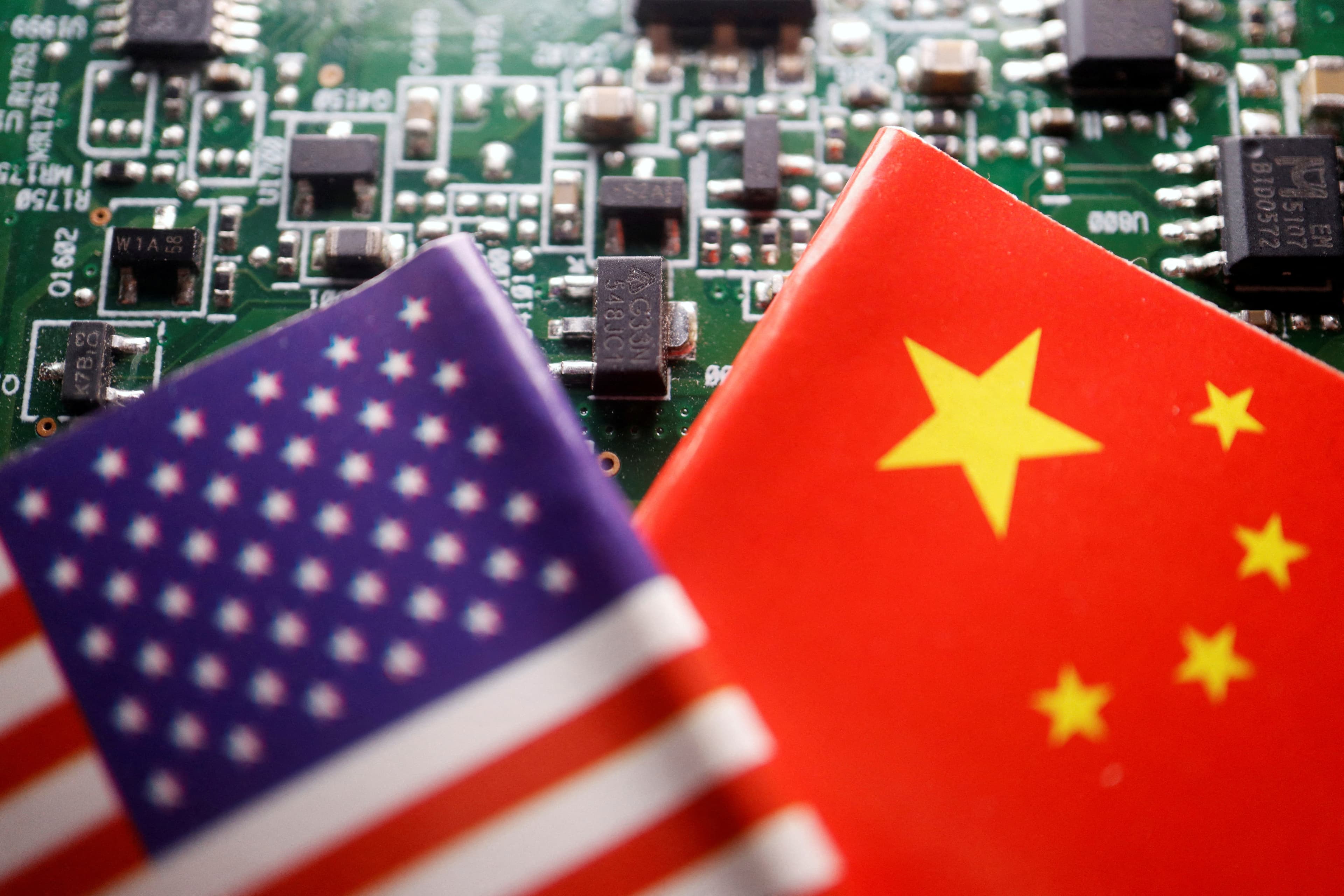
In a calculated move to sidestep stringent U.S. export controls, China's largest technology firms are moving their advanced artificial intelligence (AI) model training to data centres outside the mainland. This allows them to continue using powerful, high-demand processors from American giant Nvidia, which are crucial for developing the next generation of AI.
The strategic shift underscores the high stakes in the global technology race. Washington's restrictions, first implemented in October 2022 and progressively tightened, aim to slow Beijing's technological and military advancement by cutting off access to critical semiconductor technology. However, Chinese companies, including e-commerce leader Alibaba and TikTok-owner ByteDance, are now leasing server space in locations like Southeast Asia to train their large language models (LLMs).
The workaround highlights the immense value placed on Nvidia's chips, which dominate the AI industry with a market share nearing 90%. These high-performance Graphics Processing Units (GPUs), such as the H100 and the newer B200 Blackwell, can cost between $30,000 (approx. KES 3.9 million) and $40,000 (approx. KES 5.2 million) per unit. Training sophisticated AI models requires thousands of these chips working in concert, representing a colossal investment.
By moving this critical phase of development offshore, Chinese firms can legally access the processing power they need. This maneuver, however, is not without its constraints. Chinese law, for instance, restricts the movement of private data out of the country, meaning any AI model customization for local clients must still happen domestically.
This offshore strategy is more than a temporary fix; it signals a realignment of global tech infrastructure and raises questions about the long-term effectiveness of U.S. sanctions. While the U.S. aims to protect its national security interests, some analysts warn that the restrictions could inadvertently accelerate China's push for technological self-sufficiency. Chinese firms are actively collaborating with domestic chipmakers like Huawei to develop homegrown alternatives.
For Kenya, this global power struggle has tangible consequences. The proliferation of advanced AI models, regardless of where they are trained, will inevitably impact the digital economy. It could lead to new opportunities in tech services and data analysis, but also poses challenges related to data privacy, cybersecurity, and the digital divide.
The situation remains fluid. While some Chinese companies like DeepSeek reportedly stockpiled Nvidia chips before the bans took full effect, most must now navigate this complex geopolitical landscape. The ultimate outcome of this high-stakes chip war will shape the future of artificial intelligence, not just for the U.S. and China, but for the entire world.
Keep the conversation in one place—threads here stay linked to the story and in the forums.
Sign in to start a discussion
Start a conversation about this story and keep it linked here.
Other hot threads
E-sports and Gaming Community in Kenya
Active 9 months ago
The Role of Technology in Modern Agriculture (AgriTech)
Active 9 months ago
Popular Recreational Activities Across Counties
Active 9 months ago
Investing in Youth Sports Development Programs
Active 9 months ago



