We're loading the full news article for you. This includes the article content, images, author information, and related articles.
The victory cements a global trend of populist resurgence, with the President-elect promising Trump-style border walls and mass expulsions.

The ghost of Augusto Pinochet has returned to the La Moneda palace, as far-right firebrand José Antonio Kast clinched a decisive victory in Chile’s presidential runoff, sending shockwaves through the global political establishment.
Securing 58.16% of the vote against leftist Jeannette Jara, Kast’s win is not an isolated event but the latest domino in a global populist resurgence—echoing the rise of Donald Trump and Argentina's Javier Milei—that prioritizes aggressive nationalism over traditional democratic norms.
Kast, a father of nine and a staunch Catholic, campaigned on a platform that resonates with the hardline security rhetoric often heard in Kenya's own border debates. He successfully leveraged public anxiety regarding migration, claiming that the influx of foreigners over the last decade was the primary fuel for rising crime rates.
His proposed solutions are lifted directly from the populist playbook of the Global North:
This aggressive stance allowed him to defeat Jara, a former labour minister under current President Gabriel Boric, by a margin of over two million votes.
For many observers, Kast’s ascent marks the most significant shift to the right since Chile’s return to democracy in 1990. He is the first post-dictatorship leader to openly admire General Augusto Pinochet, a regime responsible for the torture of an estimated 40,000 people and the death of over 3,000.
Kast has never shied away from this association. During his 2017 campaign, he famously asserted, “If [Pinochet] were alive, he would vote for me.” This nostalgia for authoritarian rule has alarmed human rights watchdogs, even as it energized a base tired of political instability.
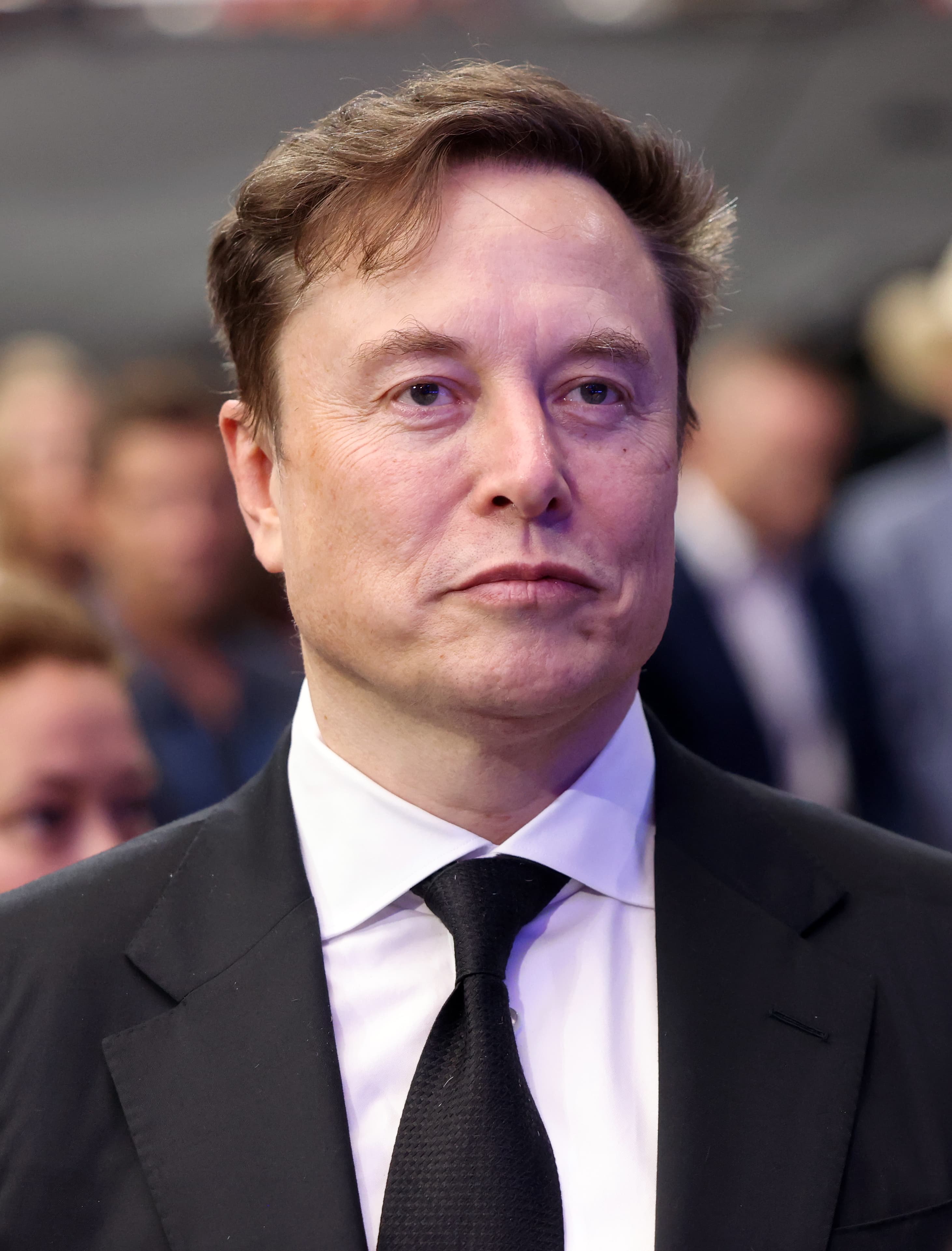
The victory was immediately hailed by the heavyweights of the global right, signaling a consolidated international network of conservative leadership. Congratulations poured in from U.S. Secretary of State Marco Rubio, Hungary’s Viktor Orbán, and tech mogul Elon Musk.
Analysts view this pendulum swing—from the leftist administration of Boric to the hard-right Kast—as symptomatic of a volatile electorate seeking radical answers to economic and social insecurity.
However, the cost of this stability may be high. As Cristóbal Rovira Kaltwasser, a prominent political researcher at the Pontificia Universidad Católica de Chile, starkly warned, this election represents “bad news for Chile’s democratic system”—a sentiment that rings with unsettling familiarity across a polarized world.
Keep the conversation in one place—threads here stay linked to the story and in the forums.
Sign in to start a discussion
Start a conversation about this story and keep it linked here.
Other hot threads
E-sports and Gaming Community in Kenya
Active 9 months ago
The Role of Technology in Modern Agriculture (AgriTech)
Active 9 months ago
Popular Recreational Activities Across Counties
Active 9 months ago
Investing in Youth Sports Development Programs
Active 9 months ago
Key figures and persons of interest featured in this article