We're loading the full news article for you. This includes the article content, images, author information, and related articles.
For more than a week, meteorologists issued dire warnings of extreme rain. But for the nearly 40 people buried under the Elgeyo Marakwet mud, a history of ignored research and a lack of safer options proved fatal.
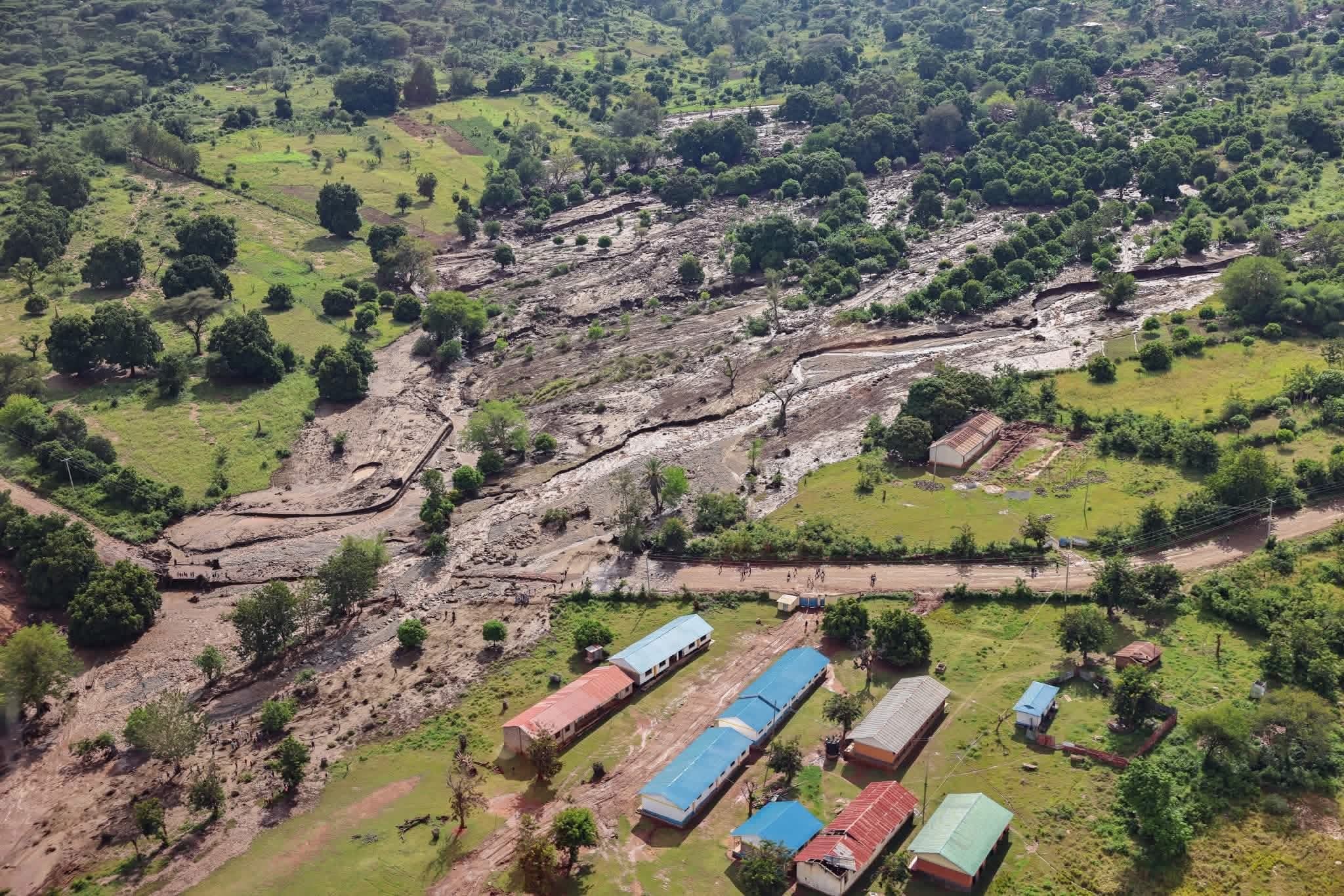
The earth moved just before dawn, burying homes and futures under a torrent of mud in Chesongoch. [11, 18] For the families caught in its path, the disaster was brutally sudden, but for scientists and government agencies, it was a catastrophe that had been broadcasting its arrival for days. [8]
This predictable tragedy, which claimed at least 39 lives and left hundreds homeless, exposes a fatal gap between scientific warnings and the ability to protect vulnerable communities. [26] It raises the urgent question for Kenya: Why are the alarms raised by experts not enough to prevent disasters foretold for years? [8, 24]
The warnings were not vague. The Kenya Meteorological Department began issuing specific advisories as early as October 22, more than a week before the hillside gave way on November 1st. [8] The alerts painted a grim, and ultimately accurate, picture of the coming danger.
In the 10 days leading up to the disaster, the Kerio Valley received nearly three times its average rainfall for the period. [8] The ground, already saturated from an unusually wet season, could not hold. [21, 24]
In the early hours of November 1st, the warnings became a terrifying reality. [8] Hillsides above the villages of Kasegei, Kwenoi, Kaptul, and Kipkirwon collapsed, sending a roaring wave of mud, boulders, and debris through sleeping homesteads. [9, 13, 26] The aftermath was one of total devastation. At least 39 people were killed, with several more reported missing, presumed buried under the rubble. [26] Over 600 families lost everything and were rendered homeless. [26]
The Chesongoch Mission Hospital, a critical lifeline for the remote community, was severely damaged, with its generators, kitchen, and sewerage system destroyed by the mudflow. [12] Rescue efforts were immediately hampered as the landslide cut off key access roads and bridges, leaving survivors without food or medical help for days. [10, 22] The Kenya Red Cross, which deployed drones to search for survivors, described a scene of immense destruction. [3]
While the rains were the trigger, the Chesongoch disaster is deeply rooted in geology and human activity. The Elgeyo Escarpment is a naturally fragile and steep feature of the Rift Valley. [21, 23] Geologists have for years warned that the area is unfit for human settlement. [27] A comprehensive national hazard assessment conducted over a decade ago recommended that settlements on these slopes should not be allowed, but the findings were never enforced. [21, 24]
This vulnerability has been worsened by deforestation and farming on the steep slopes, which strips away the natural vegetation that holds the soil together. [11, 14, 21] Interior Cabinet Secretary Kipchumba Murkomen acknowledged that unsustainable farming practices contributed to the tragedy. [14, 28] For many families, however, these dangerous slopes are their only home, with some having moved there to escape banditry and insecurity in the lower valley. [25]
The government has since pledged full support, promising to cover hospital bills and funeral expenses while fast-tracking compensation and resettlement for the affected families. [4, 5, 9] First Lady Rachel Ruto and other senior officials visited the area to oversee the humanitarian response. [4, 9] Displaced families are now crowded into temporary camps, such as the one at Chesongoch Primary School, facing the risk of waterborne diseases amid poor sanitation. [10, 13]
As the community prepares for a mass burial for 31 of the victims whose lands were completely washed away, the tragedy serves as a grim reminder of past disasters in 2010, 2012, and 2020. [8, 26, 27] The final question for leaders in Nairobi and Elgeyo Marakwet is not whether another slope will one day fail, but whether the next scientific warning will finally be enough to save lives.
Keep the conversation in one place—threads here stay linked to the story and in the forums.
Sign in to start a discussion
Start a conversation about this story and keep it linked here.
Other hot threads
E-sports and Gaming Community in Kenya
Active 9 months ago
The Role of Technology in Modern Agriculture (AgriTech)
Active 9 months ago
Popular Recreational Activities Across Counties
Active 9 months ago
Investing in Youth Sports Development Programs
Active 9 months ago
Key figures and persons of interest featured in this article