We're loading the full news article for you. This includes the article content, images, author information, and related articles.
China expands its trade-in subsidy program, successfully igniting a retail boom in appliances and gadgets to counter weak domestic demand.
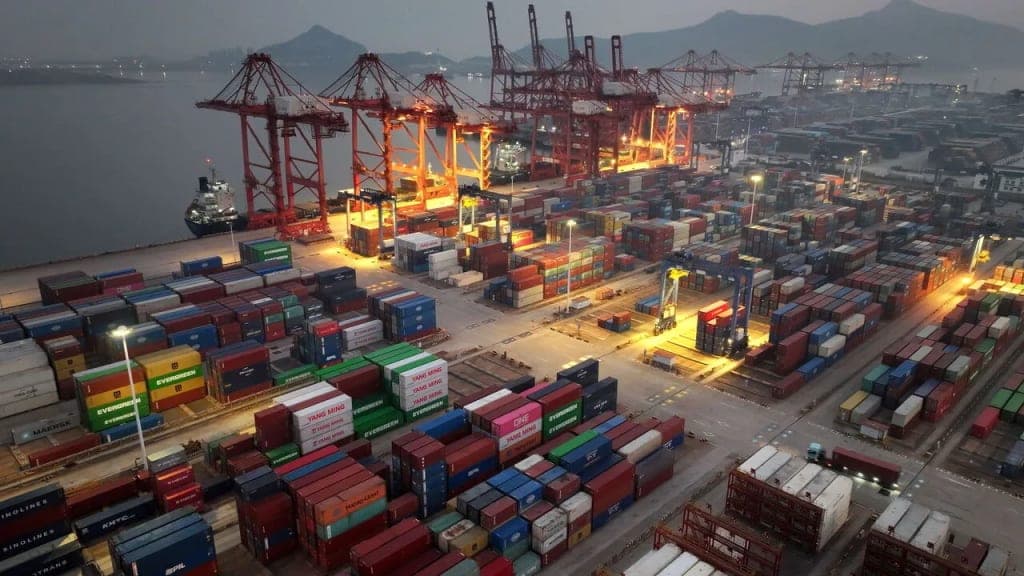
In a bid to jumpstart its sluggish consumer economy, China has unleashed a massive wave of trade-in subsidies, sparking a retail frenzy in home appliances and digital gadgets.
The policy is simple but effective: pay people to throw away the old and buy the new. By expanding the eligible categories to 12—including dishwashers and robotic cleaners—and offering subsidies of up to 15% (capped at 500 yuan or approx. KES 9,000 for digital products), Beijing is directly injecting liquidity into the retail sector.
The impact has been immediate. Retailers like Suning and JD.com are reporting surging sales as consumers rush to upgrade smartphones and refrigerators. This is "Keynesian economics" with Chinese characteristics—using state funds to artificially boost demand when organic confidence is low.
The success of this program offers a fascinating case study for Kenyan policymakers. With our own manufacturing sector struggling, a similar "scrap-and-replace" policy for vehicles or electronics could simultaneously clean up the environment and boost local assembly plants. However, unlike Beijing, Nairobi lacks the fiscal firepower to subsidize consumption on such a scale.
For now, the winners are the Chinese middle class, who are getting a state-sponsored discount on their next iPhone or Haier fridge, proving that sometimes, the best way to save an economy is to go shopping.
Keep the conversation in one place—threads here stay linked to the story and in the forums.
Sign in to start a discussion
Start a conversation about this story and keep it linked here.
Other hot threads
E-sports and Gaming Community in Kenya
Active 9 months ago
The Role of Technology in Modern Agriculture (AgriTech)
Active 9 months ago
Popular Recreational Activities Across Counties
Active 9 months ago
Investing in Youth Sports Development Programs
Active 9 months ago