We're loading the full news article for you. This includes the article content, images, author information, and related articles.
Former Manchester United midfielder Michael Carrick has publicly championed the club's rich history of diversity, delivering a veiled but powerful rebuke to co-owner Sir Jim Ratcliffe's recent inflammatory comments.
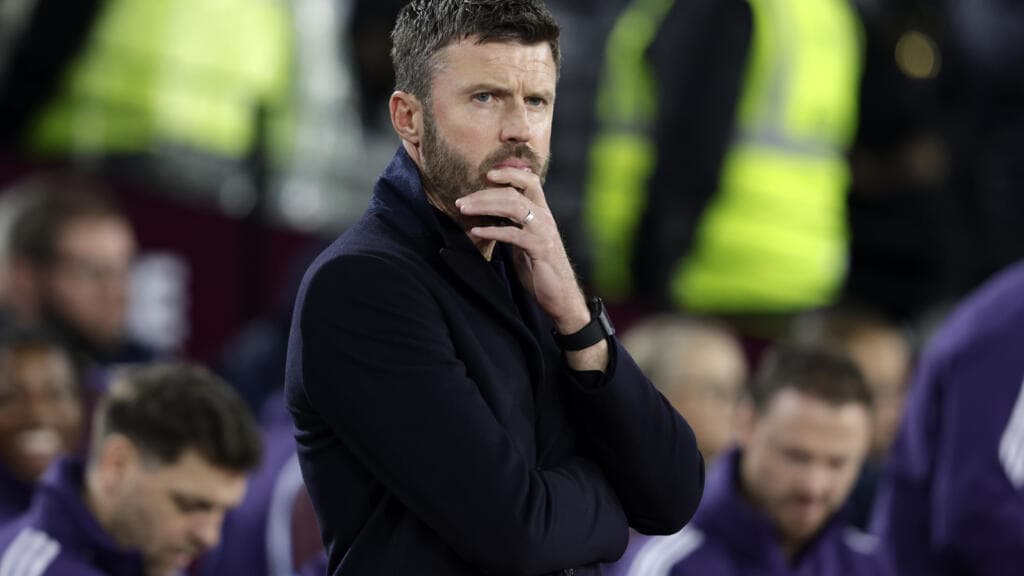
Former Manchester United midfielder Michael Carrick has publicly championed the club's rich history of diversity, delivering a veiled but powerful rebuke to co-owner Sir Jim Ratcliffe's recent inflammatory comments regarding immigrants, a narrative closely monitored by the massive United fanbase in Kenya.
The intricate and often volatile intersection of elite football, corporate ownership, and sociopolitical rhetoric has once again taken center stage at Manchester United.
Following deeply controversial remarks made by the club's co-owner, Sir Jim Ratcliffe, regarding immigration, former midfield maestro Michael Carrick has stepped forward to mount a staunch defense of the institution's foundational diversity.
The controversy ignited when Sir Jim Ratcliffe, a prominent figure in the club's newly restructured hierarchy, reportedly delivered a sweeping and polarizing rant concerning immigrants. The remarks, widely condemned as tone-deaf and fundamentally detached from the realities of modern globalized sport, sent shockwaves through the club's diverse fanbase and the wider footballing community. For a global brand like Manchester United, whose identity is inextricably linked to its international appeal, such exclusionary rhetoric poses a severe reputational risk.
The backlash was swift and unequivocal, highlighting the growing expectation that billionaire owners must align with the progressive values of the institutions they control. Ratcliffe's comments not only alienated segments of the supporter base but also fundamentally contradicted the lived reality of a dressing room constructed entirely upon the integration of diverse nationalities, cultures, and backgrounds. The incident exposed a glaring ideological chasm between the boardroom and the pitch.
In response, Michael Carrick, a figure deeply revered by the Old Trafford faithful for his years of distinguished service, offered a poignant counter-narrative. Without explicitly condemning Ratcliffe by name, Carrick eloquently highlighted the transformative power of diversity within the club. He emphasized that Manchester United's historical successes were not forged in isolation, but were the direct result of welcoming exceptional talent from every corner of the globe.
Carrick articulated how the amalgamation of different playing styles, cultural perspectives, and personal journeys creates a resilient and dynamic team environment. By championing this inclusivity, Carrick effectively neutralized the toxic undertones of the ownership's rhetoric, reminding fans and stakeholders alike of the true ethos that has historically propelled the club to greatness. His intervention served as a crucial stabilizing force during a period of immense public scrutiny.
This ideological clash resonates profoundly far beyond the confines of Manchester, particularly in regions like East Africa, which boasts a massive and fiercely loyal Manchester United following. For Kenyan fans, the issue of diversity and the rejection of xenophobic rhetoric is deeply personal.
The reaction from fan groups across Africa has underscored the expectation that elite football clubs must serve as beacons of integration rather than platforms for divisive political commentary.
The episode serves as a critical inflection point for Manchester United as it navigates a complex transition under new corporate leadership. It highlights the indispensable need for owners to understand and respect the cultural DNA of the institutions they acquire. Football clubs are not merely corporate assets; they are social institutions with profound cultural significance and global responsibilities.
Carrick's defense of diversity is a timely reminder that the true strength of Manchester United lies in its ability to unite disparate elements into a cohesive, world-beating force. Moving forward, the club's leadership must actively work to repair the damage caused by inflammatory rhetoric and definitively reaffirm its commitment to inclusivity.
Failure to do so risks alienating the very global community that sustains the club's monumental status in the modern sporting landscape.
Keep the conversation in one place—threads here stay linked to the story and in the forums.
Sign in to start a discussion
Start a conversation about this story and keep it linked here.
Other hot threads
E-sports and Gaming Community in Kenya
Active 9 months ago
The Role of Technology in Modern Agriculture (AgriTech)
Active 9 months ago
Popular Recreational Activities Across Counties
Active 9 months ago
Investing in Youth Sports Development Programs
Active 9 months ago