We're loading the full news article for you. This includes the article content, images, author information, and related articles.
The introduction of a revolutionary blood test capable of detecting over 50 types of cancer before symptoms appear offers a glimmer of hope for Kenya.
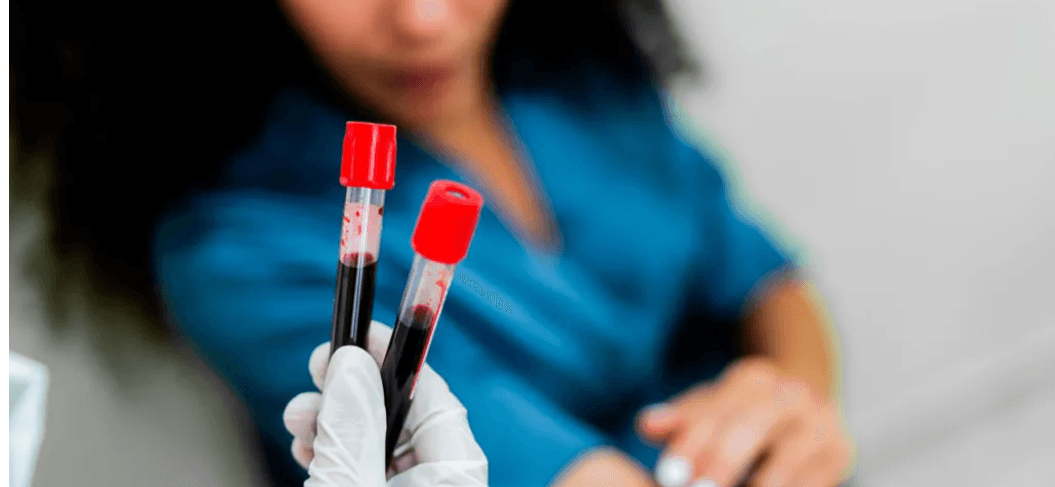
The introduction of a revolutionary blood test capable of detecting over 50 types of cancer before symptoms appear offers a glimmer of hope for Kenya, a country severely burdened by late-stage oncology diagnoses.
For decades, the word 'cancer' in Kenya has been tragically synonymous with a death sentence. This widespread fear is deeply rooted in a painful clinical reality: the vast majority of patients seek medical help only when the disease has advanced beyond the scope of curative treatment. However, a groundbreaking innovation in medical science—a simple blood test capable of detecting multiple cancers early—threatens to fundamentally flip this grim script.
With an estimated 70 to 80 percent of all cancer cases in Kenya currently diagnosed at late stages (Stage 3 and 4), the national healthcare system is perpetually fighting a losing battle. The introduction of technologies like the Galleri test, developed by American pharmaceutical firm Grail, could precipitate a paradigm shift in oncology, transitioning the focus from palliative care to early, life-saving intervention and dramatically altering the survival statistics in East Africa.
The premise of this medical breakthrough sounds like science fiction but is rooted in advanced genetics. The Galleri test operates by meticulously scanning the bloodstream for microscopic fragments of cell-free DNA (cfDNA) that have broken off from actively growing tumors. Because cancer cells shed this DNA long before a tumor grows large enough to cause physical symptoms or be detected by traditional imaging, the test provides an unprecedented early warning system.
In massive clinical trials spanning North America, the test demonstrated the astonishing ability to identify the presence of over 50 different types of cancer—many of which currently lack any routine screening protocols, such as aggressive pancreatic and ovarian cancers. Crucially, the test boasts an exceptional accuracy rate for ruling out the disease, returning a correct negative result in over 99 percent of healthy individuals, thereby minimizing the risk of false positives and unnecessary medical panic.
To understand the monumental impact such a test could have, one must examine the current oncology landscape in Kenya. According to Dr. Elias Melly, CEO of the National Cancer Institute of Kenya (NCI-K), the statistics are harrowing. Breast and cervical cancers alone account for nearly 50 percent of diagnoses among Kenyan women, yet cultural stigma, deep-seated fear, and severe access barriers prevent routine screening.
The Kenya Vital Statistics Report recently revealed that cancer has surpassed cardiovascular disease to become the second most common cause of death in the nation. Until recently, patients had to endure grueling journeys to Nairobi to access basic radiotherapy or advanced PET-scan diagnostics at facilities like Kenyatta University Teaching Referral and Research Hospital (KUTRRH). By the time a rural patient navigates the financial and logistical hurdles of reaching the capital, the cancer has often metastasized aggressively.
Integrating multi-cancer early detection (MCED) blood tests into Kenya's healthcare infrastructure would be revolutionary. It would bypass the need for expensive, localized imaging equipment in deeply rural counties. A simple blood draw at a local dispensary could be sent to a central lab, identifying high-risk patients months or even years before a tumor becomes palpable. This buys oncologists the most precious commodity in cancer care: time.
While the overall sensitivity of these tests improves with the stage of the cancer, detecting approximately 40 percent of Stage I cancers, finding even a fraction of these cases early would save thousands of lives and alleviate billions of shillings in late-stage treatment costs currently burdening the NHIF and Kenyan families.
However, technology alone cannot cure the nation. The deployment of advanced diagnostics must be paired with aggressive, culturally sensitive community education. The silence, stigma, and misinformation surrounding cancer in Kenya must be dismantled. Citizens must be encouraged to view screening not as a confirmation of death, but as a proactive assertion of life.
As Kenya continues to decentralize its cancer care—opening regional comprehensive centers in Mombasa, Garissa, and Nakuru—the eventual integration of liquid biopsies will be the ultimate weapon in the arsenal.
"We know that the earlier cancer is detected, the better the chances of survival," health experts emphasize, a universal truth that innovative blood tests are finally making a tangible reality for the developing world.
Keep the conversation in one place—threads here stay linked to the story and in the forums.
Sign in to start a discussion
Start a conversation about this story and keep it linked here.
Other hot threads
E-sports and Gaming Community in Kenya
Active 9 months ago
The Role of Technology in Modern Agriculture (AgriTech)
Active 9 months ago
Popular Recreational Activities Across Counties
Active 9 months ago
Investing in Youth Sports Development Programs
Active 9 months ago