We're loading the full news article for you. This includes the article content, images, author information, and related articles.
In a major policy shift, the government has approved a new generation of digital driving licenses featuring instant fines and a driver demerit system, moving the troubled project from the NTSA to a private consortium.
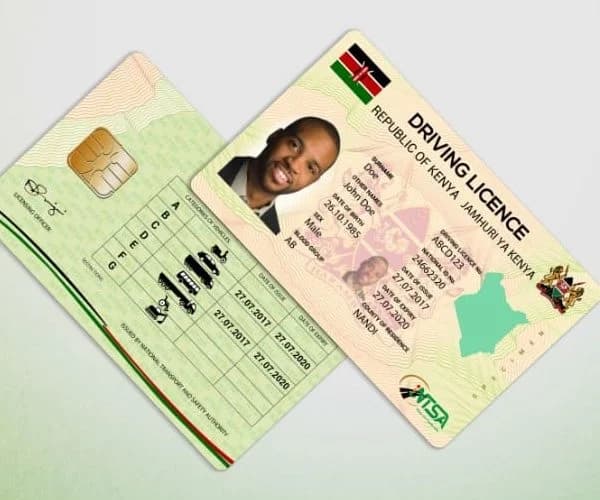
In a decisive move to tackle road carnage and streamline enforcement, President William Ruto's Cabinet has greenlit the rollout of second-generation smart driving licenses, fundamentally changing how drivers will interact with traffic laws. The approval transfers the responsibility of issuing the new licenses from the National Transport and Safety Authority (NTSA) to a private partner, a decision aimed at ending years of delays that have plagued the critical road safety project.
This new system is more than just a plastic card; it's a direct response to a worsening national crisis. As of early December 2025, Kenya had recorded 4,458 road fatalities, a grim figure that has already surpassed the total for all of the previous year. The government hopes this technological overhaul will put a dent in these numbers by fostering a new culture of discipline on the roads.
The second-generation license will be a chip-based card integrated with a suite of digital tools designed to enforce compliance and accountability. Key features for every Kenyan motorist will include:
The shift to a Public-Private Partnership (PPP) model comes after the NTSA struggled to deliver on the initial smart license program launched in 2017. According to official reports, only 2.1 million licenses have been issued against a target of five million, a failure attributed to operational challenges and frequent printer breakdowns. The Auditor-General had previously flagged the project for failing to deliver value for money.
While the Cabinet's dispatch emphasized that the PPP model will harness private sector efficiency, details of the new contract raise financial questions. Some reports indicate the new 21-year deal is valued at approximately KES 45 billion, a significant jump from the KES 2.1 billion contract awarded in 2017. This investment, the government argues, is essential for modernizing Kenya's entire transport and licensing regime.
The phased implementation will reportedly begin in major urban centers before expanding nationwide. For the average Kenyan driver, this means the days of the paper license booklet are numbered, replaced by a system where every action on the road is recorded. As the festive season approaches, a period often marked by a spike in accidents, the NTSA has continued its calls for vigilance, urging passengers to speak up against reckless driving. The true test of this new technology will be whether it can finally make that vigilance the norm, rather than the exception.
Keep the conversation in one place—threads here stay linked to the story and in the forums.
Sign in to start a discussion
Start a conversation about this story and keep it linked here.
Other hot threads
E-sports and Gaming Community in Kenya
Active 9 months ago
The Role of Technology in Modern Agriculture (AgriTech)
Active 9 months ago
Popular Recreational Activities Across Counties
Active 9 months ago
Investing in Youth Sports Development Programs
Active 9 months ago