We're loading the full news article for you. This includes the article content, images, author information, and related articles.
The Cabinet approves a historic Ksh 4.7 trillion budget for 2026/27, prioritizing recurrent spending and county transfers while grappling with a significant deficit.
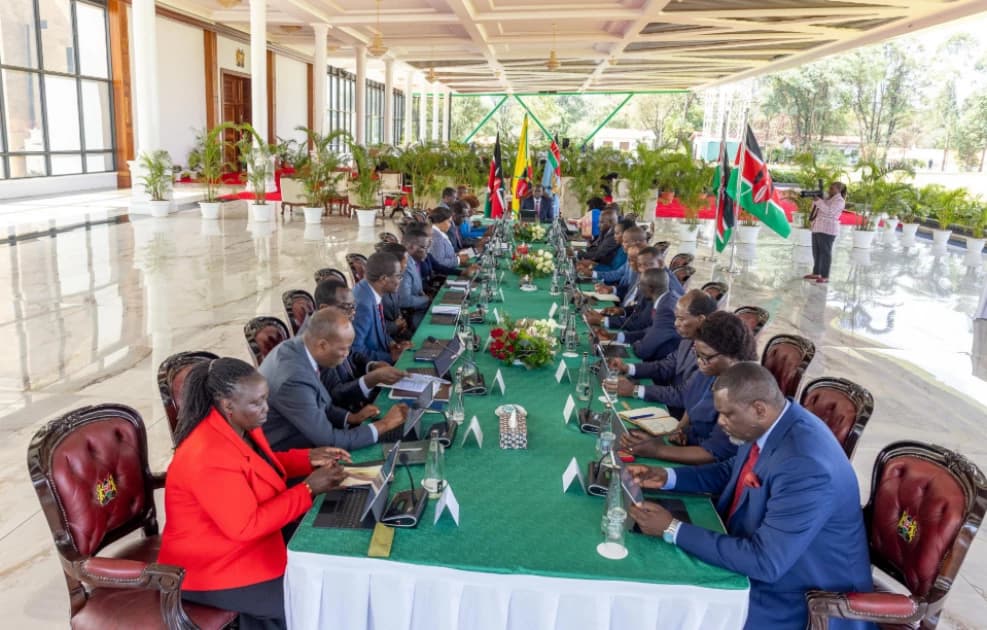
The Cabinet has stamped its seal on a record-breaking Ksh 4.7 trillion budget for the 2026/27 financial year, betting big on aggressive spending to jumpstart economic recovery.
Surpassing the current fiscal year’s estimates by Ksh 100 billion, this ambitious financial blueprint reveals a government determined to spend its way out of stagnation. However, with a projected revenue of Ksh 3.53 trillion, the administration is staring at a yawning deficit that will necessitate continued borrowing, a reality that balances the optimism of "development" with the cold hard facts of debt sustainability.
The numbers released in the Cabinet dispatch paint a picture of a delicate balancing act. While the "macroeconomic outlook remains positive"—with GDP growth projected at 5.3% in 2026—the gap between what the government earns and what it spends remains a chasm. The deficit will require "borrowing and other financing measures," a phrase that is sure to rattle markets and taxpayers alike.
Of the total expenditure, a staggering Ksh 3.46 trillion is eaten up by recurrent spending—salaries, operations, and debt service—leaving just Ksh 749.5 billion for development. This 80-20 split continues to haunt Kenya’s fiscal planning, raising questions about the true impact of the "Bottom-Up Economic Transformation Agenda" on the ground.
The budget is not just a spreadsheet; it is a statement of priorities. The Cabinet has ring-fenced critical sectors, signaling where the political capital lies for the upcoming election cycle.
This Budget Policy Statement, the fourth under the Kenya Kwanza administration, now heads to Parliament. It represents a transition from "scaled-up investments" to what the Cabinet calls "economic stability." But for the ordinary mwananchi, the proof will not be in the trillions announced, but in the prices at the pump and the shelf.
As the Division of Revenue Bill 2026 moves to the floor of the House, the battle will shift from the Cabinet room to the political arena. But one thing is clear: the government has decided that austerity is not the answer—growth, at any cost, is the goal.
Keep the conversation in one place—threads here stay linked to the story and in the forums.
Sign in to start a discussion
Start a conversation about this story and keep it linked here.
Other hot threads
E-sports and Gaming Community in Kenya
Active 9 months ago
The Role of Technology in Modern Agriculture (AgriTech)
Active 9 months ago
Popular Recreational Activities Across Counties
Active 9 months ago
Investing in Youth Sports Development Programs
Active 9 months ago