We're loading the full news article for you. This includes the article content, images, author information, and related articles.
The 100% transition policy is failing because it ties financial aid to grades, punishing poor students who struggle academically and deepening inequality.
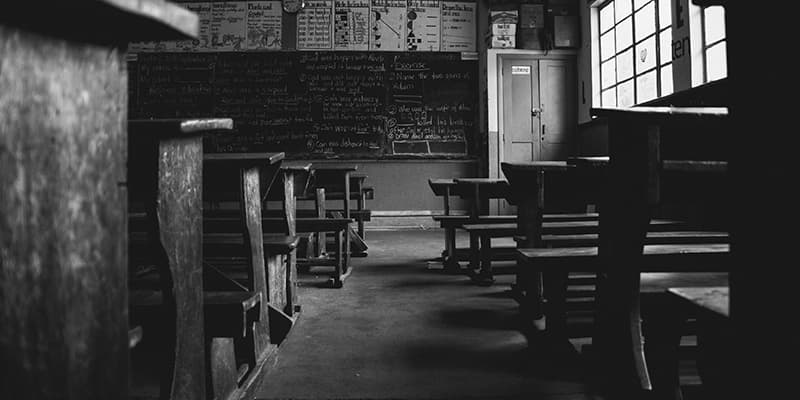
The government’s celebrated 100% transition policy was meant to be the great equalizer, but without decoupling financial support from academic grades, it has morphed into a system that penalizes poverty and entrenches inequality across the nation.
When the government announced the 100% transition policy, the logic was sound and the moral imperative clear: no child should be denied a secondary education. It was hailed as a silver bullet for illiteracy and a bridge across Kenya’s widening social chasm. However, as the dust settles, a grim reality is emerging in our schools. The policy, while noble in intent, is failing in execution because it treats unequal students as if they are running on a level playing field.
The core rot lies in the financing model. Currently, the most lucrative bursaries and scholarships are reserved for the "bright and needy"—a euphemism for students who score high marks. But this ignores a fundamental truth: academic performance is often a mirror of socioeconomic stability. A child from a slum in Nairobi or a drought-stricken village in Turkana cannot compete fairly with a child from a stable home. By tying funding to grades, we are effectively punishing poor children for the circumstances of their poverty.
Coleman Ombok, in a stinging critique, notes that we are "lumping learners into distinct groups" based on their family's bank balance rather than their potential. The student who struggles academically is often the one who needs the most support, yet they are the first to be abandoned by the system. They are pushed into Day Secondary Schools with crumbling infrastructure, while the state cheers for high enrollment numbers that mask a crisis of quality.
We are creating a lost generation of students who are in school but not learning, present but not participating. The Ministry of Education must urgently review its capitation model. If the 100% transition is to be more than a political slogan, it must be backed by 100% support for every child, regardless of their ability to memorize a syllabus.
It is time to stop celebrating the quantity of students in class and start worrying about the quality of their future. Education is a right, not a reward for being smart.
Keep the conversation in one place—threads here stay linked to the story and in the forums.
Sign in to start a discussion
Start a conversation about this story and keep it linked here.
Other hot threads
E-sports and Gaming Community in Kenya
Active 10 months ago
The Role of Technology in Modern Agriculture (AgriTech)
Active 10 months ago
Popular Recreational Activities Across Counties
Active 10 months ago
Investing in Youth Sports Development Programs
Active 10 months ago



