We're loading the full news article for you. This includes the article content, images, author information, and related articles.
**Persons with Disabilities in Bomet County feel sidelined by the very legislation designed to empower them, citing a lack of public participation and tangible support from both county and national governments.**
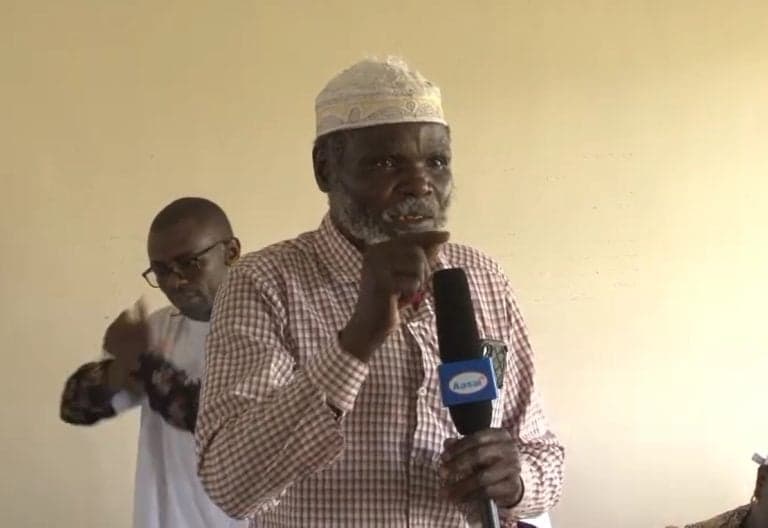
Persons with Disabilities (PWDs) in Bomet County are urging the government to proactively deliver services to them, expressing frustration over being marginalised despite the enactment of a new disability law. The community, numbering over 9,000 according to the 2019 census, voiced their concerns during the International Day of Persons with Disabilities, highlighting a disconnect between legislative promises and their daily reality.
The core of their grievance is the feeling of being overlooked. "The President recently signed the Persons with Disabilities Act 2025, and yet we here in Bomet were not involved in the public participation for this bill," lamented one community member, Peter Langat. This sentiment underscores a significant challenge: a landmark law intended for their benefit was drafted without their input, leaving them unaware of its provisions.
The Persons with Disabilities Act, 2023, which replaces the 2003 legislation, is designed to robustly enforce the rights of PWDs as enshrined in Article 54 of the Constitution. It mandates that both national and county governments reserve at least five percent of employment positions for PWDs and introduces stronger protections against discrimination. The law also requires county governments to enact their own disability-inclusion legislation and ensure all public services are accessible.
However, for many in Bomet, these legal requirements have not translated into practical support. Key challenges cited by the community include:
In response to the outcry, Bomet's County Executive Committee Member for Gender and Social Services, Benard Tanui, acknowledged the community's grievances. He assured them that the county administration is actively collaborating with the national government to address the implementation gaps. While the county's 2024/2025 development plan includes provisions for assistive devices and tools of trade for PWDs, the community emphasizes the need for urgent and direct intervention.
The national government, through agencies like the National Fund for the Disabled of Kenya (NFDK), has initiated projects in Bomet, including constructing facilities at special schools like Korara and St. Kizito. Yet, the plea from the grassroots level is for a more systematic and inclusive approach that ensures every individual feels the impact of the law.
As Busia Senator Okiya Omtatah noted, the success of the new national Act hinges on diligent implementation at the county level. For the 9,117 persons with disabilities in Bomet, the hope is that their calls for inclusion will finally bridge the gap between policy and the food on their tables.
Keep the conversation in one place—threads here stay linked to the story and in the forums.
Sign in to start a discussion
Start a conversation about this story and keep it linked here.
Other hot threads
E-sports and Gaming Community in Kenya
Active 9 months ago
The Role of Technology in Modern Agriculture (AgriTech)
Active 9 months ago
Popular Recreational Activities Across Counties
Active 9 months ago
Investing in Youth Sports Development Programs
Active 9 months ago