We're loading the full news article for you. This includes the article content, images, author information, and related articles.
In a monumental shift for regional healthcare, Tanzania has introduced a comprehensive blueprint to standardize traditional medicine, aiming to integrate ancient practices with modern medical safety protocols.
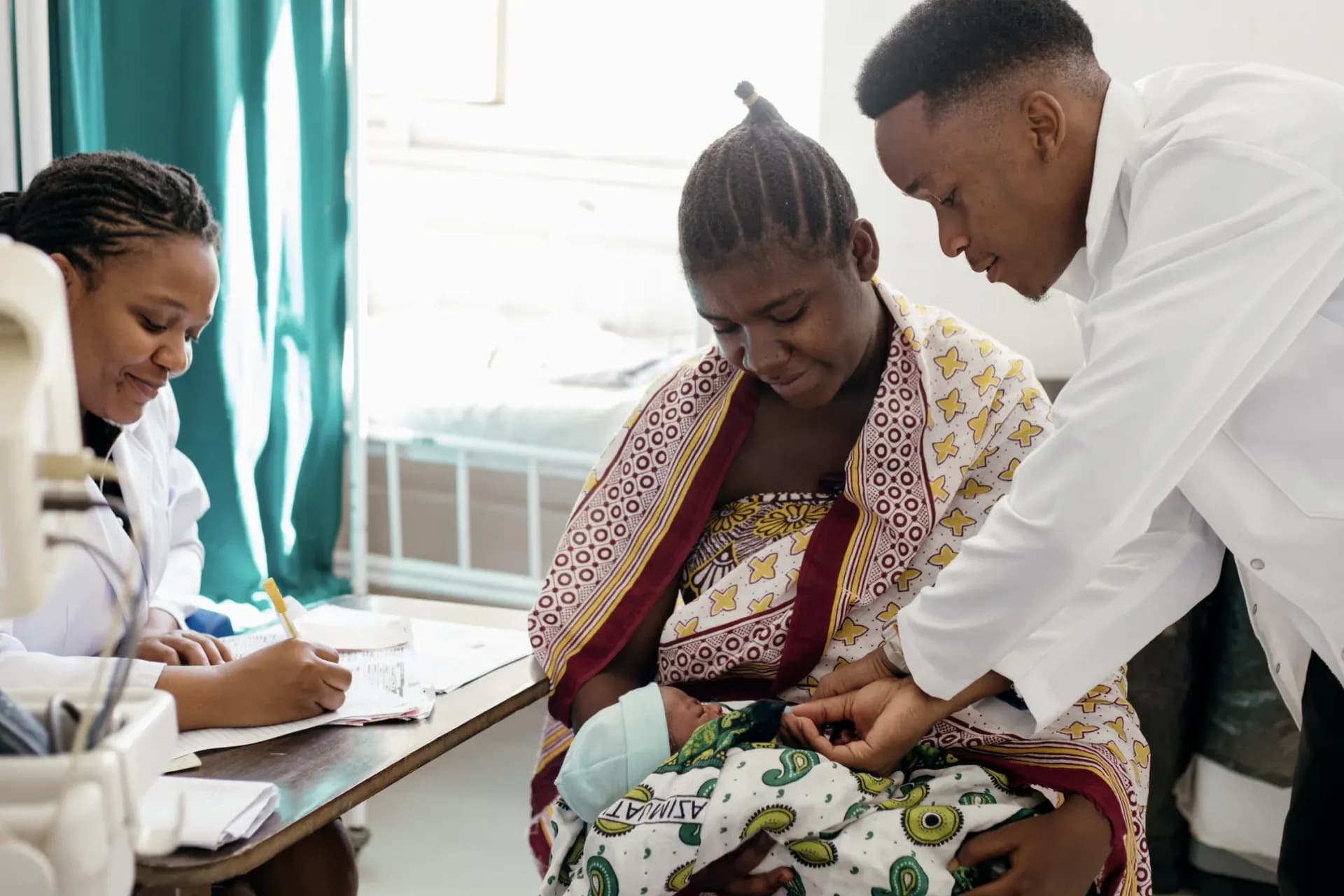
In a monumental shift for regional healthcare, Tanzania has introduced a comprehensive blueprint to standardize traditional medicine, aiming to integrate ancient practices with modern medical safety protocols.
Bridging the gap between ancestral wisdom and contemporary science, Tanzania has launched an ambitious regulatory framework designed to ensure the safety and efficacy of traditional medicinal practices nationwide.
This initiative marks a crucial turning point in East African public health. By formalizing a sector that serves millions, Tanzania is not only safeguarding public health against unregulated practices but also unlocking the immense economic and scientific potential of indigenous botanical knowledge.
For generations, traditional medicine has been the primary source of healthcare for a significant portion of the Tanzanian population. However, the lack of standardized dosages, quality control, and clinical verification has historically posed severe public health risks, including misdiagnosis and toxic side effects. The new blueprint addresses these critical vulnerabilities head-on. By establishing rigorous guidelines for the cultivation, harvesting, processing, and packaging of medicinal plants, the government aims to elevate traditional remedies to a level of verifiable pharmaceutical safety. This regulatory overhaul is not an attempt to suppress indigenous knowledge; rather, it is a strategic effort to validate it through the lens of modern science. The integration process will require extensive collaboration between traditional healers, botanists, and conventional medical practitioners. It represents a paradigm shift from viewing traditional medicine as an unscientific alternative, to recognizing it as a valuable, complementary component of the national healthcare infrastructure, provided it meets stringent safety criteria.
The standardization of traditional medicine addresses a glaring gap in the healthcare system. Many citizens rely on herbal remedies due to the inaccessibility or prohibitive costs of conventional pharmaceuticals.
Furthermore, this initiative has profound implications for combating chronic and emerging diseases. The rich biodiversity of the East African ecosystem holds countless undiscovered pharmacological compounds. By systematically documenting and analyzing these resources, Tanzania positions itself at the forefront of bioprospecting, potentially discovering novel treatments that could benefit global health. This rigorous scientific approach validates the profound knowledge held by local communities while ensuring absolute patient safety.
Beyond health outcomes, the blueprint offers substantial economic benefits. A formalized traditional medicine sector can stimulate agricultural development through the commercial cultivation of medicinal plants.
It also opens doors for the export of certified herbal products, generating vital foreign exchange. As the global demand for organic and holistic health solutions surges, Tanzania’s proactive regulatory stance provides a competitive advantage. This visionary blueprint proves that tradition and modernization need not be mutually exclusive; they can be powerful allies in the pursuit of national well-being.
"The roots of traditional healing are deep, but they must now withstand the rigorous light of modern science."
Keep the conversation in one place—threads here stay linked to the story and in the forums.
Sign in to start a discussion
Start a conversation about this story and keep it linked here.
Other hot threads
E-sports and Gaming Community in Kenya
Active 9 months ago
The Role of Technology in Modern Agriculture (AgriTech)
Active 9 months ago
Popular Recreational Activities Across Counties
Active 9 months ago
Investing in Youth Sports Development Programs
Active 9 months ago



