We're loading the full news article for you. This includes the article content, images, author information, and related articles.
A new study reveals Kenya’s coastal ecosystems are an untapped multi-billion shilling carbon sink, urging the government to pivot towards ocean climate solutions.
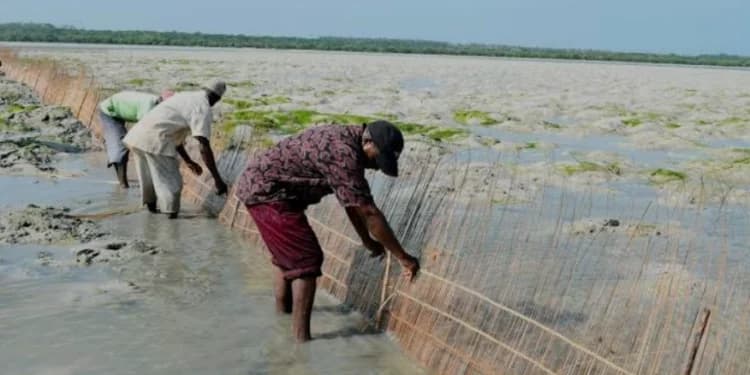
A groundbreaking new study reveals that Kenya’s coastal waters are not just a tourist playground but a multi-billion shilling carbon sink waiting to be monetized. As the world scrambles for climate solutions, the Indian Ocean coastline is emerging as Nairobi’s most undervalued asset.
For decades, Kenya’s economic gaze has been fixed firmly on the terrestrial—agriculture, infrastructure, and real estate. However, a transformative study released this week has shifted the horizon, presenting irrefutable evidence that the country’s marine ecosystem offers a more lucrative and sustainable economic lifeline. The research underscores a critical pivot point: the Indian Ocean is no longer just about sandy beaches and holidaymakers; it is a powerhouse of "blue carbon" capable of attracting billions in global climate financing.
The study highlights the immense sequestration potential of Kenya’s mangroves and seagrass meadows. Unlike terrestrial forests, these marine ecosystems capture carbon dioxide up to four times faster and store it for millennia. Yet, they remain critically underfunded and threatened by coastal development. The report suggests that by formalizing the protection and restoration of these areas, Kenya could dominate the voluntary carbon credit market in East Africa.
Experts argue that the current degradation of the coastline is akin to burning money. "We are sitting on a goldmine that cleans the planet," notes a lead researcher. "Every hectare of mangrove lost is a double tragedy: we lose the carbon storage, and we lose the natural buffer against rising sea levels that threaten Mombasa and Malindi." The economic modeling predicts that integrated ocean climate solutions could boost the coastal economy by over 15% within the next decade.
The government is now under pressure to align its climate strategy with these findings. The potential for "debt-for-nature" swaps—where Kenya’s debt is written off in exchange for marine conservation—is particularly appealing. However, this requires a paradigm shift in Nairobi, moving away from viewing the ocean merely as a transport corridor for the SGR and towards seeing it as a critical climate engine.
As the sun sets on traditional aid models, Kenya’s ocean stands ready to pay its own way. The question remains: will policymakers seize this tide, or let the opportunity drift away? "The ocean is patient," the report concludes, "but the climate crisis is not."
Keep the conversation in one place—threads here stay linked to the story and in the forums.
Sign in to start a discussion
Start a conversation about this story and keep it linked here.
Other hot threads
E-sports and Gaming Community in Kenya
Active 10 months ago
The Role of Technology in Modern Agriculture (AgriTech)
Active 10 months ago
Popular Recreational Activities Across Counties
Active 10 months ago
Investing in Youth Sports Development Programs
Active 10 months ago



