We're loading the full news article for you. This includes the article content, images, author information, and related articles.
As the agri-food giant eyes new horizons in East Africa, a damning analysis suggests Del Monte Kenya cannot move forward until it pays the price—literally and morally—for years of alleged brutality on its plantations.
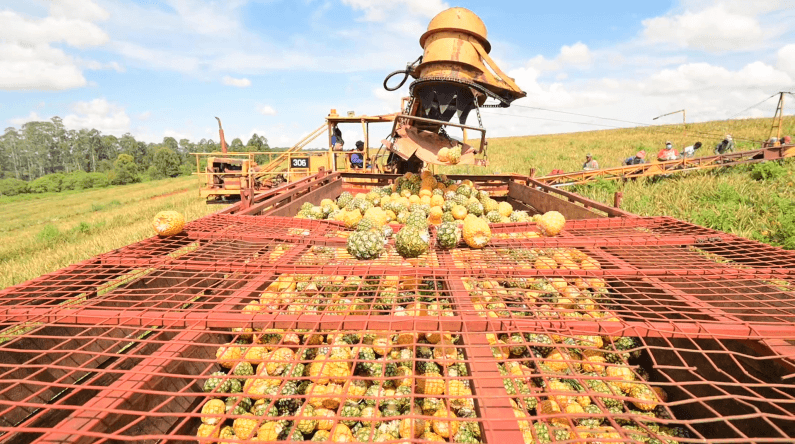
As the agri-food giant eyes new horizons in East Africa, a damning analysis suggests Del Monte Kenya cannot move forward until it pays the price—literally and morally—for years of alleged brutality on its plantations.
In the lush, spiky fields of Thika, a reckoning is underway. For decades, the Del Monte pineapple plantation has been an economic engine for Kenya, but it has also been the site of alleged horrors: beatings, rapes, and killings by security guards protecting the fruit. Now, as the company seeks to expand its footprint, a new analysis by Kiome posits that the ghost of these human rights violations is the single biggest barrier to its growth.
The equation is stark: settle the past, or forfeit the future. The company is currently engaged in high-stakes negotiations for an out-of-court settlement that could reach into the billions of shillings.
Legal representatives for the victims, including the UK firm Leigh Day and the African Centre for Corrective and Preventive Action (ACCPA), are seeking compensation estimated between KES 5 billion and KES 10 billion ($37m - $74m). This figure represents damages for over 5,000 claimants who allege they were brutalized by the company's security apparatus.
Del Monte's "Fresh" rebrand and its recruitment of a "Human Rights Manager" are steps in the right direction, but they ring hollow without material restitution. The "Kiome" analysis argues that no amount of corporate social responsibility (CSR) PR can whitewash the blood spilled in the furrows.
The case has become a litmus test for multinational accountability in Africa. Del Monte initially attempted to shield itself behind its Cayman Islands registration, claiming the parent company could not be sued in Kenya. The High Court in Thika rejected this technicality, forcing the company to the negotiating table.
The timing is critical. Del Monte's land leases are periodic political footballs. With the mounting pressure from civil society and the "Hustler" government's populist stance on land rights, the company risks losing its social license to operate. Settling the claims is not just an admission of guilt; it is a survival strategy.
The victims, many of whom live in abject poverty just meters from the export-quality fruit they are forbidden to touch, are waiting. For them, justice is not a press release about a new "welfare department"—it is cash reparations and a guarantee of safety.
"You cannot build a future empire on the broken bones of your neighbors. Del Monte must pay the debt of history before it plants a single new seedling," the analysis concludes.
Keep the conversation in one place—threads here stay linked to the story and in the forums.
Sign in to start a discussion
Start a conversation about this story and keep it linked here.
Other hot threads
E-sports and Gaming Community in Kenya
Active 9 months ago
The Role of Technology in Modern Agriculture (AgriTech)
Active 9 months ago
Popular Recreational Activities Across Counties
Active 9 months ago
Investing in Youth Sports Development Programs
Active 9 months ago