We're loading the full news article for you. This includes the article content, images, author information, and related articles.
A fourth shark attack in two days forces the closure of Australian beaches as heavy rains create a deadly hunting ground for Bull Sharks.
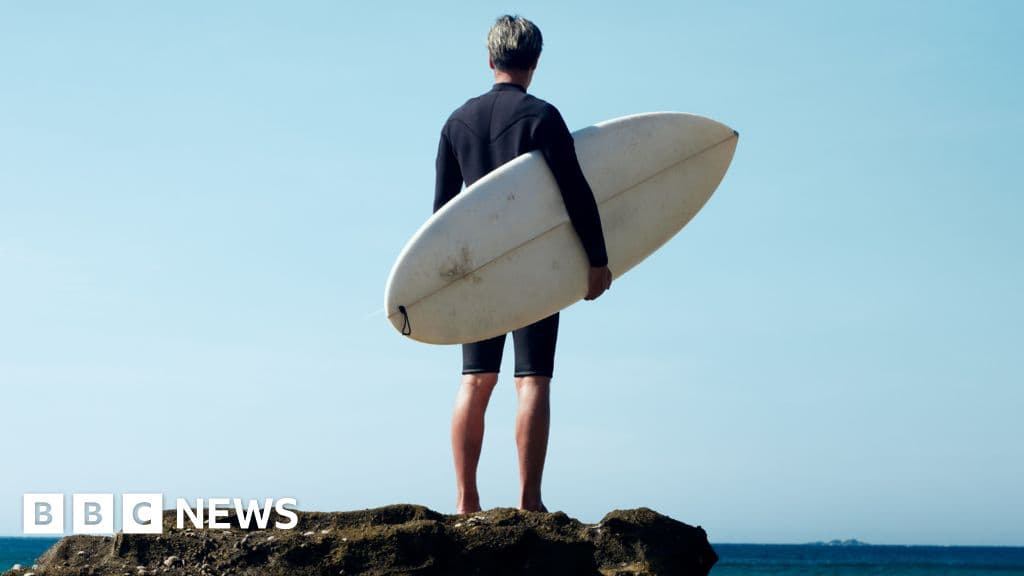
A terrifying spree of shark attacks has gripped Australia’s New South Wales coast, with a fourth victim mauled in just 48 hours. The latest incident has forced authorities to close miles of beaches, leaving the iconic surf culture in a state of paralysis.
On Tuesday morning, January 20, 2026, a 39-year-old surfer became the latest statistic. He was attacked at Point Plomer, near Crescent Head, roughly 450km north of Sydney. The shark bit through his board, inflicting cuts to his leg. While he escaped with minor injuries, the psychological toll on the community is immense. This comes hot on the heels of three other attacks in Sydney, including a 27-year-old who suffered "life-changing" injuries at Manly Beach and a 12-year-old boy critically bitten in Sydney Harbour.
Marine biologists and police are pointing to a deadly convergence of factors: heavy rains. Just as we see in Mombasa during the monsoon, heavy rainfall flushes nutrients and debris from rivers into the ocean. This creates murky water—a hunting ground for Bull Sharks, which thrive in low-visibility environments. The recent deluge in NSW has effectively turned the coastline into a buffet for these apex predators.
"If the water is dirty, don't go in," warned Steve Pearce, CEO of Surf Life Saving NSW. It is a simple rule, but one that is hard to follow for a nation addicted to the ocean. The authorities have now deployed drones and jet skis to patrol the waters, but the sharks remain elusive.
The frequency of these attacks—four in two days—is statistically anomalous. It raises uncomfortable questions about climate change and human encroachment on marine habitats. Warmer waters are pushing sharks closer to shore, and extreme weather events like the recent floods are creating the turbidity that leads to "mistaken identity" bites.
For now, the red flags remain up. The message from the lifeguards is clear: Stay dry, stay safe. The ocean is reclaiming its territory, and it is doing so with teeth.
Keep the conversation in one place—threads here stay linked to the story and in the forums.
Sign in to start a discussion
Start a conversation about this story and keep it linked here.
Other hot threads
E-sports and Gaming Community in Kenya
Active 9 months ago
The Role of Technology in Modern Agriculture (AgriTech)
Active 9 months ago
Popular Recreational Activities Across Counties
Active 9 months ago
Investing in Youth Sports Development Programs
Active 9 months ago