We're loading the full news article for you. This includes the article content, images, author information, and related articles.
Rights watchdog accuses state regulator of overseeing a 'chaotic' process where residents seeking answers were met with force instead of facts.
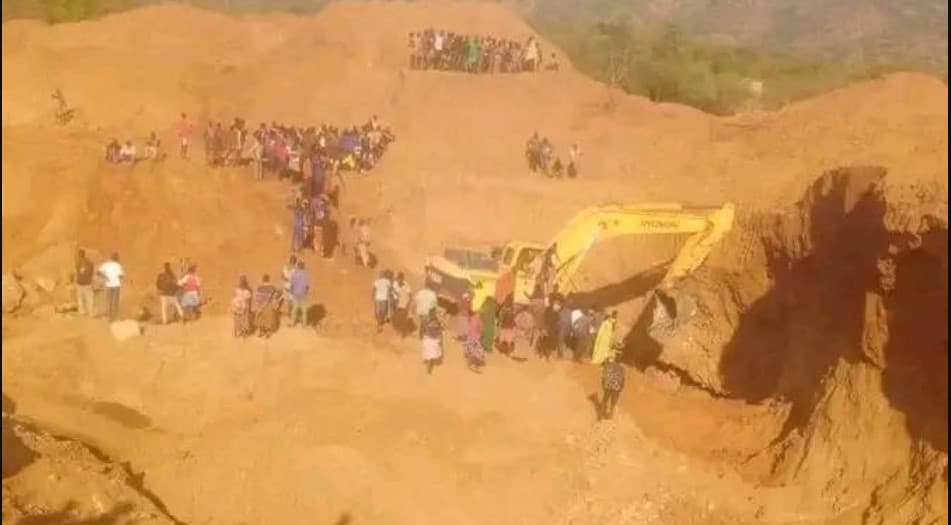
The promise of mineral wealth in Kakamega has turned perilous, prompting the Kenya Human Rights Commission (KHRC) to demand an immediate suspension of Shanta Gold’s proposed mining operations following a public forum that descended into bloodshed.
This is not merely a procedural dispute; it marks a critical flashpoint in Kenya's extractive industry. At stake is whether the quest for gold will uplift the local economy or leave a legacy of displacement and violence for the residents of Ikolomani.
The controversy centers on a public participation session held on December 4, intended to discuss the Environmental and Social Impact Assessment (ESIA). According to the KHRC, what was designed as a lawful civic engagement “degenerated into intimidation, chaos, and impunity.”
Instead of a dialogue on how the project would affect local livelihoods, the commission reports that citizens were targeted simply for demanding their rights. The aftermath was grim: reports of deaths, injuries, and arbitrary arrests have surfaced, casting a long shadow over the project's legitimacy.
The KHRC has described the incident as symptomatic of a broader, worrying trend in Kenya. Too often, communities that dare to question the environmental and social costs of multi-billion shilling projects are met with state-sanctioned force rather than answers.
Central to the commission's argument is the principle of Free, Prior, and Informed Consent (FPIC). This international standard ensures that communities are not just passive observers but active decision-makers in projects that alter their ancestral lands.
“The sovereignty of the people applies in all spheres of governance, including natural resources,” the KHRC emphasized in their statement. “Decisions on extractive projects cannot lawfully or morally proceed without consent from the communities directly affected.”
The watchdog has leveled heavy criticism against the National Environment Management Authority (NEMA), accusing the regulator of failing its primary mandate: to ensure a transparent and safe environment for public discourse.
The KHRC has issued a strict set of demands to the environmental agency to restore public trust:
As the dust settles in Kakamega, the message from the human rights body is clear: economic development cannot be purchased at the cost of human life. The commission warned that proceeding without addressing these violations would be an affront to the constitution.
Keep the conversation in one place—threads here stay linked to the story and in the forums.
Sign in to start a discussion
Start a conversation about this story and keep it linked here.
Other hot threads
E-sports and Gaming Community in Kenya
Active 9 months ago
The Role of Technology in Modern Agriculture (AgriTech)
Active 9 months ago
Popular Recreational Activities Across Counties
Active 9 months ago
Investing in Youth Sports Development Programs
Active 9 months ago