We're loading the full news article for you. This includes the article content, images, author information, and related articles.
The Solana-based BLOKS NFT collection is experiencing shifting floor prices and market caps, reflecting a mature digital asset space that holds profound lessons for Kenya's burgeoning Web3 ecosystem.
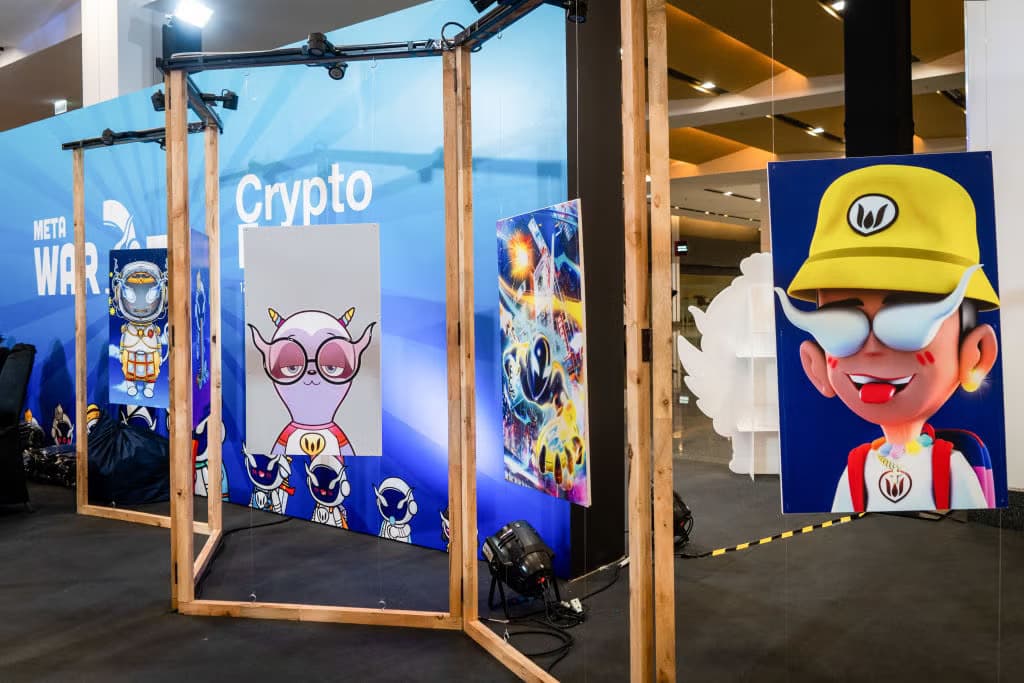
The Solana-based BLOKS NFT collection is experiencing shifting floor prices and market caps, reflecting a mature digital asset space that holds profound lessons for Kenya's burgeoning Web3 ecosystem.
The digital asset market continues to demonstrate intense volatility, with the BLOKS Non-Fungible Token (NFT) collection recently recording a floor price of $7.58 (approx. KES 980) and a daily trading volume slump.
This granular market movement is highly indicative of broader trends within the global blockchain industry. As speculative hype fades, digital collections are being subjected to rigorous valuation metrics, a shift that directly impacts how emerging tech hubs in East Africa navigate the complex landscape of tokenized assets.
BLOKS represents a unique intersection of digital art and cryptographic proofing. Operating on the high-speed Solana blockchain, the collection consists of exactly 2,222 uniquely generated 3D-style block NFTs. Unlike traditional mints, BLOKS utilized an agent-first minting process reliant on SHA-256 proof-of-work.
Despite its technical pedigree, the collection's market performance reveals the harsh realities of the current NFT winter. With a total market capitalization hovering around $16,840 (approx. KES 2.18 million), the project is a far cry from the multi-million-dollar valuations seen during the peak hype cycle of 2021 and 2022.
Currently held by 733 unique owners, the collection's 24-hour trading volume has dwindled to near insignificance on major platforms like Magic Eden. This stagnation suggests that retail investors are increasingly cautious, shifting their liquidity away from speculative profile picture (PFP) projects and towards utility-driven digital assets.
While specific collections like BLOKS struggle for momentum, the wider NFT ecosystem is witnessing a nuanced, selective recovery. Recent market intelligence indicates a robust 94 per cent surge in overall NFT market capitalization, reaching nearly $7 billion (approx. KES 906 billion) in recent months.
This resurgence is not evenly distributed. Blue-chip collections and highly engaged communities are monopolizing the capital influx. Projects such as Pudgy Penguins have notably surpassed legacy collections like the Bored Ape Yacht Club (BAYC) in market cap, driven by aggressive brand building and intellectual property expansion.
This data highlights a critical market maturation: capital is flowing toward projects that demonstrate tangible ecosystem development rather than mere artificial scarcity.
For Kenya, a nation actively cultivating its "Silicon Savannah" reputation, these global NFT trends offer vital strategic insights. Kenyan developers and digital artists have shown immense enthusiasm for blockchain technologies, viewing them as tools for financial inclusion and global market access.
However, the performance of collections like BLOKS serves as a cautionary tale. To build sustainable Web3 enterprises, East African creators must move beyond the superficial allure of speculative NFTs. The focus must shift toward Real World Asset (RWA) tokenization, decentralized finance (DeFi) integrations, and digital art that offers genuine utility or cultural resonance.
Furthermore, regulatory clarity remains a significant hurdle. As the Central Bank of Kenya (CBK) continues to scrutinize digital currencies, local innovators must ensure their blockchain projects are resilient against global market shocks and compliant with emerging domestic frameworks.
The era of guaranteed returns on digital JPEGs is definitively over. Investors and creators alike are now operating in a landscape that demands extreme due diligence, technical innovation, and robust community engagement.
The fluctuations of the BLOKS collection are not an isolated failure but a symptom of a market aggressively correcting itself. As the industry purges unsustainable projects, the foundation is being laid for a more robust and equitable digital economy.
"The true value of a digital asset is no longer determined by its minting algorithm, but by the undeniable utility it provides to its community," concludes a prominent blockchain analyst.
Keep the conversation in one place—threads here stay linked to the story and in the forums.
Sign in to start a discussion
Start a conversation about this story and keep it linked here.
Other hot threads
E-sports and Gaming Community in Kenya
Active 9 months ago
The Role of Technology in Modern Agriculture (AgriTech)
Active 9 months ago
Popular Recreational Activities Across Counties
Active 9 months ago
Investing in Youth Sports Development Programs
Active 9 months ago