We're loading the full news article for you. This includes the article content, images, author information, and related articles.
The women’s hockey team secures vital Olympic funding, but with a crumbling City Park stadium and a KES 1.6m annual trickle, the road to Los Angeles demands more than just survival tactics.
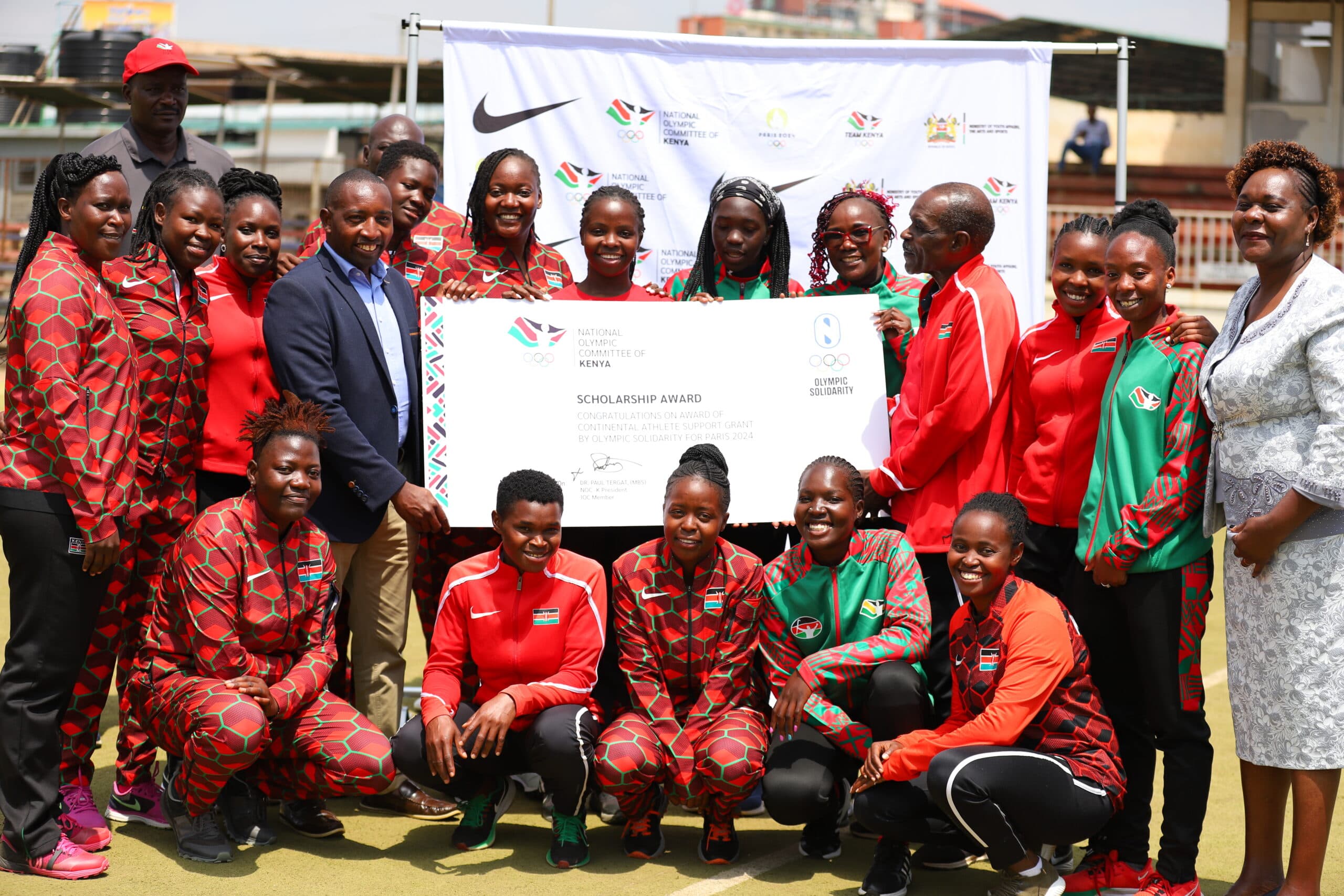
The Kenya women’s hockey team, the Blades, has just received a KES 6.5 million ($50,000) nod of faith from the International Olympic Committee (IOC). But before the champagne corks pop at the Kenya Hockey Union (KHU) headquarters, a sober reality check is in order: this windfall, spread over four years, amounts to a mere KES 1.6 million annually—hardly enough to fuel a serious continental campaign, let alone an Olympic dream.
This scholarship is a double-edged sword. On one side, it is a resounding validation of a squad that recently clinched bronze at the 2025 Africa Cup of Nations in Egypt. On the other, it exposes the gaping financial void that Kenya’s second-best team in Africa must navigate daily.
Let’s do the math. The IOC’s grant, part of the “LA 2028 Scholarship” programme, breaks down to roughly KES 135,000 per month for the entire team. In the high-stakes world of modern sport, where a single international trip can cost upwards of KES 5 million, this funding is akin to bringing a knife to a gunfight.
While Head Coach Meshack Senge has rightly hailed the support as a “game-changer” for planning training camps, the burden now shifts heavily to the KHU. The union can no longer hide behind the excuse of lacking seed capital. The question is no longer about starting the journey to Los Angeles 2028, but sustaining it without relying solely on this external drip-feed.
Perhaps the most glaring contradiction in this narrative is the stage upon which these potential Olympians perform. The City Park Hockey Stadium, once the cathedral of Kenyan hockey, has deteriorated into a treacherous eyesore. Its turf is worn, its facilities neglected, and it poses a genuine injury risk to the very assets—the players—that the IOC is trying to protect.
A scholarship can buy kits and tickets, but it cannot fix a broken home. In 2020, the KHU floated an ambitious KES 150 million rehabilitation plan for the stadium. Five years later, that plan remains as cold as the concrete terraces of City Park. Without a world-class surface, the Blades are training for Formula 1 on a murram road.
Captain Lynne Tamunai, who led the squad to their podium finish in Ismailia, represents a generation of players who have defied the odds. “We have grown since Birmingham,” she noted, referencing the team’s Commonwealth Games debut. “This support allows us to build a stronger, more competitive unit.”
Her optimism must be matched by administrative competence. The KHU must now draft an astute, commercially viable blueprint that goes beyond government handouts. The corporate sector, too, must see the Blades not as a charity case, but as a premium national brand that has consistently delivered results despite chronic underfunding.
The IOC has lit the match. It is now up to the Kenya Hockey Union and local partners to provide the fuel. If they don't, this KES 6.5 million will not be a launchpad for Los Angeles, but a severance package for another generation of wasted talent.
Keep the conversation in one place—threads here stay linked to the story and in the forums.
Sign in to start a discussion
Start a conversation about this story and keep it linked here.
Other hot threads
E-sports and Gaming Community in Kenya
Active 9 months ago
The Role of Technology in Modern Agriculture (AgriTech)
Active 9 months ago
Popular Recreational Activities Across Counties
Active 9 months ago
Investing in Youth Sports Development Programs
Active 9 months ago