We're loading the full news article for you. This includes the article content, images, author information, and related articles.
Voting in Uganda is marred by a nationwide internet shutdown and biometric kit failures as Bobi Wine alleges rigging while Museveni predicts a landslide victory.

Kampala has fallen silent. In a move that has sent shockwaves through the East African Community, voting in Uganda’s pivotal general election is underway amidst a total nationwide internet blackout, casting a long, opaque shadow over President Yoweri Museveni’s bid to extend his 40-year grip on power.
As millions of Ugandans queued under the scorching sun on Thursday, the air was thick not just with heat, but with tension. The incumbent, 81-year-old Yoweri Museveni, has already declared an expected victory margin of 80%—a figure he touts with certainty "if there is no cheating." Yet, his main challenger, the pop-star-turned-politician Bobi Wine (Robert Kyagulanyi), is already crying foul, alleging widespread biometric failure, ballot stuffing, and the abduction of polling agents. This isn’t just an election; it is a stress test for democracy in the Great Lakes region.
The voting process, designed to be a showcase of modern efficiency, stumbled right out of the gate. In a moment dripping with irony, President Museveni himself was initially unable to vote. The biometric voter verification kits (BVVK), imported to ensure transparency, failed to recognize the head of state’s fingerprints at his polling station in Karo High School.
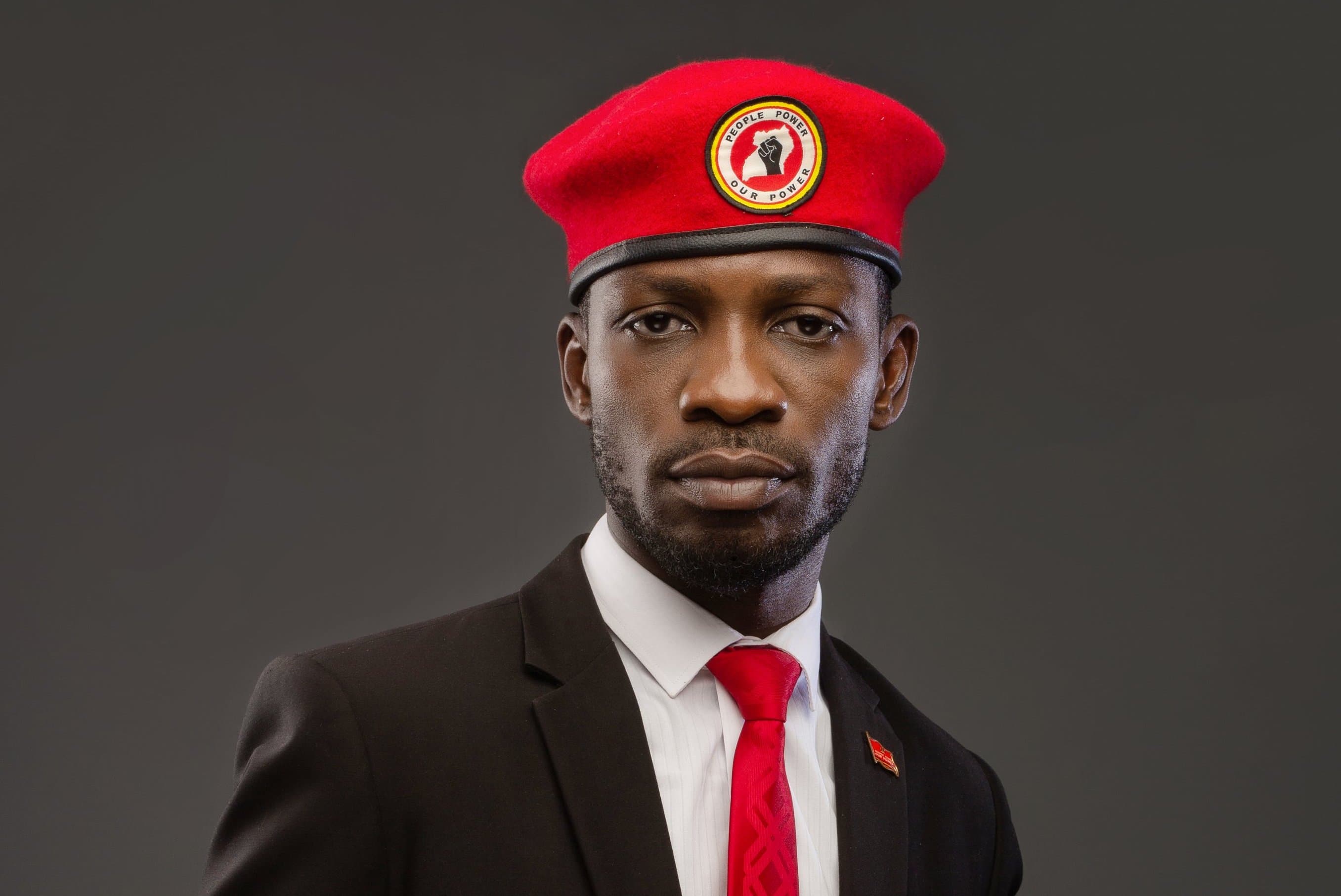
Speaking from his home in Magere, which has effectively served as a fortress under military surveillance, Bobi Wine remained defiant. "The world is watching," he told reporters via a sporadic satellite link. "They have shut down the internet to hide their crimes, but the people are awake. We are seeing pre-ticked ballots in the west and north. This is not an election; it is a coronation ceremony trying to look like a contest."
The stakes for Kenya are immense. A destabilized Uganda disrupts the primary trade route to the hinterland—Rwanda, South Sudan, and DRC. With trucks already piling up at the Busia and Malaba borders due to uncertainty, the economic aftershocks of a contested result will be felt in Nairobi within days.
Security remains visibly heavy. Military armored personnel carriers (APCs) are patrolling the streets of Kampala, a stark reminder of the violence that marred the campaign period. For Museveni, this show of force is necessary to maintain order against "foreign-backed agents of chaos." For his critics, it is the final argument of a regime that has run out of ideas.
As counting begins in the dark—literally and metaphorically—the region holds its breath. Museveni may be confident of his 80%, but in a country where the average age is 16 and the thirst for change is palpable, the silence imposed by the state may soon be broken by the roar of the street.
Keep the conversation in one place—threads here stay linked to the story and in the forums.
Sign in to start a discussion
Start a conversation about this story and keep it linked here.
Other hot threads
E-sports and Gaming Community in Kenya
Active 9 months ago
The Role of Technology in Modern Agriculture (AgriTech)
Active 9 months ago
Popular Recreational Activities Across Counties
Active 9 months ago
Investing in Youth Sports Development Programs
Active 9 months ago
Key figures and persons of interest featured in this article