We're loading the full news article for you. This includes the article content, images, author information, and related articles.
Investigative report on how boda boda syndicates are fueling deforestation in Kajiado, smuggling charcoal to Nairobi and accelerating the region’s environmental collapse.
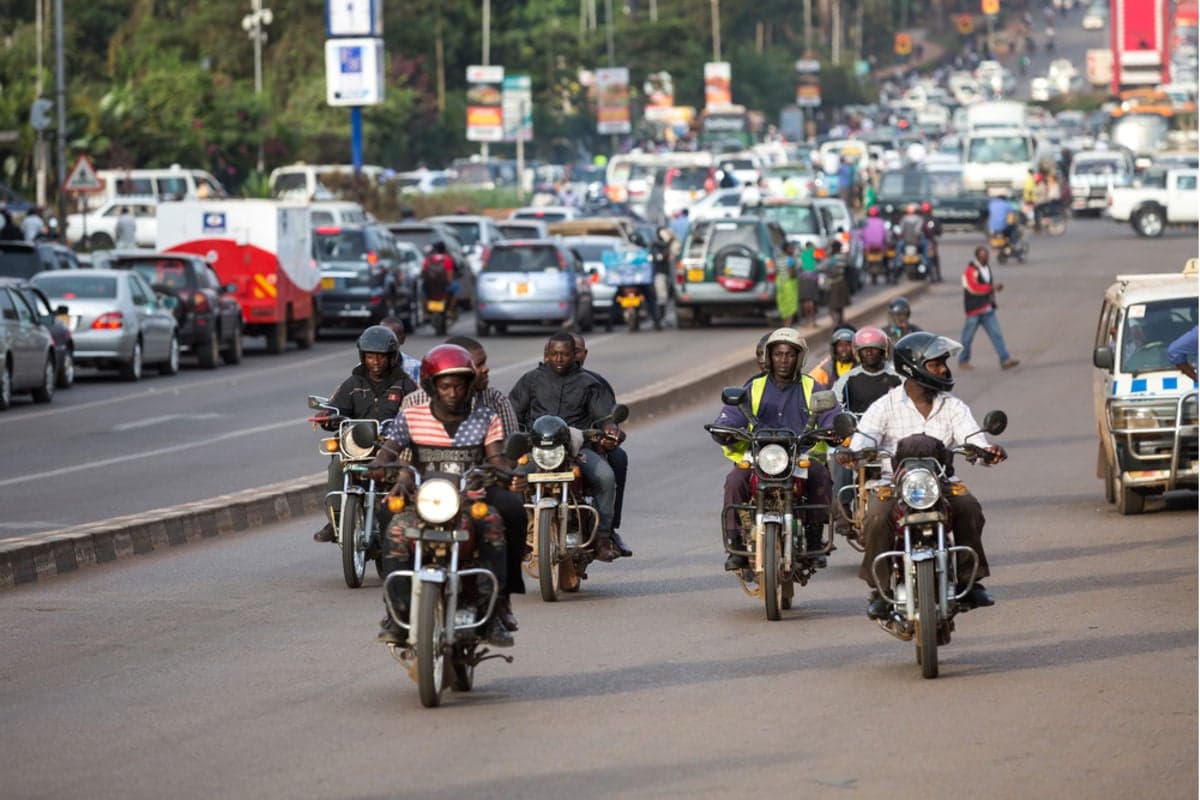
Deep in the acacia woodlands of Kajiado County, an environmental catastrophe is unfolding—slowly, quietly, and largely out of sight. The unlikely engine of this destruction is not a logging truck or a commercial lorry, but the most ubiquitous machine on Kenya’s roads: the boda boda.
Every day, convoys of motorcycles snake through the bush, each one stacked high with sacks of charcoal. They avoid highways and police roadblocks, slipping through panya routes—narrow paths etched into the landscape by desperation and profit. Their destination is Nairobi. Their cargo is Kajiado’s future, burned tree by tree.
For years, enforcement agencies focused on intercepting trucks ferrying illegal charcoal. The trade adapted. What cannot pass a roadblock can pass a footpath.
A single motorcycle can carry up to five bags of charcoal, weaving through terrain inaccessible to vehicles. Multiply that by hundreds of riders operating daily, and the scale becomes staggering. This decentralised supply chain is harder to police, cheaper to run, and devastatingly effective.
The resurgence of charcoal is being driven by a harsh economic reality: the soaring cost of cooking gas. As LPG prices climb beyond the reach of many urban households, Nairobi has reverted to biomass fuel. The city’s kitchens are burning, but the smoke is rising from rural counties.
For communities in Kajiado, the consequences are immediate and existential.
“We are cutting down our rain,” says Ole Nkedianye, a local elder. His words are not poetic exaggeration. Acacia trees play a critical role in anchoring soil, regulating water cycles, and moderating temperatures in this semi-arid landscape. They take decades to mature. They are felled in minutes.
The result is a brutal cycle:
When it rains, there are flash floods because nothing holds the soil.
When it doesn’t, the land becomes a dust bowl, accelerating drought.
What was once grazing land is slowly turning hostile to both livestock and people.
At the heart of the crisis lies a painful moral conflict.
In Nairobi, a bag of charcoal can fetch up to KES 2,500. For an unemployed youth in Kajiado, making three trips a day earns more than a casual labourer might make in a week. In a county where opportunities are scarce and hunger is real, environmental protection becomes an abstract luxury.
This is not environmental vandalism driven by ignorance. It is economic survival colliding with ecological collapse.
The boda boda riders are the visible layer of the trade. Behind them sit well-organised charcoal cartels—brokers who finance production, control distribution, and allegedly grease palms along the enforcement chain.
These networks operate with near impunity. Forest rangers are compromised. Local administrators look the other way. Enforcement is sporadic and symbolic. The result is a multi-million-shilling industry that externalises its costs onto the land and the future.
Environmentalists are calling for a ban on charcoal transport by boda boda, arguing that the current loophole has turned motorcycles into weapons of mass deforestation. But enforcement alone cannot solve the problem.
As long as:
Urban households lack affordable clean energy
Rural youth lack alternative livelihoods
Corruption shields the real profiteers
…the trade will adapt, not disappear.
This is a systems failure, not a policing failure.
Kajiado is burning so Nairobi can cook.
The irony is cruel. Urban consumers rarely see the landscapes being stripped bare for their daily meals. The environmental cost is outsourced, invisible, and politically convenient. But the consequences—climate instability, food insecurity, and conflict over shrinking resources—will not stay rural forever.
Kajiado’s acacias are not just trees. They are infrastructure. Climate defence. Livelihood insurance.
And they are disappearing on two wheels.
Keep the conversation in one place—threads here stay linked to the story and in the forums.
Sign in to start a discussion
Start a conversation about this story and keep it linked here.
Other hot threads
E-sports and Gaming Community in Kenya
Active 9 months ago
The Role of Technology in Modern Agriculture (AgriTech)
Active 9 months ago
Popular Recreational Activities Across Counties
Active 9 months ago
Investing in Youth Sports Development Programs
Active 9 months ago