We're loading the full news article for you. This includes the article content, images, author information, and related articles.
A new investigation alleges the world's largest crypto exchange processed billions in suspicious funds, even after a landmark settlement designed to stop such activities, raising alarms for Kenyan users.
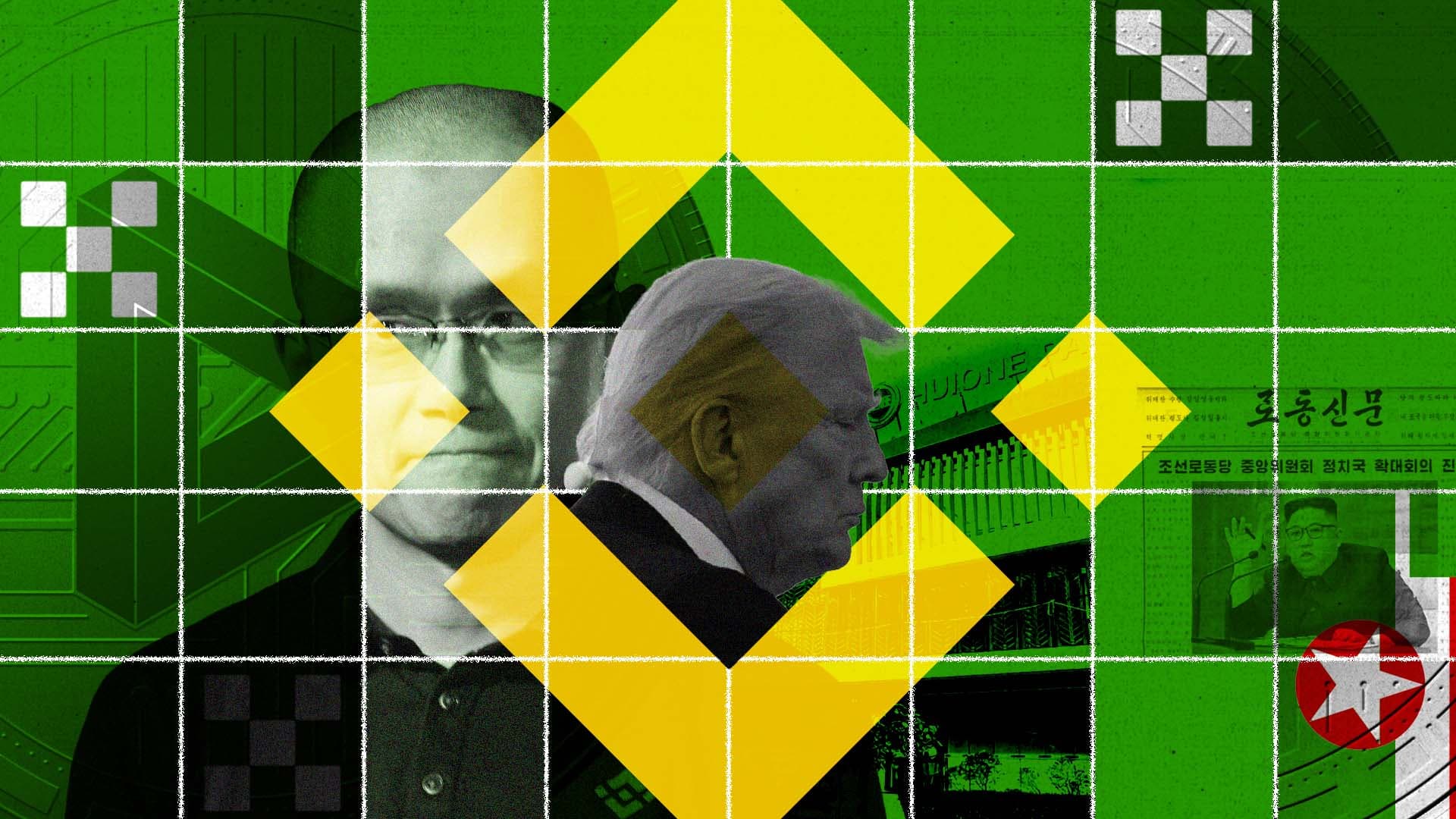
Global cryptocurrency giant Binance is facing intense new scrutiny after a bombshell Financial Times report alleged the exchange continued to process high-risk transactions despite a massive plea deal with U.S. authorities.
For the millions of Kenyans who use platforms like Binance for savings, remittances, and investments, these revelations raise urgent questions about the safety of their funds. The allegations suggest that internal controls, promised after a historic $4.3 billion (approx. KES 554 billion) settlement in 2023 for anti-money laundering failures, may not be protecting users from illicit financial activities.
The investigation, based on leaked internal files, detailed approximately $1.7 billion (approx. KES 219 billion) in transactions across 13 suspicious accounts since 2021. Crucially, an estimated $144 million (approx. KES 18.5 billion) of this activity occurred *after* the November 2023 plea deal.
Compliance experts cited in the report noted obvious warning signs that should have triggered alarms. These included:
In a statement, Binance rejected the allegations as "grotesquely sensationalist" and insisted it maintains "strict compliance controls and a zero-tolerance approach to illicit activity."
The controversy is compounded by recent political developments in the United States. Former Binance CEO Changpeng “CZ” Zhao, who was sentenced to four months in prison for his role in the compliance failures, received a presidential pardon from Donald Trump in October 2025. The White House stated the pardon was to correct an "overly prosecuted case by the Biden administration in their war on cryptocurrency."
However, critics have pointed to a potential conflict of interest, highlighting deepening business ties between Binance and the Trump family. A Trump family venture, World Liberty Financial, issues the USD1 stablecoin, which has become increasingly integrated into Binance's operations, including a $2 billion (approx. KES 258 billion) investment into the exchange settled in USD1.
For Kenyan crypto users, the combination of lax controls and high-stakes politics creates a volatile environment. As Kenya finalizes its own crypto regulations under the Virtual Asset Service Providers Bill, the Binance case serves as a stark reminder of the risks in the global digital asset market and the critical need for robust local oversight to protect consumers.
Keep the conversation in one place—threads here stay linked to the story and in the forums.
Sign in to start a discussion
Start a conversation about this story and keep it linked here.
Other hot threads
E-sports and Gaming Community in Kenya
Active 9 months ago
The Role of Technology in Modern Agriculture (AgriTech)
Active 9 months ago
Popular Recreational Activities Across Counties
Active 9 months ago
Investing in Youth Sports Development Programs
Active 9 months ago