We're loading the full news article for you. This includes the article content, images, author information, and related articles.
The billionaire space race has entered a new orbit. Blue Origin, the aerospace company founded by Amazon’s Jeff Bezos, has unveiled "TeraWave," a massive satellite constellation designed to rival Elon Musk’s Starlink.
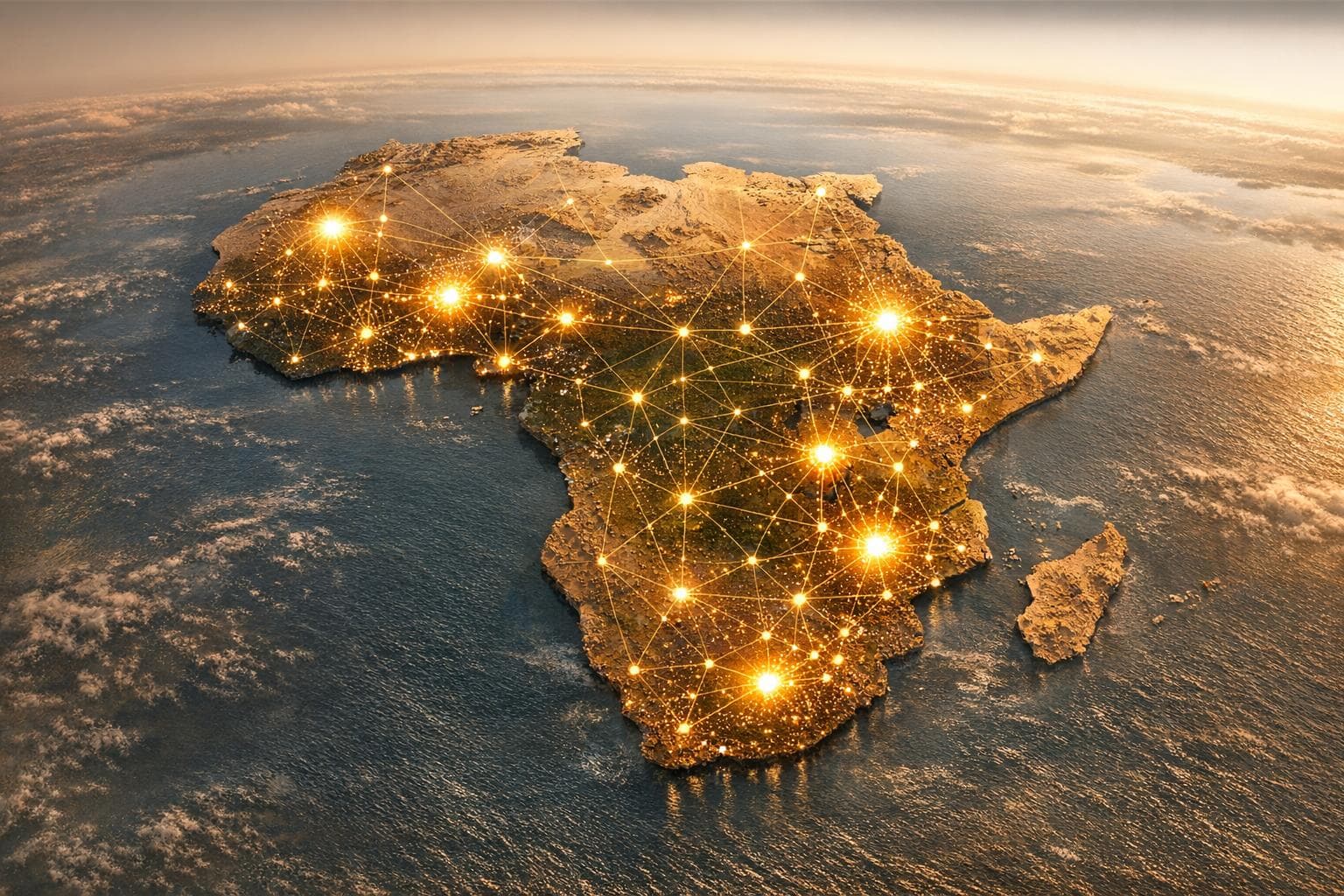
The billionaire space race has entered a new orbit. Blue Origin, the aerospace company founded by Amazon’s Jeff Bezos, has unveiled "TeraWave," a massive satellite constellation designed to rival Elon Musk’s Starlink. The announcement signals a high-stakes battle for control of the orbital internet market.
Blue Origin plans to launch over 5,400 satellites to create a low-Earth orbit (LEO) network capable of beaming high-speed internet to every corner of the globe. However, unlike Starlink’s direct-to-consumer model, TeraWave is taking a different trajectory, targeting data centers, governments, and large enterprises with distinctively higher bandwidth demands.
The selling point of TeraWave is raw speed. Blue Origin claims the network will offer upload and download speeds of up to 6 terabits per second—dwarfing the current capabilities of commercial satellite services. This "fiber-in-the-sky" approach is designed for the age of AI and big data, where moving massive datasets across continents instantly is a premium requirement.
"We are not just building a network; we are building the backbone of the future orbital economy," a Blue Origin spokesperson stated. "TeraWave will do for space data what fiber optics did for the terrestrial internet."
The announcement raises fresh concerns about orbital congestion. With Starlink, Kuiper, and now TeraWave planning to deploy tens of thousands of satellites, low-Earth orbit is becoming a celestial traffic jam. Astronomers and space safety experts warn that the risk of collisions—and the resulting "Kessler Syndrome" of cascading debris—is growing exponentially.
Despite the risks, the commercial logic is undeniable. The demand for connectivity is insatiable. For Kenyan businesses, the prospect of having multiple providers fighting for their data traffic promises lower costs and better reliability. The internet of the future will not be underground; it will be overhead.
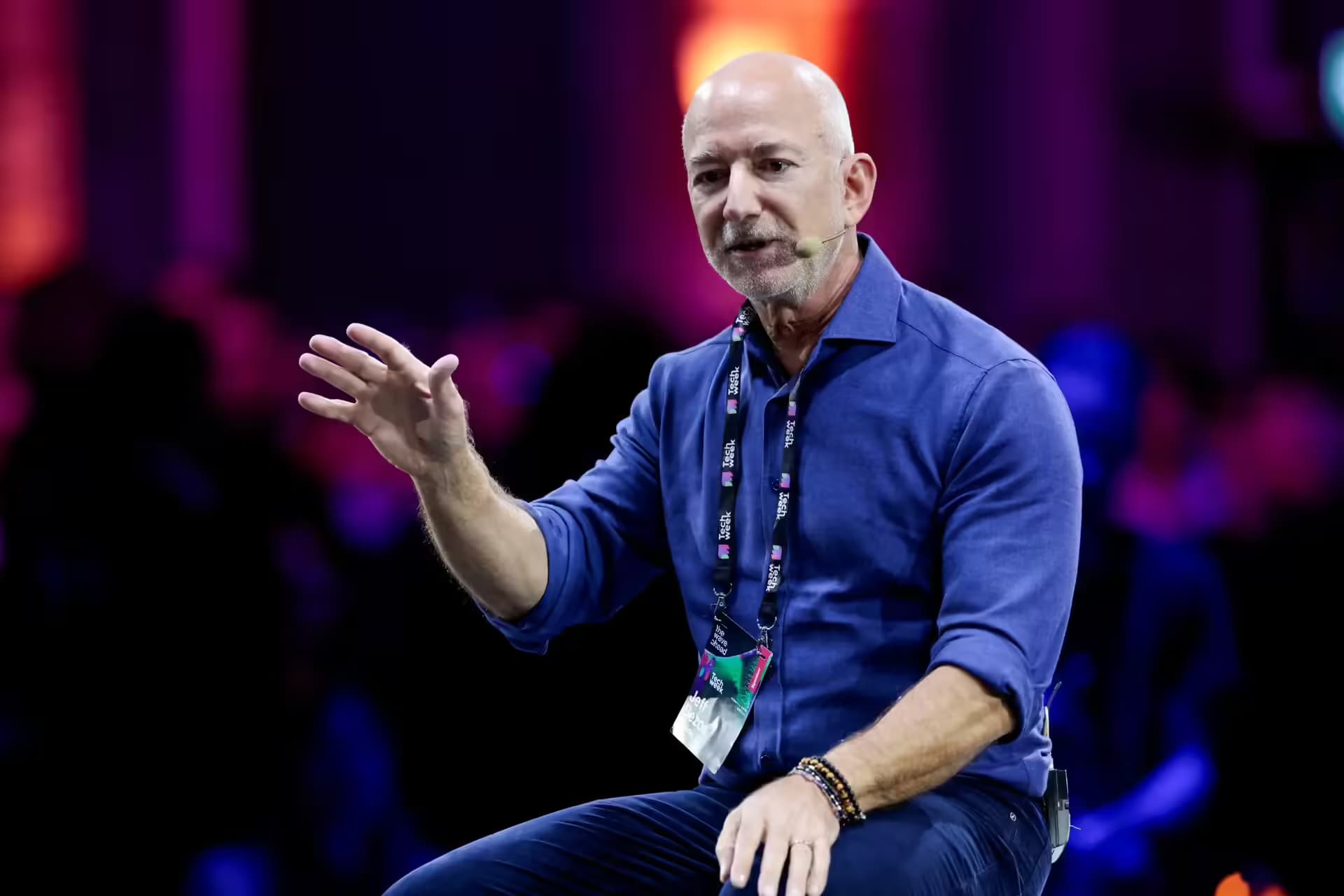
Jeff Bezos may have stepped down from Amazon, but his ambition clearly hasn't retired. With TeraWave, he is betting that the person who controls the flow of information in space will control the economy of Earth.
Keep the conversation in one place—threads here stay linked to the story and in the forums.
Sign in to start a discussion
Start a conversation about this story and keep it linked here.
Other hot threads
E-sports and Gaming Community in Kenya
Active 9 months ago
The Role of Technology in Modern Agriculture (AgriTech)
Active 9 months ago
Popular Recreational Activities Across Counties
Active 9 months ago
Investing in Youth Sports Development Programs
Active 9 months ago
Key figures and persons of interest featured in this article