We're loading the full news article for you. This includes the article content, images, author information, and related articles.
As the 16 Days of Activism conclude, the speeches stop but the violence doesn't. With over 129 women killed in just the first quarter of 2025, the crisis demands a 365-day war, not a seasonal skirmish.
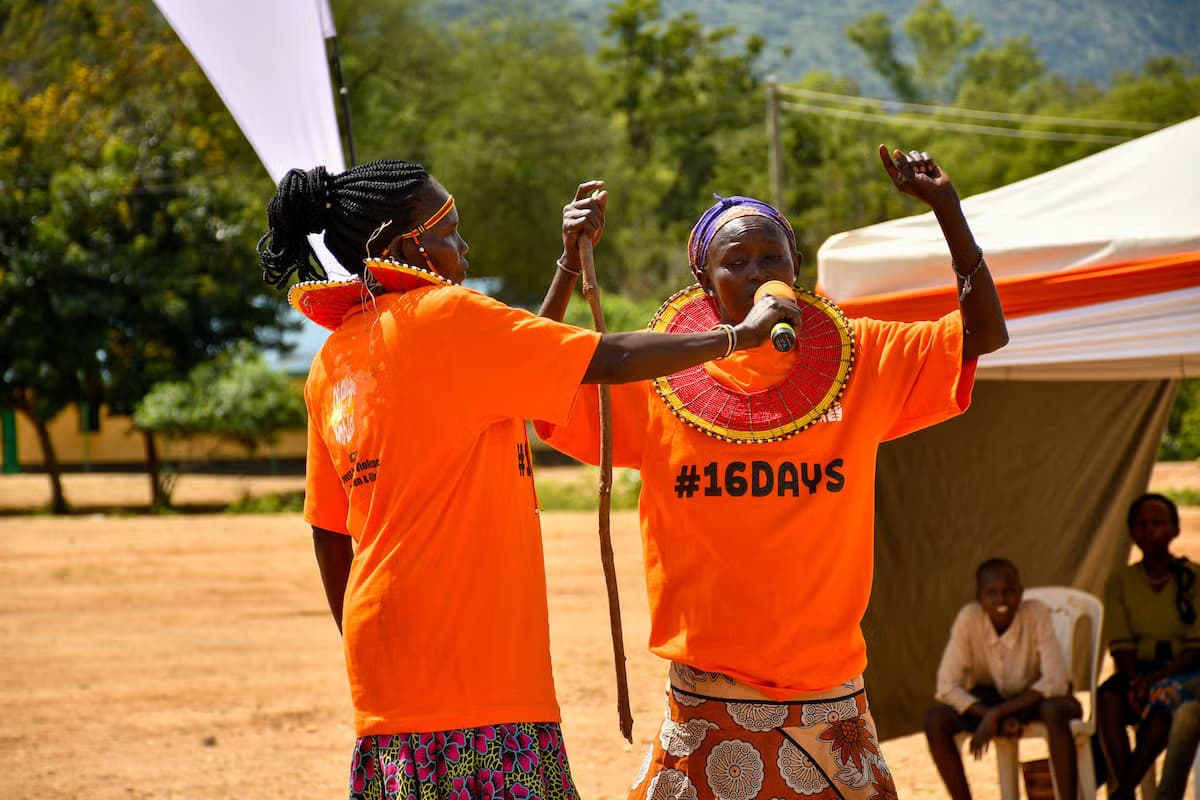
The orange banners are coming down in Nairobi. The hashtags are fading from the trending lists. For the past 16 days, politicians and CEOs have worn ribbons, pledged solidarity, and condemned the scourge of Gender-Based Violence (GBV). But for women like Sarah Wambui, who survived 38 stab wounds from a partner only to see him walk free, the end of the campaign marks the return of a terrifying silence. The speeches may be over, but the danger is not.
This annual ritual—the 16 Days of Activism—risks becoming a sedative for the national conscience. We mourn, we march, and then we move on. Yet, the reality on the ground refuses to adhere to a two-week calendar. The violence living inside Kenyan homes does not pause for the holidays; in fact, data suggests it often escalates when the cameras turn away.
The statistics for 2025 are not just numbers; they are an indictment of our collective failure. Between January and March alone, 129 women were killed in Kenya—a rate of more than one murder every single day. By comparison, 579 femicide cases were recorded in the entirety of 2024. The trajectory is lethal, and the perpetrators are rarely strangers lurking in the dark.
This year’s global theme, “UNiTE to End Digital Violence,” struck a nerve in a hyper-connected Kenya. While physical violence grabs headlines, a quieter, insidious war is being fought on smartphones. Cyberbullying, non-consensual sharing of intimate images, and online stalking have become the new weapons of choice for abusers.
“The digital space has become a crime scene,” notes a report from the National Gender and Equality Commission. For young Kenyan women, the threat of 'leaked nudes' is often used as leverage to silence them or extort compliance, creating a psychological prison that exists long before a physical blow is struck.
The government’s response has been heavy on bureaucracy and light on funding. The establishment of a 42-member Presidential Task Force was met with skepticism by activists who argued that we do not need more reports—we need shelters. Currently, most counties in Kenya lack a single state-funded safe house for survivors.
“We cannot end GBV through legislation alone,” warned Minister Sindisiwe Chikunga during a regional address. The gap between the law and its enforcement is where victims fall through. Police stations often lack gender desks, and when they do exist, they are frequently understaffed or manned by officers who view domestic disputes as 'private family matters.'
For too long, the fight against GBV has been outsourced to NGOs and foreign donors. It is time for Kenya’s corporate sector to step into the ring. This is not just about Corporate Social Responsibility (CSR); it is about the bottom line. When an employee is beaten at home, they bring that trauma to work—or they don’t show up at all.
Kenyan companies must move beyond tokenism. This means enforcing strict anti-harassment policies, offering paid leave for survivors to attend court or seek medical help, and funding the shelters that the government has failed to build. If the private sector can mobilize billions for a marathon, it can surely spare resources to save the lives of its own workforce.
As we step away from the 16 Days, the true test begins. The orange ribbons are easy to wear; the hard work is in the unglamorous, daily grind of holding perpetrators accountable and funding support systems.
Njoki Gachanja, a human rights defender, put it best: “This is a catastrophe... numbers may sound staggering, but we know there are more people who have not been covered by the headlines.” Until the safety of a Kenyan woman is treated with the same urgency as a national security threat, the count will continue to rise. The campaign is over. The fight has just begun.
Keep the conversation in one place—threads here stay linked to the story and in the forums.
Sign in to start a discussion
Start a conversation about this story and keep it linked here.
Other hot threads
E-sports and Gaming Community in Kenya
Active 9 months ago
The Role of Technology in Modern Agriculture (AgriTech)
Active 9 months ago
Popular Recreational Activities Across Counties
Active 9 months ago
Investing in Youth Sports Development Programs
Active 9 months ago



