We're loading the full news article for you. This includes the article content, images, author information, and related articles.
A groundbreaking initiative by Wolverhampton Council and Children North East has laid bare the silent, corrosive impact of poverty on education, revealing that the barrier to learning is often not the curriculum, but the cost of dignity.
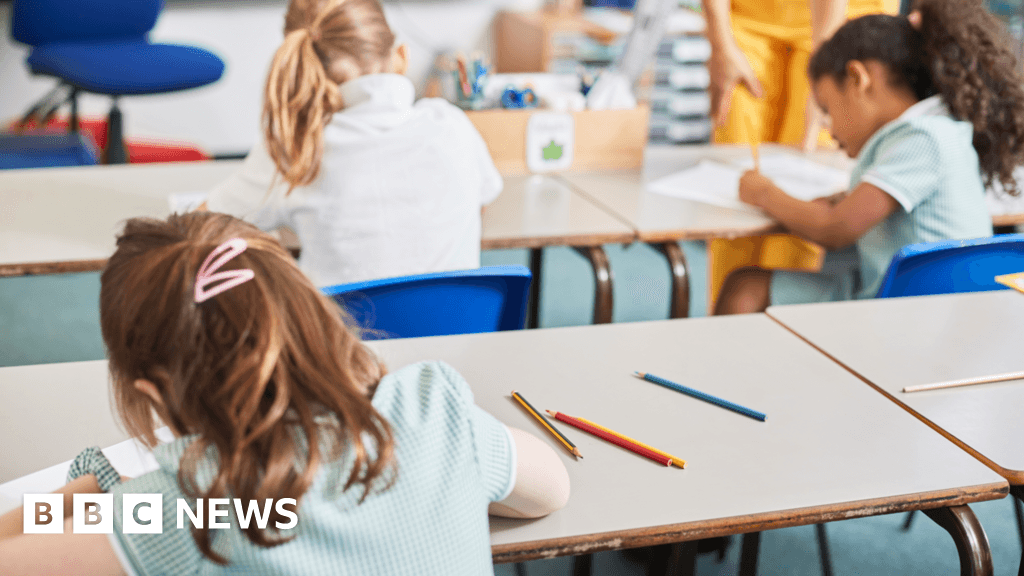
A groundbreaking initiative by Wolverhampton Council and Children North East has laid bare the silent, corrosive impact of poverty on education, revealing that the barrier to learning is often not the curriculum, but the cost of dignity.
In the quiet corridors of Wolverhampton schools, a revolution is brewing—not of technology, but of empathy. The "Poverty Proofing" project, which has spent the last six months auditing ten schools, has moved beyond the lazy metrics of free school meals to investigate the subtle mechanics of exclusion. The findings are a damning indictment of how modern education systems, inadvertently, penalize the poor.
The research highlights that "participation" is a luxury good. A child doesn't just miss a music lesson because they lack talent; they miss it because they cannot rent the instrument. They don't skip the field trip because they hate history; they skip it because the "voluntary contribution" feels like a mandatory debt their parents cannot pay. The Council’s discovery is that poverty in schools is not just about hunger—it is about the systematic erosion of a child's belonging.
For the East African reader, this narrative strikes a visceral chord, though the scales differ. In Kenya, the data is even more stark. Recent analysis reveals a harrowing gap: while Central Kenya boasts literacy and enrolment rates nearing 90%, the North Eastern and Coastal regions—plagued by historical marginalization and deep poverty—lag significantly behind. In some counties, the dropout rate for the "hardcore poor" is double that of their wealthier peers.
However, the core mechanism is identical. Whether it is a student in Wolverhampton unable to afford a school blazer or a pupil in Kilifi unable to buy a geometrical set, the result is the same: academic withdrawal. The "hidden costs" of education act as a gatekeeper, filtering out potential not based on merit, but on the financial resilience of the household.
The Wolverhampton model offers a blueprint for Kenyan policymakers. The solution is not merely "free education" on paper, but "cost-neutral education" in practice.
As the Wolverhampton project concludes, it leaves us with a universal truth: Education is a right, but access remains a privilege. Until we dismantle the financial tollgates within our school gates, "Education for All" will remain a slogan, not a reality.
Keep the conversation in one place—threads here stay linked to the story and in the forums.
Sign in to start a discussion
Start a conversation about this story and keep it linked here.
Other hot threads
E-sports and Gaming Community in Kenya
Active 9 months ago
The Role of Technology in Modern Agriculture (AgriTech)
Active 9 months ago
Popular Recreational Activities Across Counties
Active 9 months ago
Investing in Youth Sports Development Programs
Active 9 months ago