We're loading the full news article for you. This includes the article content, images, author information, and related articles.
**Anuradha Mittal, the activist chair of the ice cream maker's independent board, has been removed after accusing its new parent company of a smear campaign, escalating a battle for the brand's soul.**
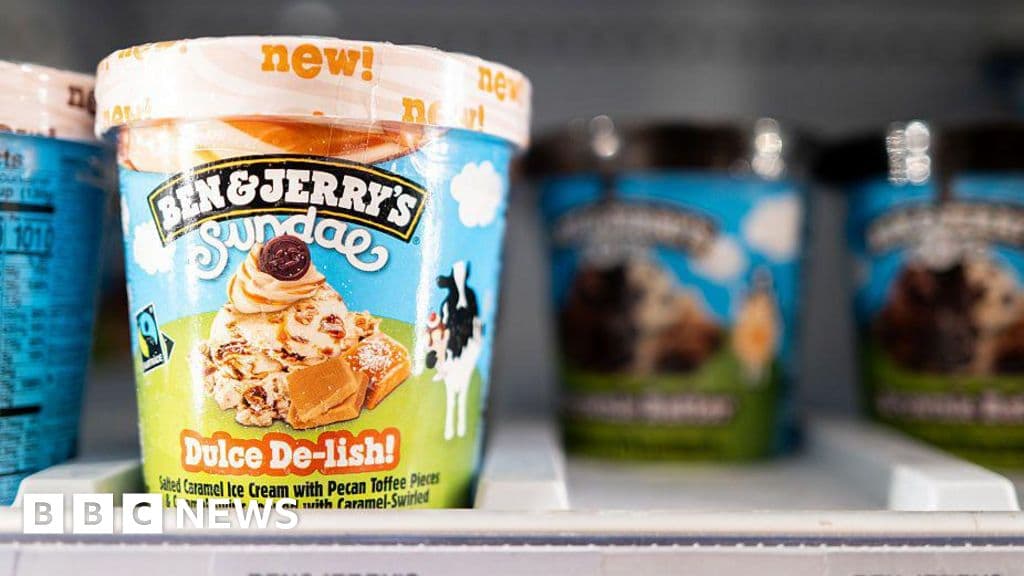
The ousted chair of Ben & Jerry's has accused its corporate owner of orchestrating a "smear campaign" to remove her, the latest move in an escalating war over the ethical mission of the iconic ice cream brand.
This high-stakes corporate battle, pitting a board's fierce independence against its multinational parent, offers a critical lesson for Kenya's growing social enterprise sector on the challenges of balancing profit with purpose. It raises the question: can a company truly serve a social mission after being absorbed by a giant?
Anuradha Mittal, who chaired the independent board for seven years, was removed after the brand's new parent, The Magnum Ice Cream Company (TMICC), imposed a nine-year term limit on board members. This followed an internal investigation which, according to the parent company, found Mittal "no longer met the criteria" to serve on the board. Mittal has dismissed the inquiry as a "fabricated investigation aimed at discrediting my reputation."
The conflict strikes at the heart of a unique agreement made when consumer goods giant Unilever bought Ben & Jerry's in 2000. The deal established an independent board with the authority to protect the brand's social mission and integrity, a structure that has frequently clashed with its corporate owners. Tensions have flared over the board's activism, including its decision to halt sales in the Occupied Palestinian Territory, which the parent company opposed.
The parent company, recently spun off from Unilever, also cited an audit of the Ben & Jerry's Foundation that it claimed identified "material deficiencies in financial controls, governance and...conflicts of interest." Mittal and her supporters, including co-founder Ben Cohen, have labeled the moves a "blatant power grab" designed to silence the board's activism.
For Kenyans, this is more than a foreign boardroom drama. Unilever, the former parent company, has a vast presence in the country, manufacturing household staples like Blue Band, Royco, and Omo. The company has invested heavily in Kenya, establishing a regional hub and a high-tech warehouse in Nairobi. The governance crisis raises questions about how multinational corporations manage the ethical commitments of the brands they acquire.
The Ben & Jerry's model is a case study for Kenyan entrepreneurs aiming to build businesses with a social conscience. The current struggle highlights the inherent friction and offers a cautionary tale. As multinational investment grows across East Africa, the ability of local and acquired brands to maintain their founding values will be a key measure of corporate integrity.
The future of Ben & Jerry's unique governance structure is now uncertain. This dispute will likely set a precedent for how much autonomy a socially-conscious brand can retain under a corporate umbrella, a question that will resonate with business leaders and consumers here in Kenya.
Keep the conversation in one place—threads here stay linked to the story and in the forums.
Sign in to start a discussion
Start a conversation about this story and keep it linked here.
Other hot threads
E-sports and Gaming Community in Kenya
Active 9 months ago
The Role of Technology in Modern Agriculture (AgriTech)
Active 9 months ago
Popular Recreational Activities Across Counties
Active 9 months ago
Investing in Youth Sports Development Programs
Active 9 months ago