We're loading the full news article for you. This includes the article content, images, author information, and related articles.
Northern Ireland`s Communities Minister Gordon Lyons criticizes Sinn Féin as a £17m energy support package for struggling households remains in limbo.
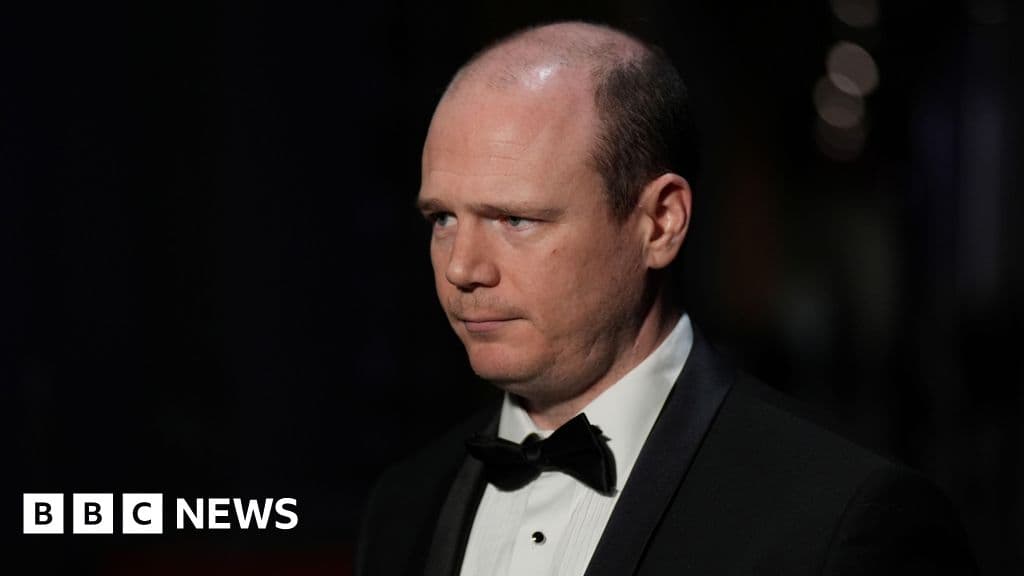
The biting chill of a Northern Irish winter rarely respects political boundaries, yet a critical lifeline designed to warm struggling households remains frozen in a deepening standoff between Stormont’s leading political factions. At the center of the friction is a £17 million (approximately KES 3.5 billion) support package intended to provide urgent relief for residents grappling with volatile oil heating bills, a resource that has yet to reach a single pocket.
The dispute has escalated from regional policy disagreement to a public confrontation on the international stage. During the Ireland Funds Gala in Washington DC, Communities Minister Gordon Lyons launched a sharp rebuke against Sinn Féin, accusing the party of avoiding its governance responsibilities. As households across the region weigh the cost of heating against the cost of basic subsistence, the delay highlights a recurring systemic failure: the inability of the devolved executive to convert central government funding into immediate, effective social protection.
Minister Lyons, speaking from the sidelines of the prestigious diplomatic event in the United States, described the position held by Sinn Féin regarding the distribution of the energy fund as fundamentally bizarre. The minister argued that the political party is attempting to abdicate its duty by distancing itself from the administrative mechanisms required to deliver the aid. For observers of Northern Ireland’s complex governance structure, the narrative is painfully familiar: a reliance on legislative maneuvering when citizens require logistical execution.
The £17 million package, while significant, is merely a fraction of what advocacy groups suggest is required to insulate the populace from the volatility of global oil markets. Lyons himself acknowledged that the current allocation is insufficient, describing it as a necessary start rather than a comprehensive solution. His instructions to officials to collaborate with other departments underscore the fragmented nature of the local government, where silos often impede the swift transfer of funds to those most in need.
The administrative paralysis in Belfast reflects a broader challenge faced by energy-importing regions globally. When international supply chains dictate local pricing, domestic governments are often left with the impossible task of subsidizing energy costs while managing strict budgetary constraints. However, the current deadlock in Northern Ireland serves as a stark case study on the dangers of political finger-pointing during times of economic distress.
Economists and policy analysts note that successful social intervention relies on the seamless integration of finance, social development, and infrastructure departments. When ministers operate in isolation, citing a lack of departmental mandate to justify inaction, the result is a systemic failure that leaves vulnerable populations—particularly the elderly and low-income families in rural areas—in a state of persistent anxiety. The refusal of stakeholders to agree on a delivery framework is not just a political failure it is an operational one that drains the efficacy of public funding.
Beyond the rhetoric in Washington and the halls of Stormont, the reality on the ground is stark. Families are frequently forced to choose between purchasing fuel and meeting other essential needs. The delay in the £17 million disbursement means that for many, the winter will conclude before they see any relief, rendering the funds moot in their primary purpose of preventing cold-related health crises.
This situation echoes challenges seen in various developing economies, including Kenya, where debates surrounding fuel subsidies and tax adjustments often spark similar political theater. The core lesson remains constant: public policy is only as effective as its last mile of delivery. If political representatives cannot bridge the gap between an announcement in the capital and a cheque in a household bank account, the legitimacy of the government is effectively eroded. As Lyons noted, the work ahead is inherently difficult, but the alternative—continued inertia—is a dereliction of duty that carries tangible costs for the electorate.
As the standoff continues, the question remains: when will the political desire for governance parity give way to the urgency of protecting citizens from energy poverty? With no definitive timeline for the distribution of the funds, Northern Ireland’s most vulnerable households are left in an indeterminate wait, underscoring the fragility of a system where the needs of the people are too often held hostage by the mechanics of partisan maneuvering.
Keep the conversation in one place—threads here stay linked to the story and in the forums.
Sign in to start a discussion
Start a conversation about this story and keep it linked here.
Other hot threads
E-sports and Gaming Community in Kenya
Active 10 months ago
Popular Recreational Activities Across Counties
Active 10 months ago
The Role of Technology in Modern Agriculture (AgriTech)
Active 10 months ago
Investing in Youth Sports Development Programs
Active 10 months ago



