We're loading the full news article for you. This includes the article content, images, author information, and related articles.
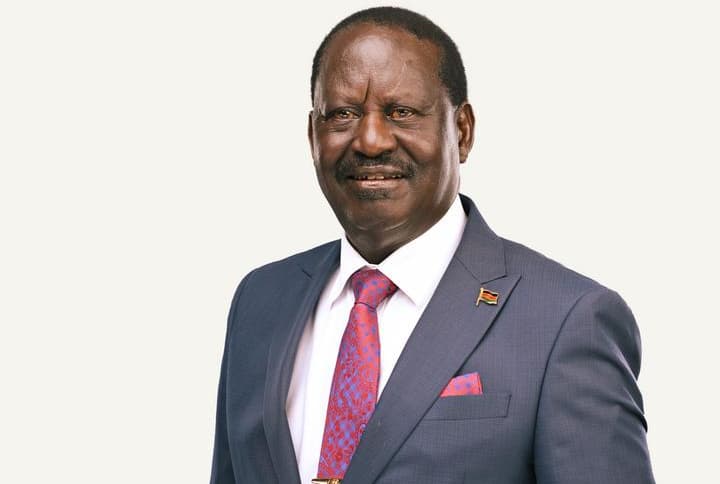
Oburu Oginga reveals the UDA-ODM deal was not a sudden March 7 pact, but the result of months of quiet political maneuvering and strategic alignment.

The public theater of the March 7, 2026, pact between President William Ruto and opposition leader Raila Odinga was meticulously stage-managed, designed to appear as a breakthrough of immediate necessity. Yet, according to Senator Oburu Oginga, the architect behind the curtain of this political rapprochement, the foundation for the current broad-based government was laid far earlier than the cameras captured. By peeling back the narrative of a spontaneous political ceasefire, Oginga has revealed a strategic realignment that had been quietly gestating for months, reshaping the trajectory of Kenyan governance well before the formal signatures graced the document.
This revelation is not merely historical trivia it provides critical context for the current state of the nation. For informed observers, the March 7 pact was not an epiphany but a culmination—a calculated convergence of UDA and ODM interests that reflects a significant departure from the antagonistic partisan politics that defined the 2022 election cycle. As Kenya navigates a complex economic climate, with inflation fluctuating and debt restructuring ongoing, the permanence and depth of this alliance have profound implications for the 2027 electoral landscape and the stability of current legislative processes.
Senator Oginga, whose influence within the ODM hierarchy is paramount, asserts that the dialogue between the ruling United Democratic Alliance (UDA) and the Orange Democratic Movement (ODM) began long before the public became aware of the "broad-based" initiative. This suggests that the administration has been operating on a dual-track strategy: maintaining the outward appearance of executive independence while engaging in deep-tissue political surgery with the opposition to secure policy stability.
Data points and historical precedents suggest several reasons for this quiet coordination:
Analysts at independent think tanks in Nairobi note that this pre-emptive deal-making reduces market volatility. When political opponents stop fighting, the shilling experiences less speculative pressure, and international investors gain the confidence required to maintain capital inflows. The economic stakes are high: with development projects like the SGR extension to Kisumu hanging in the balance, a stable political environment is the prerequisite for securing the necessary multilateral funding.
The deal is not purely ideological it is transactional and infrastructural. The inclusion of Northern Kenya development projects and the proposed SGR extension within the government’s expanded priority list signals that ODM’s cooperation has been purchased with tangible, high-value public goods. For residents in the Lake Region and Northern frontiers, this indicates a pivot from peripheral neglect to central attention.
The economic impact of these commitments is substantial. The SGR extension alone represents a multibillion-shilling investment, requiring complex fiscal maneuvering and international debt negotiations. By anchoring these projects in a broad-based agreement, both Ruto and Odinga have effectively insulated them from being cancelled or deprioritized by subsequent political cycles. This "developmental pact" ensures that no matter who holds the executive chair in 2027, the infrastructure momentum is likely to persist.
However, this strategy carries inherent risks. Political scientists warn that by blurring the lines between government and opposition, the coalition risks alienating the base. Voters who turned out in 2022 on the promise of "bottom-up" economic transformation vs. "Azimio" reform platforms may feel disenfranchised by this elitist consolidation of power. The challenge for both Ruto and Oginga is to prove that this "broad-based" approach delivers tangible reductions in the cost of living, rather than just a re-arrangement of cabinet positions and state procurement opportunities.
As the country looks toward the 2027 general election, the Oginga disclosure serves as a clear warning to potential challengers. The combined political machinery of UDA and ODM creates a formidable electoral block that could be nearly impossible to unseat through conventional campaigning. Yet, historical Kenyan politics is rarely linear. Alliances built on convenience often dissolve under the pressure of presidential ambitions.
Whether this "long-simmering" deal creates a durable centrist coalition or merely delays an inevitable fracture remains the defining question of the next eighteen months. If the government fails to demonstrate real economic recovery, the very alliance intended to provide stability could become a lightning rod for anti-establishment fury. The political class has secured a temporary peace, but the electorate remains the final arbiter.
In the final analysis, the revelations regarding the timing of the UDA-ODM deal underscore a reality often overlooked in the heat of daily news cycles: in the high-stakes world of national leadership, the most significant changes occur in the quiet hours of negotiation, long before the first press conference is called. For the citizens of Kenya, the question is no longer when the deal started, but rather, what it will ultimately deliver to the people who voted for change.
Keep the conversation in one place—threads here stay linked to the story and in the forums.
Sign in to start a discussion
Start a conversation about this story and keep it linked here.
Other hot threads
E-sports and Gaming Community in Kenya
Active 9 months ago
The Role of Technology in Modern Agriculture (AgriTech)
Active 9 months ago
Popular Recreational Activities Across Counties
Active 9 months ago
Investing in Youth Sports Development Programs
Active 9 months ago
Key figures and persons of interest featured in this article