We're loading the full news article for you. This includes the article content, images, author information, and related articles.
The BBC has dismantled its traditional sports broadcasting hierarchy, distributing the 2026 World Cup hosting duties equally among Kelly Cates, Mark Chapman, and Gabby Logan following Gary Lineker's departure.
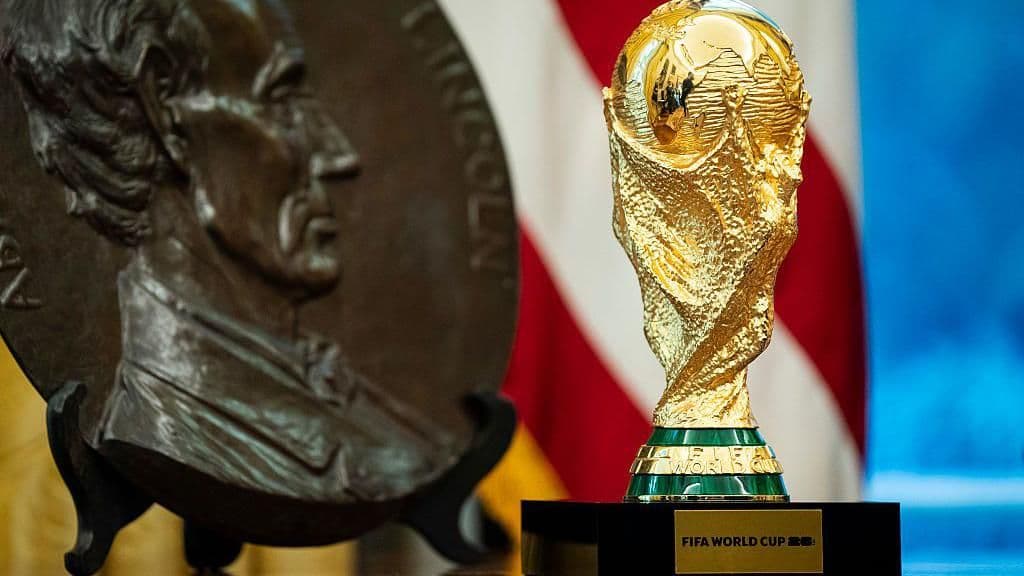
The familiar rhythm of British football broadcasting has been permanently altered. Following Gary Lineker's departure, the BBC is embarking on an unprecedented, egalitarian approach for the 2026 World Cup in North America.
For decades, a single charismatic anchor anchored the globe’s most-watched sporting event. Now, the corporation is splitting duties equally among three veteran broadcasters. For Kenyan fans—millions of whom consume global football narratives through British media lenses—this shift fundamentally redefines how the tournament's overarching narrative will be delivered across East Africa.
Gary Lineker was not merely a presenter; he was an institution. For twenty-six years, his measured tones and sharp wit defined the BBC's Match of the Day and its flagship international tournament coverage. However, his departure early last year—precipitated by controversies surrounding his social media commentary—left a massive vacuum in sports broadcasting. Lineker had initially agreed to anchor the 2026 World Cup across Canada, Mexico, and the United States, but his abrupt exit forced a radical rethink at the corporation.
Instead of anointing a single successor, BBC executives have explicitly stated there are "no favourites." The immense responsibility of guiding viewers through the grueling, expanded 48-team tournament has been divided among three highly respected figures: Kelly Cates, Mark Chapman, and Gabby Logan. This trio assumed regular Premier League duties at the start of the current season, and producers are now meticulously mapping out their schedules to ensure an exactly equal distribution of matches once the action kicks off in Mexico City.
Despite the commitment to parity, one colossal logistical and prestige question remains unanswered: who will host the World Cup final? In broadcasting circles, fronting the final is the ultimate badge of honour, a career-defining moment watched by billions globally and millions locally in Kenya. Industry insiders admit they remain completely in the dark regarding which of the three presenters will be granted the coveted chair at the MetLife Stadium in New Jersey.
The decision is fraught with internal politics. Cates brings unparalleled tactical nuance, Chapman offers Everyman accessibility and deep radio experience, while Logan possesses the gravitas of having anchored multiple Olympics and major finals. How the BBC navigates this selection will be closely scrutinized by media analysts worldwide.
Adding another layer of complexity to the BBC's coverage is the explosive growth of independent sports media. Lineker himself will remain a ubiquitous presence during the tournament, albeit on a rival platform. His highly successful video podcast, "The Rest Is Football," has struck a lucrative deal with streaming giant Netflix to broadcast daily editions live from New York. This sets up a fascinating dynamic where the BBC's former talisman is directly competing for eyeballs against his replacements.
Furthermore, the podcast ecosystem is deeply entangled with the BBC's current roster. Cates, Chapman, and Logan all maintain separate podcast commitments. More pointedly, high-profile BBC pundits Micah Richards and Alan Shearer are regular contributors to Lineker’s independent show.
For the Kenyan audience, the structural changes at the BBC have profound indirect effects. English-language football commentary and studio analysis consumed in East Africa—often syndicated or heavily referenced by local sports networks and digital platforms—will sound remarkably different. The transition from a monolithic anchor to a dynamic trio reflects a broader modernization of sports media, prioritizing diverse voices over a single patriarchal figure.
As the tournament approaches, the BBC's radical experiment will be stress-tested in the unforgiving crucible of live, high-stakes broadcasting. If successful, it could permanently alter how major networks globally structure their coverage of mega-events.
"The era of the untouchable solo anchor is over; the future of sports broadcasting is collaborative, dynamic, and ruthlessly competitive," noted a senior sports media rights analyst in Nairobi.
Keep the conversation in one place—threads here stay linked to the story and in the forums.
Sign in to start a discussion
Start a conversation about this story and keep it linked here.
Other hot threads
E-sports and Gaming Community in Kenya
Active 9 months ago
The Role of Technology in Modern Agriculture (AgriTech)
Active 9 months ago
Popular Recreational Activities Across Counties
Active 9 months ago
Investing in Youth Sports Development Programs
Active 9 months ago