We're loading the full news article for you. This includes the article content, images, author information, and related articles.
Public fury erupts at KICC as the government pushes to sell 15% of Safaricom to Vodacom, facing accusations of undervaluation and selling off national assets.
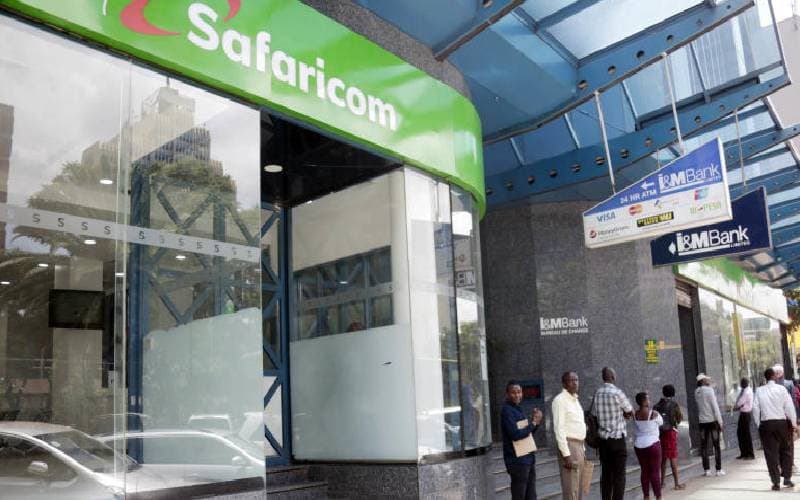
The crown jewel of Kenya’s corporate empire is on the auction block, and the public is fighting back. A raucous public participation forum is underway at the KICC in Nairobi, where the government is attempting to justify the sale of a strategic 15% stake in Safaricom to the Vodacom Group for a reported KSh 204 billion.
The atmosphere inside the amphitheater is hostile. Treasury officials, armed with spreadsheets and projections of "fiscal space," are facing a barrage of skepticism from civil society, the Law Society of Kenya (LSK), and ordinary citizens. The deal, which would see Vodacom’s effective ownership rise to a controlling 55%, is being framed by critics not as a sale, but as a surrender of national sovereignty over critical telecommunications infrastructure.
At the heart of the conflict is the valuation. The government has pegged the sale at roughly KSh 34 per share, a figure that opponents argue is a gross undervaluation of Safaricom’s true market dominance and future earning potential. The LSK and dealers have raised alarms that this "fire sale" is a desperate move to plug budget deficits rather than a strategic economic decision.
Key contentions exploding on the floor include:
The Treasury argues the sale is necessary to raise KSh 244.5 billion for infrastructure projects and to reduce debt reliance. However, the optics of selling family silver to pay off credit card bills are playing poorly with the electorate. "You are mortgaging our future," one participant shouted, capturing the mood of the room.
As the forum continues, it is clear that this is more than a financial transaction; it is a political litmus test. If the government proceeds despite this backlash, it risks confirming the public suspicion that the state is captured by foreign capital. The battle for Safaricom is no longer just about shares; it is about who owns Kenya’s digital future.
Keep the conversation in one place—threads here stay linked to the story and in the forums.
Sign in to start a discussion
Start a conversation about this story and keep it linked here.
Other hot threads
E-sports and Gaming Community in Kenya
Active 9 months ago
The Role of Technology in Modern Agriculture (AgriTech)
Active 9 months ago
Popular Recreational Activities Across Counties
Active 9 months ago
Investing in Youth Sports Development Programs
Active 9 months ago



