We're loading the full news article for you. This includes the article content, images, author information, and related articles.
The Bank of England has maintained interest rates at 3.75 percent, defying calls for a cut as it battles persistent inflation of 3.4 percent and a divided policy committee.
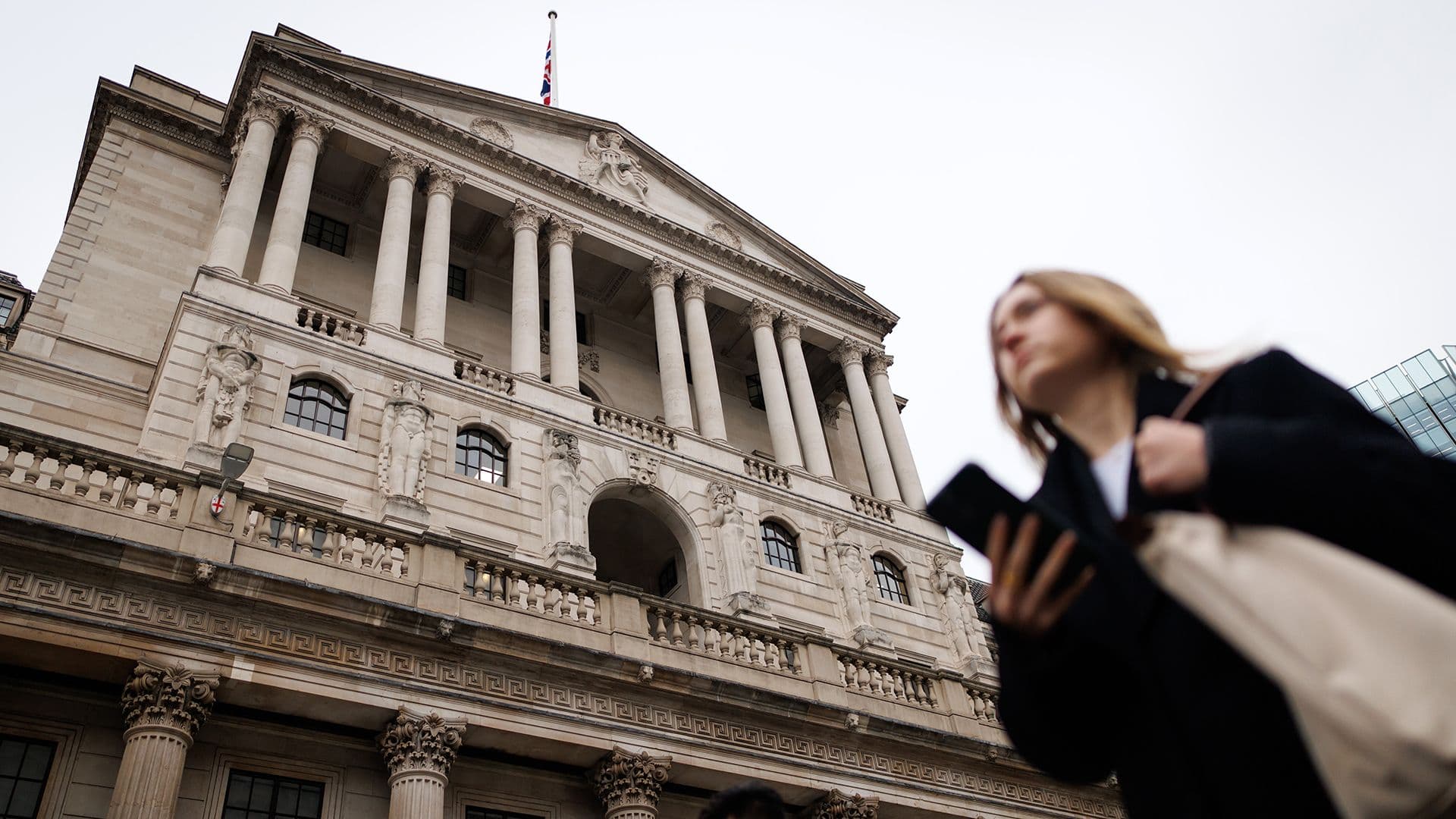
The Bank of England stands firm on interest rates as it navigates a precarious economic tightrope between stubborn inflation and stalling growth.
The Monetary Policy Committee has voted to maintain the base interest rate at 3.75 percent, resisting pressure for an immediate cut despite signs of economic stagnation. This decision marks a continuation of the Bank’s cautious strategy, prioritizing the suppression of inflationary embers over the immediate stimulation of the economy. Governor Andrew Bailey and the committee faced a complex dataset, with December inflation ticking up unexpectedly to 3.4 percent, a signal that price stability remains elusive.
Markets had priced in a hold, yet the decision underscores the fragility of the United Kingdom’s post-crisis recovery. The seven-to-two vote split within the committee reveals a widening fissure among policymakers. While the majority remains hawkish, fearing that premature easing could reignite a price spiral, a vocal minority is now advocating for relief to support mortgaged households and debt-laden businesses. This divergence sets the stage for a contentious spring, where every data point on wages and services inflation will be scrutinized for signs of weakness.
The persistence of inflation above the target of two percent continues to plague the British economy. The rise to 3.4 percent in December was driven largely by volatility in energy markets and service sector resilience. For the average consumer, this means the cost of living crisis has merely plateaued rather than retreated. Essential goods remain expensive, and the psychological impact of sustained high prices is dampening consumer confidence across the nation.
Economists warn that the "last mile" of bringing inflation down to target is proving to be the hardest. The Bank’s reluctance to cut rates suggests they believe underlying price pressures are more entrenched than previously thought. This hawkish stance is a bitter pill for homeowners coming off fixed-rate deals, who face significantly higher monthly repayments compared to two years ago. The housing market, already cooling, is likely to remain in deep freeze until borrowing costs begin a meaningful descent.
The Bank of England is not acting in a vacuum, yet its path is diverging from its peers. While the European Central Bank sits comfortably with rates at 2 percent and the Federal Reserve signals potential easing, London finds itself battling a unique strain of sticky inflation. This divergence poses risks for the pound sterling. If the Bank keeps rates high while others cut, the currency could strengthen, hurting exports. Conversely, if they cut too soon, sterling could plummet, importing further inflation.
City analysts suggest that the first rate cut may not materialize until the second quarter of 2026. This timeline pushes relief further into the future than many businesses had hoped. Investment decisions are being delayed, and capital expenditure is being scrutinized, creating a drag on productivity that the UK economy can ill afford. The "higher for longer" narrative is now the base case, forcing corporate treasurers to rethink their debt strategies.
Behind the percentages and macroeconomic jargon lies a stark reality for British households. The decision to hold rates at 3.75 percent means credit card debt, overdrafts, and personal loans remain expensive. Charities report record inquiries regarding debt management, as families exhaust their savings buffers. The transmission mechanism of monetary policy is working exactly as intended by reducing disposable income to cool demand, but the collateral damage is being felt most acutely by lower-income earners.
As the MPC breaks for the month, the message to the markets and the public is clear: the battle against inflation is not won. The Bank is prepared to tolerate a period of economic lethargy to ensure price stability is restored. For now, the waiting game continues, with all eyes turning to next month’s labor market data to see if the cracks in the economy begin to widen.
Keep the conversation in one place—threads here stay linked to the story and in the forums.
Sign in to start a discussion
Start a conversation about this story and keep it linked here.
Other hot threads
E-sports and Gaming Community in Kenya
Active 9 months ago
The Role of Technology in Modern Agriculture (AgriTech)
Active 9 months ago
Popular Recreational Activities Across Counties
Active 9 months ago
Investing in Youth Sports Development Programs
Active 9 months ago