We're loading the full news article for you. This includes the article content, images, author information, and related articles.
Top central bank officials across Sub-Saharan Africa have convened in Zanzibar to forge a unified defense against growing global economic uncertainties and systemic financial risks.
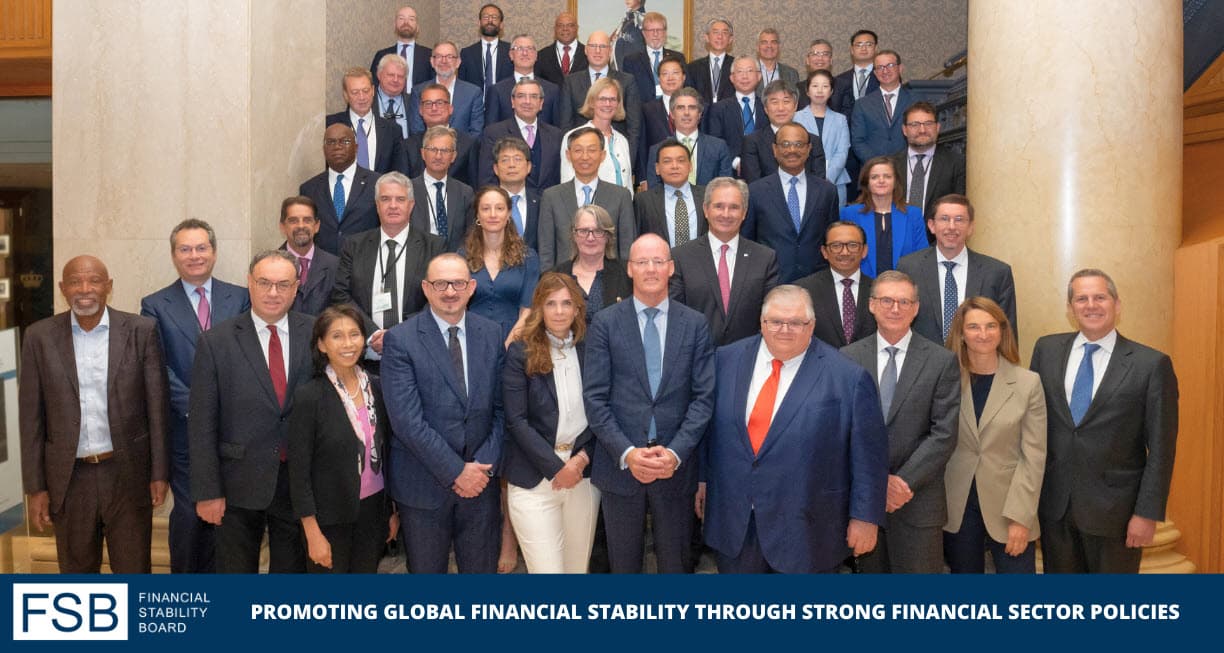
Top central bank officials across Sub-Saharan Africa have convened in Zanzibar to forge a unified defense against growing global economic uncertainties and systemic financial risks.
Amidst a backdrop of geopolitical tension and lingering pandemic shockwaves, the continent's foremost financial architects gathered over the weekend to strategize on debt sustainability and digital innovation.
This high-stakes convergence of the Financial Stability Board (FSB) Regional Consultative Group carries massive weight for the Kenyan economy. As the Central Bank of Kenya (CBK) navigates severe exchange rate volatility and complex sovereign debt restructuring, the collaborative frameworks established in Zanzibar will directly dictate the monetary policy mechanisms required to protect East African markets from external contagion.
Hosted by the Bank of Tanzania (BoT) on the archipelago of Zanzibar, the summit drew an elite roster of Governors, Deputy Governors, and senior regulators from powerhouses including South Africa, Nigeria, Ghana, and Kenya. BoT Governor Emmanuel Tutuba, inaugurating the session, emphasized that the resilience of regional economies hinges entirely on collaborative, cross-border regulatory architecture. The isolationist monetary policies of the past are entirely insufficient to combat modern, highly interconnected financial crises.
The agenda was fiercely targeted at the most pressing vulnerabilities threatening the continent. Central to the discourse were regional financial stability indicators, the perilous state of sovereign debt sustainability, and the largely unregulated shadow banking sector, formally known as Non-Bank Financial Intermediation (NBFI). These entities, which operate outside traditional banking regulations, pose a latent systemic risk that could easily trigger a localized liquidity crisis if left unchecked.
Perhaps the most forward-looking segment of the deliberations focused on the intersection of Artificial Intelligence (AI) and the financial sector. AI offers unprecedented capabilities in risk assessment, algorithmic trading, and fraud detection. However, the governors acknowledged the severe risks associated with algorithmic bias, cybersecurity vulnerabilities, and the potential for AI-driven flash crashes. For tech-forward nations like Kenya, whose Silicon Savannah is heavily integrated into the financial sector through mobile money platforms like M-Pesa, establishing a robust regulatory framework for AI is an absolute, immediate necessity.
Governor Tutuba candidly noted that recent global shocks—ranging from geopolitical conflicts disrupting supply chains to the escalating costs of climate-related disasters—have severely tested global financial resilience. These external pressures have imported inflation into East Africa, weakened local currencies against the US Dollar, and drastically constricted the fiscal space available to governments. In Kenya, this has manifested in a challenging macroeconomic environment where the cost of living has surged, demanding aggressive monetary tightening.
The FSB, established by the G20 in the wake of the 2008 financial crisis, is pivoting its 2026 work program to address private credit vulnerabilities and digital asset innovation. The integration of Sub-Saharan Africa into this global policy dialogue ensures that the unique realities of developing economies are not sidelined by Western financial priorities. The advancement of the Cross-border Payments Roadmap, for example, is critical for facilitating efficient intra-African trade under the AfCFTA framework.
The Tanzanian implementation of Domestic Systemically Important Banks (DSIBs) frameworks and climate-related risk assessments serves as a functional model. By aligning regional supervisory standards, the participating nations are essentially building a financial firewall. The success of this summit will not be measured in the communiques issued, but in the tangible reduction of exchange rate volatility and the stabilization of lending rates across the region.
In an era defined by unpredictable economic turbulence, the architects of Africa's financial future have recognized that survival requires absolute, uncompromising solidarity.
Keep the conversation in one place—threads here stay linked to the story and in the forums.
Sign in to start a discussion
Start a conversation about this story and keep it linked here.
Other hot threads
E-sports and Gaming Community in Kenya
Active 9 months ago
The Role of Technology in Modern Agriculture (AgriTech)
Active 9 months ago
Popular Recreational Activities Across Counties
Active 9 months ago
Investing in Youth Sports Development Programs
Active 9 months ago



