We're loading the full news article for you. This includes the article content, images, author information, and related articles.
Widespread violence, two deaths, and torched properties marred Thursday's mini-polls, as political leaders trade accusations and the electoral commission vows action against perpetrators.

Thursday's by-elections, meant to be a routine democratic exercise across 22 electoral areas, instead descended into a brutal spectacle of violence, leaving a trail of bloodshed, injuries, and destruction.
The polls were not just a local contest; they were a high-stakes litmus test for the 2027 General Election, pitting President William Ruto's government against a newly-formed United Opposition. For ordinary Kenyans, however, the day brought chaos to their doorsteps, raising grave concerns about the nation's political stability and whether a ballot can be cast without fear.
The violence was widespread and brazen. In Nyamira County, machete-wielding gangs disrupted voting, a car was torched, and a retired principal was critically injured. Similar scenes played out in Malava, Kakamega County, where a vehicle was set ablaze and a candidate's hotel was vandalised by goons. ODM Secretary General Edwin Sifuna lamented the day as “one of the bloodiest election days in recent history,” pointing to a collapse in security leadership.
The epicentre of the violence was Homa Bay County's Kasipul constituency, where the contest had already turned deadly weeks before polling day. Clashes between rival supporters on November 6th resulted in the deaths of two young men, Ben Ondiege and Bruno Onyango. On election day itself, Homa Bay Town MP Peter Kaluma, acting as a party agent, was attacked and injured at a polling station, and his bodyguard's firearm was lost in the melee.
In response to the escalating violence, authorities made some arrests. Homa Bay County Police Commander Lawrence Koilem confirmed that 17 individuals were arrested in Kasipul after being found with crude weapons. The Independent Electoral and Boundaries Commission (IEBC) had earlier taken action, fining the two main Kasipul candidates, Boyd Were (ODM) and independent Philip Aroko, KSh 1 million (approx. $7,700 USD) each for their role in the fatal November 6th clashes.
Condemnation of the violence was swift and widespread. IEBC Chairperson Erastus Ethekon issued a stern statement, expressing grave concern over the intimidation and violence and warning that political actors involved would face legal consequences. The Kenya National Commission on Human Rights (KNCHR) also condemned the events, stating that such actions severely undermine the democratic process and public trust.
However, critics, including Siaya Governor James Orengo, warned that Kenya risks sliding into a dangerous pattern of “militarised and lawless politics.” Opposition figures have gone further, alleging that some of the violence was state-sponsored, a charge the government denies.
As the last ballots are counted under a cloud of fear, the question for many Kenyans is not just who won, but whether the country's democratic fabric can withstand such violent tears ahead of the crucial 2027 polls. Former Chief Justice David Maraga faulted the state for laxity, capturing a sentiment of unease about the government's ability to protect the vote.
Keep the conversation in one place—threads here stay linked to the story and in the forums.
Sign in to start a discussion
Start a conversation about this story and keep it linked here.
Other hot threads
E-sports and Gaming Community in Kenya
Active 9 months ago
The Role of Technology in Modern Agriculture (AgriTech)
Active 9 months ago
Popular Recreational Activities Across Counties
Active 9 months ago
Investing in Youth Sports Development Programs
Active 9 months ago
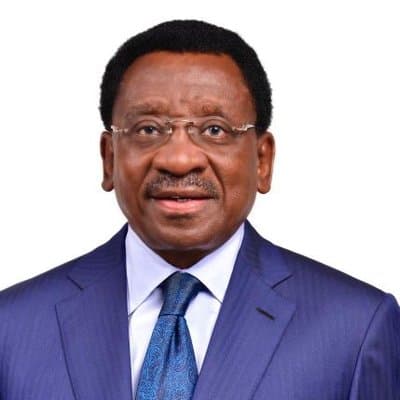
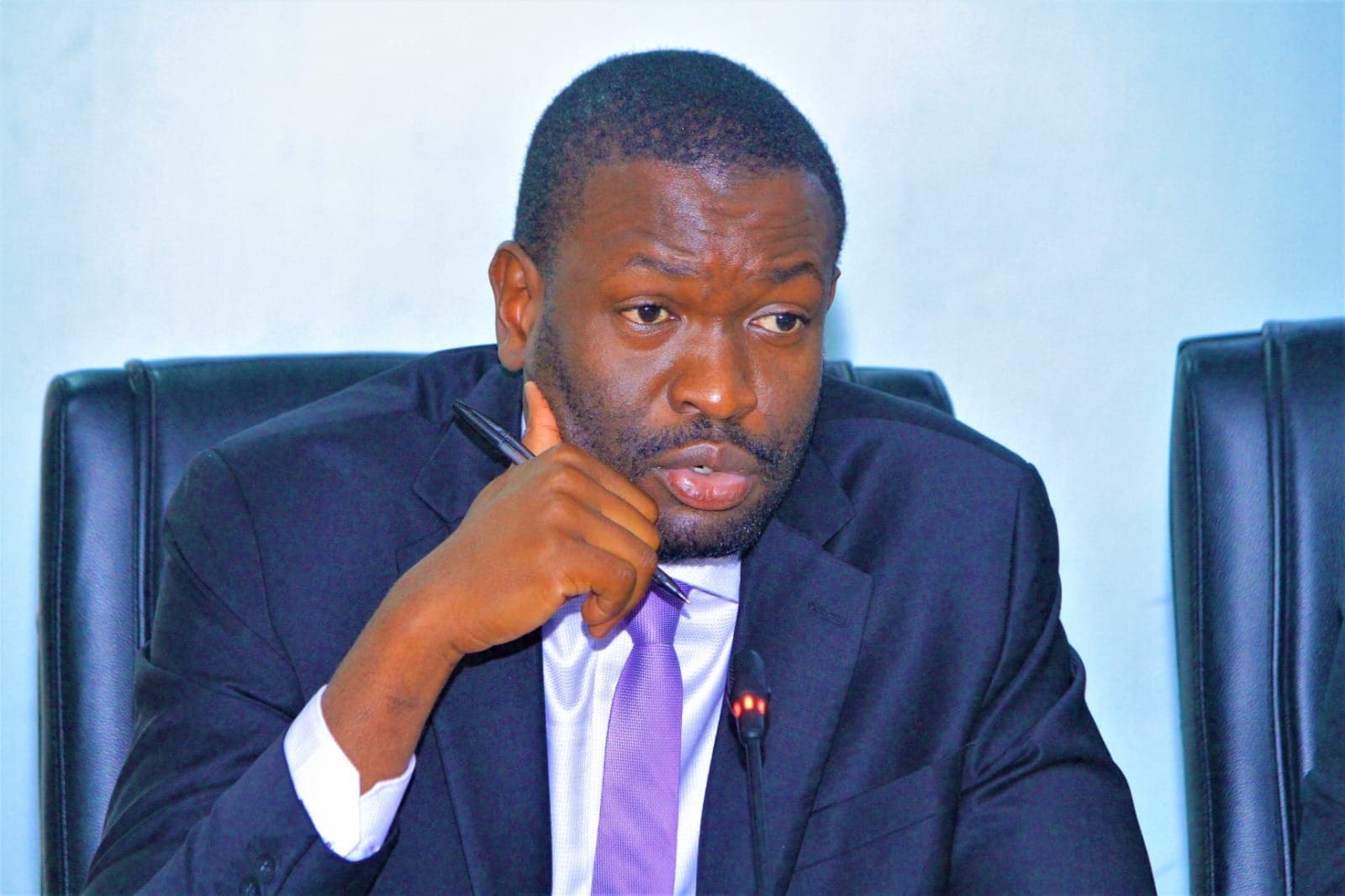
Key figures and persons of interest featured in this article