We're loading the full news article for you. This includes the article content, images, author information, and related articles.
Babu Owino leads opposition to the Safaricom share sale, terming the telco a "national security asset" that must remain in Kenyan hands.
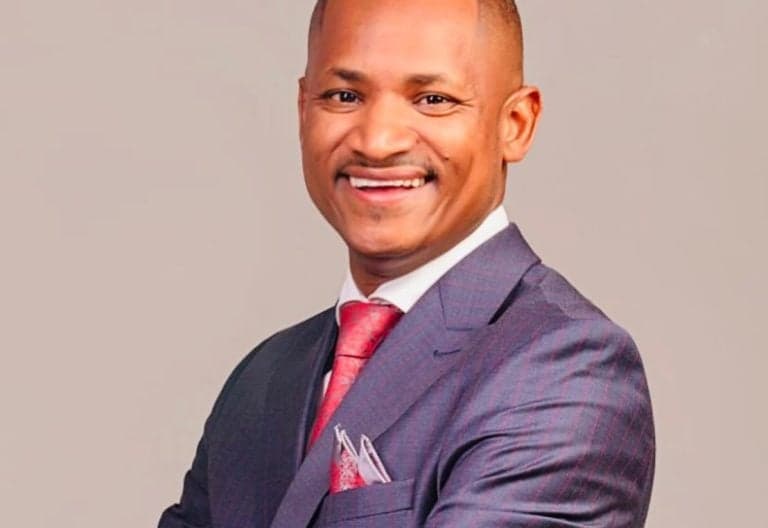
Embakasi East MP Babu Owino has dramatically raised the stakes in the debate over the proposed sale of Safaricom shares, recasting what the Treasury views as a fiscal transaction into a national security and sovereignty issue.
In a fiery submission on the floor of Parliament, Owino warned that ceding majority control of Kenya’s largest telecommunications firm to foreign entities would expose the country’s financial systems, communications infrastructure, and citizen data to external influence and potential manipulation.
“M-Pesa is our Federal Reserve,” Owino told the House. “Safaricom masts are our eyes and ears. We cannot sell our sovereignty to balance a budget.”
The Treasury has defended the proposed divestment as a necessary measure to raise revenue and ease pressure on public finances. But Owino’s intervention shifts the debate from balance sheets to state power, arguing that Safaricom’s role in Kenya’s economy goes far beyond that of a normal listed company.
Safaricom dominates mobile money, voice, data, and digital services in Kenya, processing trillions of shillings annually through M-Pesa and acting as critical infrastructure for government payments, banking, and private commerce. According to Owino, this makes ownership structure a matter of strategic control, not just investment.
“When you control Safaricom, you don’t just control profits,” he argued. “You control data, payments, movement, and information.”
Owino cautioned that foreign majority ownership could create vulnerabilities in:
Financial data, given M-Pesa’s central role in payments and savings
Communications intelligence, through network infrastructure and traffic
Policy autonomy, if shareholder interests clash with national priorities
While the government has insisted that regulation would remain with Kenyan authorities regardless of ownership, critics argue that economic leverage often translates into political leverage, especially where infrastructure is as deeply embedded as Safaricom’s.
Security analysts note that globally, telecom assets are increasingly viewed as strategic resources, with many countries tightening rules on foreign ownership in sensitive sectors.
Beyond rhetoric, Owino is now actively mobilising MPs across party lines to block or delay the proposal when it comes before Parliament. His strategy is to force a broader national conversation and compel Treasury to justify the sale not just economically, but constitutionally and strategically.
“This is not a party issue,” one MP aligned with Owino said privately. “It’s about whether Kenya keeps control of its digital backbone.”
The move complicates Treasury’s legislative path, especially after earlier resistance from professional bodies, technologists, and economists who have questioned the valuation and long-term trade-offs of selling a high-dividend asset.
The Safaricom debate is increasingly becoming a proxy fight over how Kenya manages strategic assets in an era of debt pressure and global capital flows. Owino’s framing taps into wider public anxiety about privatization, foreign control, and economic sovereignty—particularly among younger and urban voters.
Whether Parliament ultimately blocks the sale or forces major concessions, the issue has already evolved beyond fiscal policy. It is now a test of how Kenya defines national interest in a digital age.
As the Treasury prepares to defend its proposal, it faces a Parliament no longer asking just how much money will be raised—but what power might be lost in the process.
Keep the conversation in one place—threads here stay linked to the story and in the forums.
Sign in to start a discussion
Start a conversation about this story and keep it linked here.
Other hot threads
E-sports and Gaming Community in Kenya
Active 9 months ago
The Role of Technology in Modern Agriculture (AgriTech)
Active 9 months ago
Popular Recreational Activities Across Counties
Active 9 months ago
Investing in Youth Sports Development Programs
Active 9 months ago