We're loading the full news article for you. This includes the article content, images, author information, and related articles.
<strong>A protest by at least three prominent authors against the Hay literary festival in Colombia has ignited a fierce debate on artistic freedom, political intervention, and the critical issue of national sovereignty.</strong>

A storm of controversy has engulfed one of the world's most prestigious literary events, the Hay Festival in Cartagena, Colombia, after at least three authors withdrew in protest against the invitation of Venezuelan opposition leader and Nobel laureate, María Corina Machado. The boycott has turned the celebrated cultural gathering into a political flashpoint, raising questions that resonate deeply from Latin America to the heart of Kenya: Where is the line between free expression and providing a platform for divisive politics?
The core of the dispute lies in Machado's political stances, particularly her vocal support for former U.S. President Donald Trump's pressure campaign against Venezuela's leader, Nicolás Maduro, and her perceived endorsement of a potential U.S. military intervention in her home country. For many in a continent wary of foreign interference, and indeed for Kenyans who view national sovereignty as sacrosanct, such a position is deeply alarming.
The withdrawals are not merely about disagreement but are a firm stand on principle. Acclaimed Colombian author Laura Restrepo, in a letter explaining her decision, described Machado as “an active supporter of US military intervention in Latin America.” She argued powerfully, “No platform should be given or audience facilitated for someone who... promotes positions and activities that subject our peoples and undermine the sovereignty of our countries. Imperialist intervention is not something to debate, but something to reject outright.”
This sentiment was echoed by fellow Colombian writer Giuseppe Caputo and Dominican author Mikaelah Drullard. Caputo cited the tense political climate, including recent deadly U.S. airstrikes in the Caribbean, making it untenable to share a stage with someone he views as legitimizing “imperial violence.” Drullard stated she could not attend an event that supports “pro-genocide and interventionist positions.”
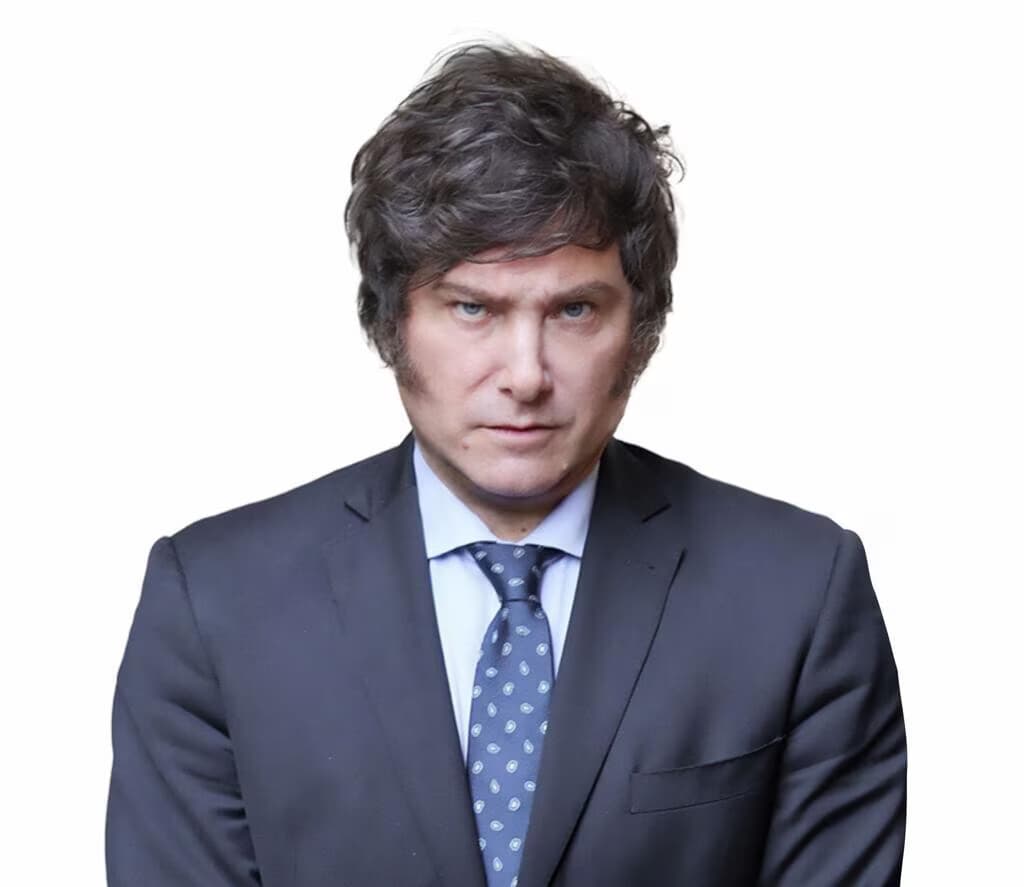
María Corina Machado is a deeply polarizing figure. As a Nobel Peace Prize laureate, she is celebrated by many for her opposition to the Maduro government, which is widely regarded as a dictatorship. However, her close ties with far-right leaders in the region, such as Argentina's Javier Milei and Brazil's Jair Bolsonaro, and her praise for Donald Trump's hardline approach, have alienated many. In a recent interview, Machado stated she “absolutely supports President Trump's strategy” on Venezuela.
The Hay Festival, for its part, has defended the invitation on the grounds of free expression. In a statement, organizers noted they respected the authors' decisions but believe in the importance of dialogue. “It is important to clarify that the Hay festival does not align itself with or endorse the opinions, positions or statements of those who take part in its activities,” the statement read.
While the standoff unfolds in Colombia, the principles at stake are global. The controversy forces a difficult conversation about the responsibility of cultural institutions in a politically charged world and whether the ideal of open dialogue has its limits—especially when it touches the raw nerve of national sovereignty.
Keep the conversation in one place—threads here stay linked to the story and in the forums.
Sign in to start a discussion
Start a conversation about this story and keep it linked here.
Other hot threads
E-sports and Gaming Community in Kenya
Active 10 months ago
The Role of Technology in Modern Agriculture (AgriTech)
Active 10 months ago
Popular Recreational Activities Across Counties
Active 10 months ago
Investing in Youth Sports Development Programs
Active 10 months ago
Key figures and persons of interest featured in this article