We're loading the full news article for you. This includes the article content, images, author information, and related articles.
An Austrian court has handed a suspended sentence to a 37-year-old amateur mountaineer whose girlfriend tragically died of hypothermia during a perilous winter ascent, raising complex questions about legal liability in extreme alpine sports.
An Austrian court has handed a suspended sentence to a 37-year-old amateur mountaineer whose girlfriend tragically died of hypothermia during a perilous winter ascent, raising complex questions about legal liability in extreme alpine sports.
The chilling heights of Austria's Grossglockner mountain became the focal point of a landmark legal battle this week, culminating in the conviction of a man who left his exhausted partner to seek help during a blinding blizzard.
This rare prosecution sends a profound warning across the global mountaineering community, including East Africa's own burgeoning climbing sector on Mount Kenya and Kilimanjaro: the ethical duty of care between climbing partners can and will be scrutinised under the harsh lens of gross negligence manslaughter. The verdict shatters the long-held assumption that high-altitude climbers operate entirely outside the bounds of conventional legal liability.
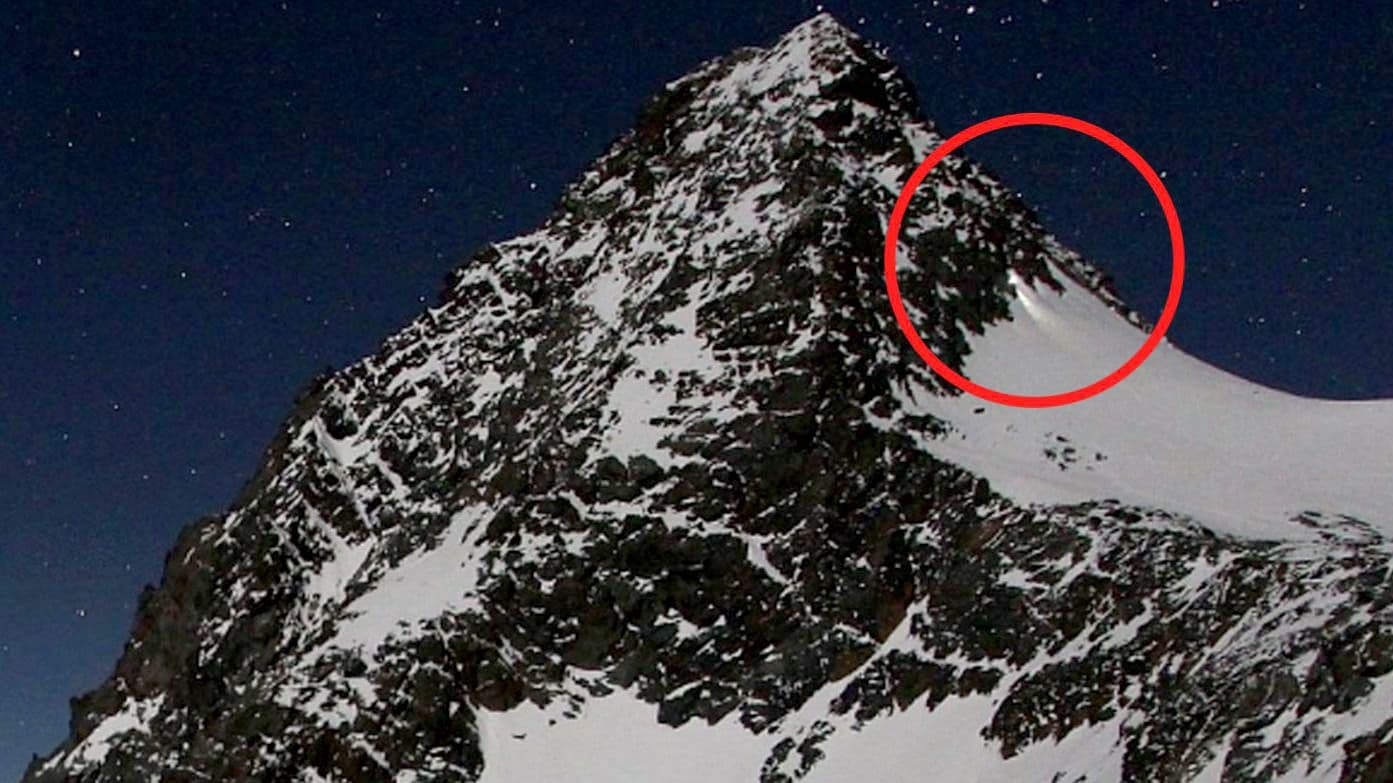
The tragedy unfolded in January 2025, when the defendant, identified under privacy laws as Thomas P., embarked on a challenging winter ascent of Austria's highest peak alongside his 33-year-old girlfriend, Kerstin G. According to court testimonies, the expedition was plagued by severe delays, including a snagged rope that cost the couple roughly 90 crucial minutes. By the time darkness enveloped the mountain, they were caught in a brutal blizzard, approximately 50 metres below the 3,798-metre summit.
Kerstin G., despite being described by the defendant as strong and accustomed to the mountains, became severely exhausted and unable to proceed. The prosecution detailed a series of catastrophic errors made by Thomas P. leading up to this critical juncture. Chief among these was the decision to commence the climb too late in the day, virtually guaranteeing they would be caught in the treacherous nighttime conditions of the alpine winter.
At approximately 2:00 am, facing plummeting temperatures and gale-force winds, Thomas P. made the fateful decision to leave his immobilized partner to descend and seek assistance. However, the court heard that he left her exposed to the elements without utilizing the emergency blanket or bivouac bag that she carried in her backpack. When questioned about this critical omission, the defendant cited the extreme stress of the situation.
The Innsbruck Public Prosecutors' Office aggressively pursued the narrative that Thomas P. acted as the de facto guide for the expedition. Because he possessed significantly more experience with high-altitude alpine tours and had meticulously planned the route, prosecutors argued he bore a heightened legal responsibility for his partner's safety. The failure to deploy standard emergency survival gear was highlighted as a glaring dereliction of this duty.
Furthermore, the prosecution pointed to critical communication failures. Despite being unable to advance from 8:50 pm onwards, Thomas P. did not initiate an immediate emergency call. When a police helicopter eventually flew over the area two hours later, he failed to deploy any distress signals. He later claimed his mobile phone was in airplane mode to conserve battery, a decision that proved fatal when rapid communication was desperately required.
Defence lawyer Kurt Jelinek vehemently contested the charges, arguing that all accusations of gross negligence were unfounded. He rejected the premise that his client held a formal leadership role, emphasizing that alpine climbing inherently involves shared, accepted risks. The judge, Norbert Hofer, acknowledged the defendant had deeply misjudged the scenario but stopped short of characterizing him as cold-hearted, noting the immense pressure of the high-altitude crisis.
The court ultimately handed down a five-month suspended prison sentence and a fine of €9,400 (approximately KES 1.3 million). This relatively lenient sentence, well below the three-year maximum, reflects the legal complexities of prosecuting survival decisions made in the "death zone" of high mountains.
For the thriving climbing industry in East Africa, where thousands attempt the technical peaks of Mount Kenya annually, this ruling demands a rigorous review of amateur guiding practices and emergency preparedness. It is a sobering reminder that the law extends even to the most unforgiving peaks.
"What I want to say is that I am so terribly sorry; I loved her and didn't want anything bad to happen," the convicted climber told the silent courtroom.
Keep the conversation in one place—threads here stay linked to the story and in the forums.
Sign in to start a discussion
Start a conversation about this story and keep it linked here.
Other hot threads
E-sports and Gaming Community in Kenya
Active 9 months ago
The Role of Technology in Modern Agriculture (AgriTech)
Active 9 months ago
Popular Recreational Activities Across Counties
Active 9 months ago
Investing in Youth Sports Development Programs
Active 9 months ago