We're loading the full news article for you. This includes the article content, images, author information, and related articles.
Australians must prove they are over 18 before they can access adult content such as porn, R-rated video games and sexually explicit AI chatbots, under new laws.
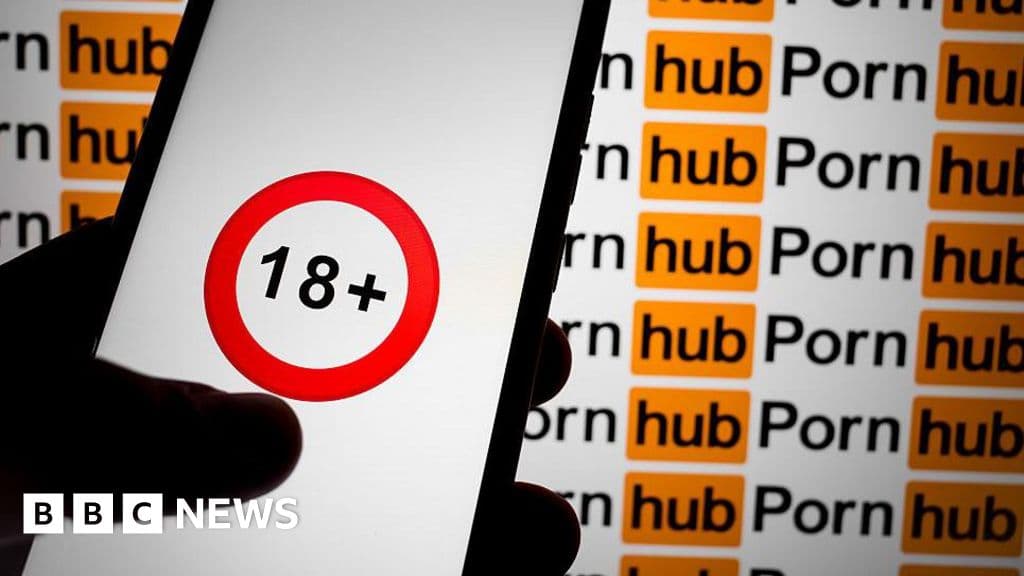
Australia has enacted a landmark legislative overhaul, mandating rigorous age verification for adult content, a move that places the nation at the vanguard of the global battle over digital safety and privacy rights.
A silent, digital wall has risen across Australia. Under the guidance of the eSafety Commissioner, the nation has moved to enforce strict age verification for adult content, creating a contentious test case for digital governance. Starting this week, citizens must provide verifiable proof of adulthood before accessing a wide spectrum of online material, ranging from sexually explicit content to AI-driven companion chatbots and R-rated gaming environments.
The move is a direct response to the escalating crisis of online harm, with data from the eSafety agency revealing that one in three children aged 10 to 17 have been exposed to sexual imagery online. For policymakers in Canberra, the logic is simple: if the physical world restricts minors from entering adult-only establishments, the digital world must be held to an identical standard.
Implementing this mandate, however, is a technological and logistical labyrinth. Platforms are now required to deploy sophisticated verification layers, which may include:
The Australian eSafety Commissioner, Julie Inman Grant, has defended the legislation as a necessary safeguard, noting that children are currently traversing digital landscapes with no guardrails. Yet, the implementation raises significant questions about user privacy and the efficacy of these measures in the face of widespread circumvention methods, such as virtual private networks (VPNs) and sophisticated spoofing tools.
Critics argue that the law creates a massive data privacy vulnerability. By requiring platforms to collect sensitive personal information—including biometric and financial data—to verify age, the government may be inadvertently creating a honeypot for cybercriminals. The risk of data breaches is significant, and the storage of such personal data by private firms, some with questionable track records, remains a primary concern for civil liberties groups.
Furthermore, the definition of 'adult content' is broad. The inclusion of AI chatbots and gaming platforms suggests that the government is casting a wide net, aiming to control the digital ecosystem rather than just policing adult media. This approach mirrors debates occurring in digital hubs worldwide, from the European Union to emerging economies in East Africa, where regulators are grappling with the balance between protecting minors and preserving an open, privacy-respecting internet.
For the average Australian, the internet experience is set to change. The era of the simple 'I am over 18' checkbox is effectively over. Instead, a more bureaucratic, verified online life awaits, one that serves as a precursor to a global trend of state-mandated digital identity checks.
As Australia begins the roll-out of these stringent requirements, the world will be watching to see if this model successfully curbs online exposure for minors or if it becomes a blueprint for privacy erosion. The precedent is set: in the digital age, access is no longer a given; it is a privilege that must be verified, tracked, and approved.
Keep the conversation in one place—threads here stay linked to the story and in the forums.
Sign in to start a discussion
Start a conversation about this story and keep it linked here.
Other hot threads
E-sports and Gaming Community in Kenya
Active 9 months ago
The Role of Technology in Modern Agriculture (AgriTech)
Active 9 months ago
Popular Recreational Activities Across Counties
Active 9 months ago
Investing in Youth Sports Development Programs
Active 9 months ago
