We're loading the full news article for you. This includes the article content, images, author information, and related articles.
The secret deportation of a Sudanese national to a remote Pacific island by Australian authorities highlights the far-reaching and controversial nature of its offshore immigration policy, raising urgent human rights questions with direct implications for the East Africa region.
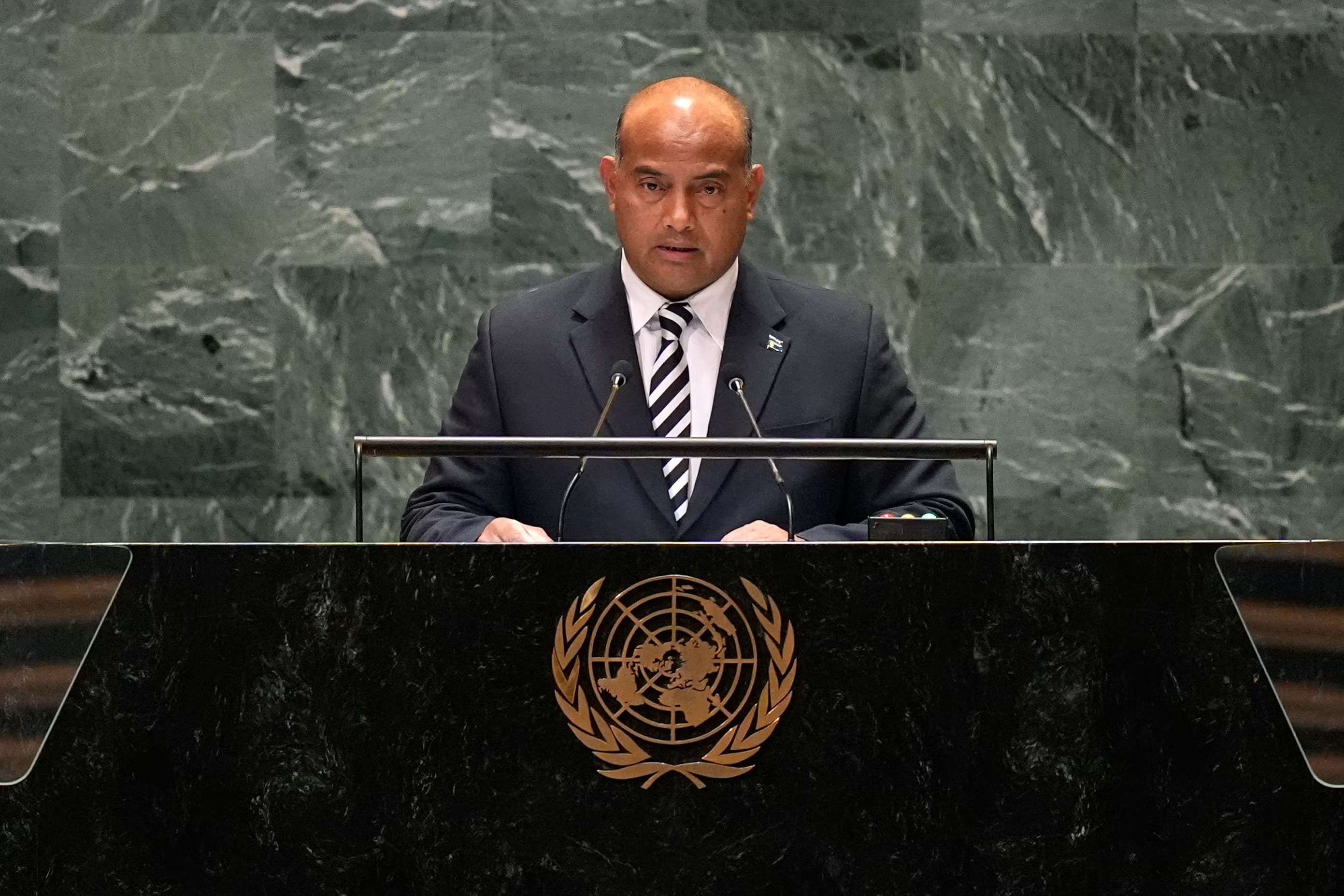
GLOBAL – The Australian government has secretly deported two more men, including a Sudanese national, to a controversial offshore processing centre in the Republic of Nauru, sources confirmed on Tuesday, 4 November 2025. The transfer, conducted last week, has intensified criticism from human rights organisations over the lack of transparency and the severe human cost of Australia's immigration policies.
The Sudanese man was taken from the Yongah Hill Immigration Detention Centre near Perth, Western Australia, while another man was transferred from a separate facility. They join a Vietnamese national who was the first person deported in late October under a renewed, multi-billion dollar deal with the Pacific island nation. The men are part of a group known as the 'NZYQ cohort', non-citizens who were released from long-term detention following a landmark court ruling but are now being targeted for removal.
When questioned about the deportations, Australia’s Minister for Home Affairs, Tony Burke, stated, “If people have had their visas cancelled, we expect them to leave.” Mr. Burke was appointed to the role in July 2024, taking over a portfolio that has drawn sustained international condemnation.
The deportation of a Sudanese national brings Australia’s heavily criticised 'Pacific Solution' directly into the East African sphere. While the Australian government has not released personal details, the move confirms that nationals from the region are subject to a policy described by the United Nations and human rights groups as cruel and unlawful. This raises significant concerns about the potential for other East African migrants within the Australian system to face a similar fate of indefinite exile on a remote island.
The Yongah Hill facility, from which the Sudanese man was taken, has been flagged by the Australian Human Rights Commission for serious safety issues, including a rise in prison-like behaviours, drug trafficking, and inadequate healthcare. A 2024 report described parts of the centre as “no longer fit for purpose,” with detainees reporting they felt unsafe.
These deportations are the Australian government's response to a November 2023 High Court decision, known as NZYQ v Minister for Immigration. The court ruled that the indefinite detention of non-citizens who could not be deported to their country of origin was unconstitutional. This led to the release of approximately 358 people, many of whom had their visas cancelled on character grounds after serving prison sentences.
Facing political pressure, the Albanese government passed new laws enabling it to pay third countries to accept these individuals. In August 2025, Minister Burke signed a deal with Nauru, committing A$408 million initially, as part of a 30-year, A$2.5 billion arrangement to resettle the cohort on 30-year visas.
Australia's offshore processing policy, first introduced in 2001, has been consistently condemned for its severe impact on the mental and physical health of asylum seekers and refugees. Organisations like Human Rights Watch and Amnesty International have documented severe abuse, neglect, and inhumane conditions. In January 2025, the UN Human Rights Committee ruled that Australia remains responsible for human rights violations on Nauru, stating a country “cannot escape its human rights responsibility when outsourcing asylum processing to another State.”
The financial cost of the policy is staggering. In May 2023, Australian officials revealed that maintaining the Nauru facility would cost A$485 million for that year, which at the time equated to over A$22 million per person detained. Even with no one detained, the government has budgeted A$350 million annually as a “contingency” to keep the facility in a state of readiness.
Human rights advocates have labelled the latest deportations a “dark new chapter.” The Refugee Council of Australia warned that those sent to Nauru are being “sentenced to a lifetime of exile,” which will be a “disastrous” outcome for the individuals and a “dark stain on Australia's international reputation.” The secrecy surrounding the transfers has further alarmed critics, who argue it prevents legal oversight and accountability for a policy that continues to inflict immense suffering.
Keep the conversation in one place—threads here stay linked to the story and in the forums.
Sign in to start a discussion
Start a conversation about this story and keep it linked here.
Other hot threads
E-sports and Gaming Community in Kenya
Active 9 months ago
The Role of Technology in Modern Agriculture (AgriTech)
Active 9 months ago
Popular Recreational Activities Across Counties
Active 9 months ago
Investing in Youth Sports Development Programs
Active 9 months ago



