We're loading the full news article for you. This includes the article content, images, author information, and related articles.
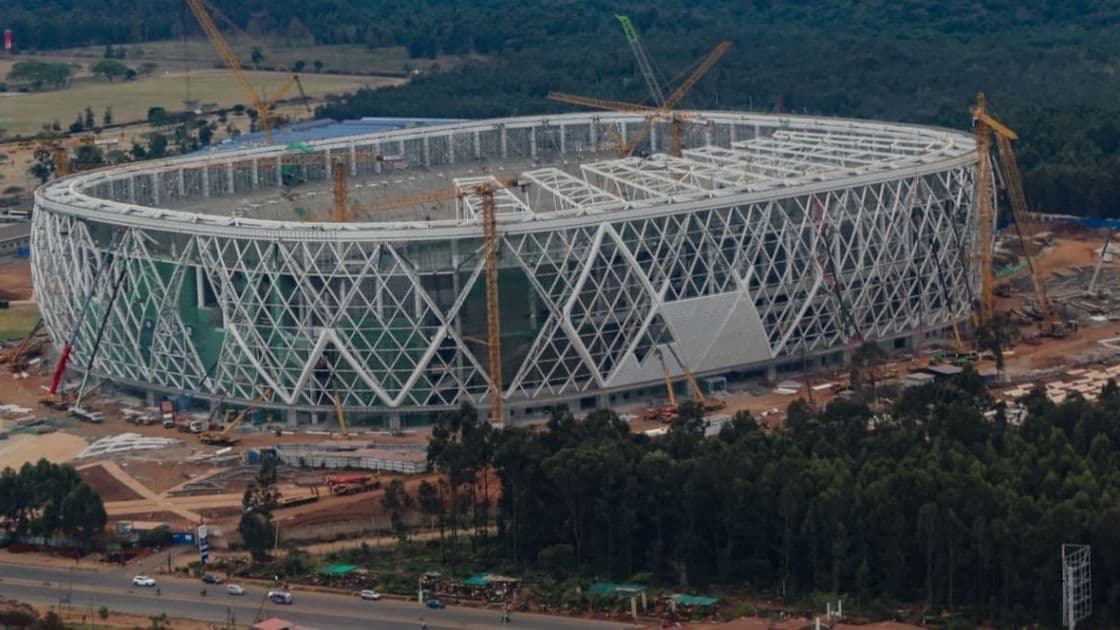
A damning report by Auditor-General Nancy Gathungu has exposed massive procurement irregularities and a terrifying Sh11 billion scandal threatening the completion of the 60,000-seater Talanta Stadium.
A damning report by Auditor-General Nancy Gathungu has exposed massive procurement irregularities and a terrifying Sh11 billion scandal threatening the completion of the 60,000-seater Talanta Stadium.
Kenya's ambitious dream to host the 2027 Africa Cup of Nations (AFCON) alongside Uganda and Tanzania is hanging by a precarious financial thread. The flagship infrastructure project, designed to be the crown jewel of the tournament, is currently mired in a staggering financial controversy.
This scandal matters critically because it highlights a systemic rot in the procurement and management of mega-infrastructure projects in Kenya. With national debt already suffocating the economy, the prospect of billions of taxpayer shillings hemorrhaging through poorly structured, punitive contracts is a disaster the country cannot afford.
The under-construction Talanta Stadium in Nairobi was envisioned as a state-of-the-art, 60,000-seater sporting coliseum. However, the latest audit report covering the financial year ending 2024 paints a grim picture of extreme financial negligence. The core of the Sh11 billion scandal revolves around the incredibly toxic structure of the main construction contract. The signed agreement imposes catastrophically stiff penalties on the Kenyan government for any late payments to the contractor. Given the Treasury's notorious history of delayed disbursements and liquidity crunches, this clause is essentially a ticking financial time bomb.
Auditor-General Nancy Gathungu’s report indicates that these punitive clauses raise the terrifying risk of the total project cost ballooning far beyond its original budget. The exchequer is now cornered: fail to pay on time, and the interest and penalties will consume billions of shillings without a single brick being added to the stadium. This structural vulnerability suggests either profound incompetence during the contract negotiation phase or a deliberate, malicious design intended to facilitate future rent-seeking and massive payouts to the contractors at the expense of the Kenyan public.
Kenya has a deeply troubling history with sports infrastructure. The ghosts of the unfulfilled "five world-class stadiums" promised in previous election cycles continue to haunt the national psyche. The Talanta Stadium was supposed to break this curse. However, the revelation of this Sh11 billion exposure mirrors the exact mismanagement that has left numerous county and national stadiums rotting as unfinished concrete skeletons across the republic. The lack of proper land ownership documents, title deeds, and clear lease agreements further complicates the viability of these massive public investments, as highlighted in related audits involving over Sh20 billion in public university lands.
The Ministry of Sports is currently in a state of panic. Recently, parliament rejected a bid by the Ministry to increase the AFCON hosting rights budget from Sh3.5 billion to Sh7.5 billion, signaling that the legislature is losing patience with the financial black holes associated with the tournament. With co-hosts Uganda and Tanzania having already paid their dues to CAF, Kenya looks increasingly disorganized and financially unreliable.
The Talanta Stadium scandal exposes the urgent need for a radical overhaul of how the state procures mega-projects. The government must establish an independent, highly specialized contract review board to vet all international construction agreements before a single signature is committed. Relying on standard ministerial procurement committees has consistently resulted in the state entering into lopsided agreements that heavily favor foreign contractors and local tenderpreneurs.
Furthermore, anti-corruption agencies must actively investigate the officials who approved the specific penalty clauses in the Talanta contract to determine if there was criminal collusion.
The clock to 2027 is ticking relentlessly. "We are not just building a stadium; we are constructing a monument to our financial integrity, and right now, the foundation is dangerously cracked."
Keep the conversation in one place—threads here stay linked to the story and in the forums.
Sign in to start a discussion
Start a conversation about this story and keep it linked here.
Other hot threads
E-sports and Gaming Community in Kenya
Active 9 months ago
The Role of Technology in Modern Agriculture (AgriTech)
Active 9 months ago
Popular Recreational Activities Across Counties
Active 9 months ago
Investing in Youth Sports Development Programs
Active 9 months ago



